-

What are the key points for growing Alocasia (Elephant Ear)? A must-read for beginners
Stem: The stem tissue of Alocasia is relatively loose. If the water quality is poor, it is easily contaminated, causing root rot and stem rot. Therefore, the water in the container must be kept clean. At the same time, when changing the water and the culture solution, wash the mucus off the tubers and roots, and cut away any rotten roots. Temperature: Alocasia is a very common green houseplant
-
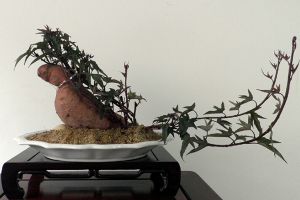
Grow a taro in water for 3 months and it becomes a big potted plant, comparable to a giant elephant ear.
Do you feel really envious every day when you see everyone showing off their potted plants on social media? Haha, before Huahua got into the flower-growing rabbit hole, I felt that way too, but ever since I started growing plants, seeing the plants I grow not only grow strong but also bloom so beautifully, I just can't resist showing them off on social media!
-
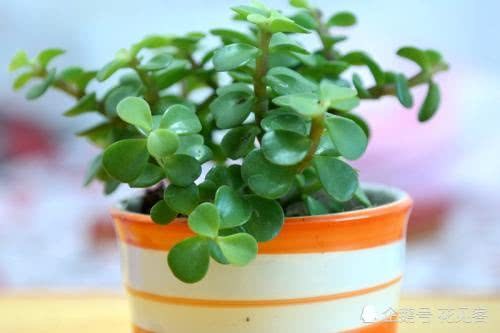
Master bud-pinching and pruning techniques for the elephant bush (Portulacaria afra), and it will grow like crazy into a big old trunk in half a year
The elephant bush (Portulacaria afra) has high ornamental value and has become very popular among many flower lovers in recent years. Its stems and leaves are succulent, and the plant is lush and quaint. Because its sprouting ability is especially strong, it can be shaped into whatever form you like. But to make it become a big old trunk in half a year...
-

How to slim down elephant legs after years? 10 minutes a day, leg circumference shrinks by 3cm
Because of sitting for long hours in front of the computer, many girls have become the type who look like 90 jin from the face but 110 jin from the legs. The editor also once tried going to the gym, but the trainer clearly told the editor: "Working out is all full-body exercise...
-
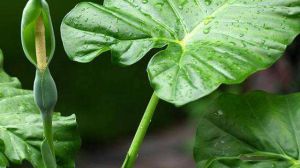
Is the Elephant Ear (Alocasia macrorrhizos) poisonous? A complete guide to its toxicity
The Elephant Ear belongs to the Araceae family, and all plants in this family are toxic, and it is no exception. The toxicity mainly comes from the sap of the plant. In normal care and viewing there is no need to worry; as long as it is not eaten, there is no problem. However, if there are children or pets at home, they must be supervised, and if you have wounds on your hands, avoid contact with its sap.
-
How to Grow and Care for Elephant Ear (Alocasia) as a Houseplant, and Precautions
Elephant Ear (Alocasia) is a common indoor plant, a perennial herbaceous plant with fairly thick stems, and it has a noticeable effect on removing dust. However, when growing it we should pay attention to its toxicity, and special care is needed if there are children at home.
-
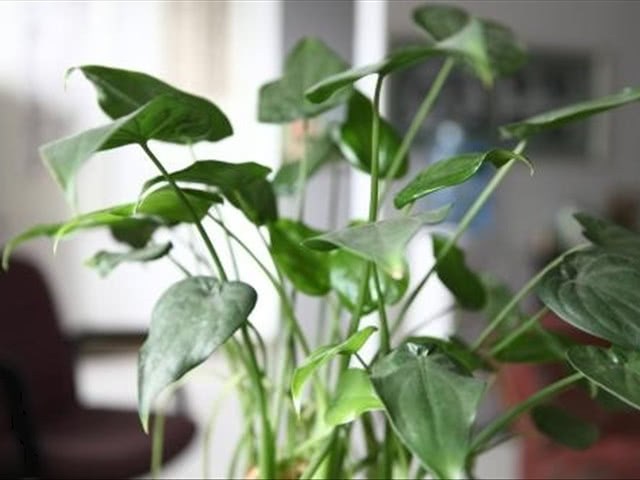
How do you solve root rot when caring for elephant's ear (Alocasia macrorrhizos)?
Original title: When root rot occurs while caring for elephant's ear, how should we solve it! Summary: If we want a Nordic style in our home, we will grow some foliage plants at home, I...
-
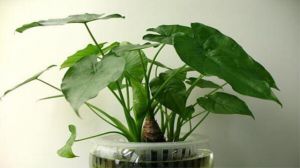
Can Water-Grown Elephant Ear (Alocasia) Be Kept Together with Fish?
Fish cannot be kept in the container of a water-grown Elephant Ear. This is because its roots, stems, and leaves contain toxic sap, and if it gets injured and this sap flows into the water, it will poison the small fish. More importantly, the water it drips is also toxic and can easily fall into the water, poisoning the small fish.
-
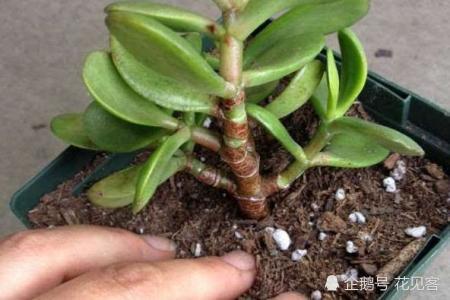
Take a cutting from a Portulacaria afra (elephant bush) and it will grow on its own; with this care routine it becomes a large old trunk in one year
Portulacaria afra (elephant bush) is a houseplant loved by many flower lovers, with fleshy stems in purplish-brown or light brown, and round, emerald-green leaves of a certain thickness; it easily develops into an old trunk and has very high ornamental value. Many people see the golden-branch...
-
条件筛选