How do you solve root rot when caring for elephant's ear (Alocasia macrorrhizos)?
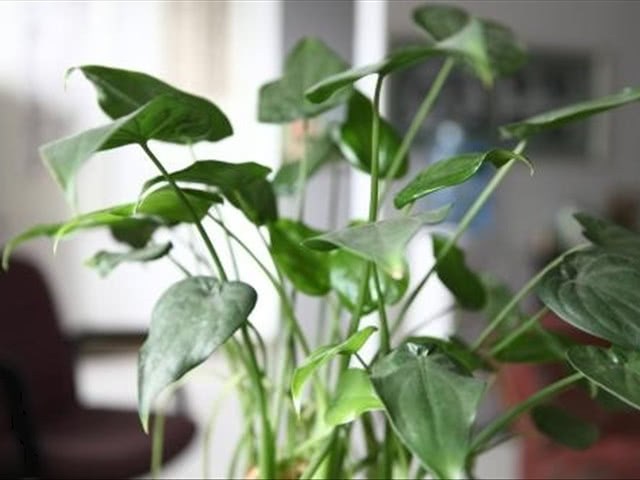
Original title: When root rot occurs while caring for elephant's ear, how should we solve it!
Summary: If we want a Nordic style in our home, we will grow some foliage plants at home, and when we grow foliage plants, root rot always happens, so how should we solve it so that it can grow better? After all, when we grow foliage plants, we are admiring their leaves.
Root rot is common in summer
So when elephant's ear develops root rot, how should we solve it? In fact, elephant's ear is very prone to root rot in summer, because in summer the weather is relatively hot, and when we water in summer we do not pay attention, generally watering it at noon; watering it at noon when the weather is very hot easily burns its root system, and watering too much can also cause its root rot.
The potting soil is too moist
When we water it, especially in summer, we need to choose the right time; for example, watering it in the morning and evening is very good, and we must not water too much, because watering too much easily causes its root rot. In fact, the root rot of elephant's ear is all caused by the potting soil being too moist. Although it likes a moist environment, if we make its potting soil too wet, it may cause its root rot, and at this time we can solve it like this.
Pruning and wearing gloves
For elephant's ear root rot, we can pull up the whole plant. When we pull up the whole plant, it is best not to damage its root system, because damaging its root system easily makes its future growth very unfavorable. Moreover, when we prune away its rotten roots, we need to wear a pair of gloves, because we all know that its sap is toxic, so wearing gloves is also to protect us.
After pruning
We prune away all those rotten roots or rotten parts to prevent them from infecting the other roots. After pruning it, we need to let those good roots dry, and wait until its wounds heal before replanting it into the potting soil. The potting soil we use to plant it must be somewhat moist, but we must not make it excessively wet. For the soil we use to plant it, we can choose some sandy soil.
Soil
When we choose the soil, we must choose loose and fertile soil. After we replant it, we do not need to water it; we wait until it recovers for a period of time, then water it. Moreover, in future care we should pay attention to its watering, and keep to not watering when it is not dry, and place it in a ventilated place with scattered light.
Observing root rot
If you do not know now whether your elephant's ear has root rot, you can look at its leaves. If its leaves are in a withered and yellowing state, and when you water it, it is still in a state of not absorbing water, then it may have developed root rot. If root rot has occurred, we need to solve it promptly; if we do not solve it, it may cause the whole plant to die.
Conclusion: Are you still troubled now by root rot in your elephant's ear? In fact, we only need to prune away those rotting roots, and wear gloves when pruning, and that is enough. When elephant's ear develops root rot, solving it this way can let it grow better.