-

Can Phalaenopsis orchids be disinfected with potassium permanganate? There are rules about how much to trim the roots
Visiting flower markets in different regions, the common point of most shops is that they all stock this darling, the "Phalaenopsis orchid." At the same time, the variety of styles to choose from is beyond imagination, from mini types to large flowers, there is everything you could want, and they are extremely lively and graceful. However, to protect their beautiful appearance, there are many secrets to pay attention to in terms of care. Recently
-

How Soon After Fungicide Soaking Can a Phalaenopsis Be Grown Well? Remember the Disinfection Precautions
Caring for a Phalaenopsis orchid is no easy task, especially when dealing with its root problems, such as the timing of care after a fungicide soak and the precautions during disinfection, which require extra care and attention. After a fungicide soak, a Phalaenopsis needs a certain recovery period. The length of this period mainly depends on the method of soaking, the
-

How to disinfect and care for Phalaenopsis roots after pruning?
Caring for Phalaenopsis orchids is not easy, especially when it comes to disinfection and root care after pruning, where a single misstep can affect the plant's health. Below we introduce the disinfection methods and root care tips for Phalaenopsis after pruning, to help orchid lovers better care for their beloved Phalaenopsis. Disinfection methods for Phalaenopsis after pruning: Pruning the roots:
-
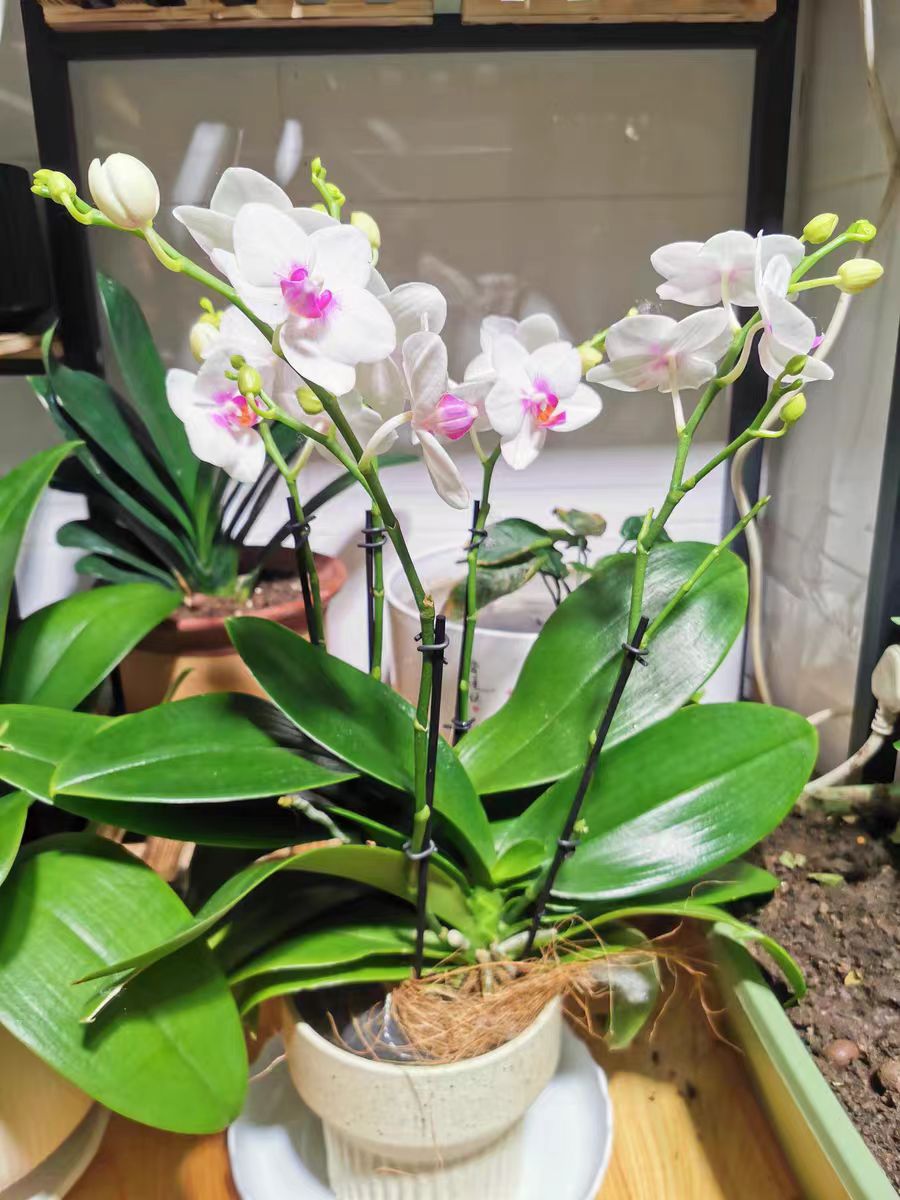
How to Disinfect Phalaenopsis Roots after Pruning?
Caring for Phalaenopsis is not an easy task, especially when it comes to disinfection and root care after pruning. A slight oversight can affect the health of
-

Can Yellowed Sphagnum Moss Still Be Used for Phalaenopsis? Learn the Correct Disinfection Method
For friends who love growing Phalaenopsis, sphagnum moss is a common growing medium, and its condition directly affects the growth of the Phalaenopsis. So, when the sphagnum moss is found to have turned yellow, can it still be used? And how should the sphagnum moss be disinfected? When the sphagnum moss used for growing Phalaenopsis turns yellow, it may be due to rot caused by excessive moisture.
-

How do you disinfect a flower greenhouse? Master these key points
Key points for disinfecting flower greenhouses
-
Preparation and use methods of chemical disinfectants commonly used in edible mushroom production
Preparation and use of chemical disinfectants commonly used in edible mushroom production
-

What medicine works well for disinfecting flower roots?
What should be used to disinfect flower roots?
-
Detailed Explanation of Disinfection Methods for Pig Farms: Physical, Chemical and Biological Disinfection and Precautions
Disinfection of pig farms is a very important part of pig farming work, so how do you disinfect a pig farm? There are three relatively common disinfection methods, namely physical disinfection, chemical disinfection and biological disinfection. 1. Chemical disinfection method uses acids, alkalis and formalin
-
Key Technical Points for Cooling Pigs and Disinfecting Pig Farms in Hot Seasons
In summer heat, bacteria also breed easily, and for pig farmers at large, doing a good job of disinfection and cooling is very important. So how do you cool pigs in summer? What disinfection techniques are there for pig farms? 1. Among livestock, pigs have the poorest body temperature regulation ability; when the air temperature rises to 30-32°C, a pig's rectal temperature begins to rise. When the air temperature rises to 35°C with relative humidity above 65%, if it lasts for an extended period, pigs cannot tolerate it. When rectal temperature rises to 40°C, it is already close to the dangerous limit. Because pigs have thick subcutaneous fat and extremely underdeveloped sweat glands, a large amount of body heat cannot be dissipated. When the air temperature rises close to body temperature, the pig's body cannot adapt, the cardiovascular system is overloaded, and failure and coma may even occur, ultimately leading to death from extreme heat; in addition, high temperatures cause disorders in the body's metabolic processes and endocrine function, producing a series of adverse reactions: poor appetite, a sharp drop in feed intake, leading to insufficient nutrient intake, a sharp decline in the pig's physical condition, stopped weight gain or weight loss, thereby affecting production efficiency. To safely get through the hot season and ensure normal pig production, several simple methods for cooling pigs are introduced below, suitable for small-scale farms.
条件筛选