-
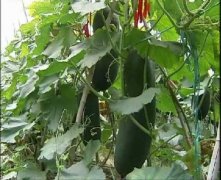
Winter Melon Growing Techniques and Management: Fertilization Methods and Disinfection of Land Used for Winter Melon for Many Years
Do you know the growing techniques and management techniques for winter melon? If you want to grow winter melon yourself, take a look at the introduction below. When planting things in land that has grown winter melon for many years, it needs to be disinfected, so how should it be disinfected? 1. Cultivation period: the cultivation periods for each region of this province are as follows
-

Do you need to wear a mask and disinfect farm machinery and tools when doing farm work during the pandemic?
It is now the official time for spring plowing, and in rural areas there are many farming activities that need to be done now, but affected by the novel coronavirus pneumonia, everyone has to wear a mask when going out. Do you need to wear a mask when doing farm work in rural areas? Do farm machinery and tools need to be disinfected? 1. Wearing a mask when doing farm work in rural areas
-
Key Points for Disinfection and Weed Control in Cotton Seedling Raising
Recently, a farmer from Shuqiao Village, Wuluo Town, Yunmeng County, Hubei Province, called to ask about pesticide use on cotton. Here, in response to two issues farmers care about in cotton seedling raising, I will discuss the precautions for pesticide application for prevention and control. First, does the seedbed soil still need to be disinfected when raising seedlings from coated cotton seed?
-
Traditional Methods for Preventing Water Leaks in New Fish Ponds and Disinfection Precautions
Abstract The most traditional methods for preventing water leaks in new fish ponds: the bottom of the pond can be fully compacted by mechanical rolling, or yellow clay can be evenly smeared on the bottom of the pond, and after it dries naturally, water can be added. What to use for disinfection in a new fish pond: new fish ponds can be disinfected with bleaching powder, Qingtangling
-
The most important thing in river shrimp farming is water quality; timely aeration and active disinfection are needed
Abstract Choose a place with abundant and clear water sources to build a pond, with an area of 3 mu as suitable, water depth controlled at about 1.2-1.5m, plant an appropriate amount of aquatic plants around the pond to provide shade and habitat for river shrimp, install anti-escape facilities at the pond's inlet and outlet, and carry out disinfection and fertilization work on the pond before releasing the seedlings
-
When is the best time to disinfect a pigpen? Master the correct disinfection timing
Abstract In summer it is generally around 12 noon, while in winter it is generally before 6 a.m. and after 6 p.m. A pigpen should be disinfected at least once a week. If the pigpen is too large in scale, disinfection can also be carried out in batches, so that cleaning can be done more carefully, especially
-
How can small-scale backyard pig farmers do a good job of disinfection?
How can backyard farmers properly disinfect the farm site and pig pens? (1) After culling diseased pigs and pigs in the same group, the site must be cleaned and disinfected. (2) Before cleaning and disinfecting, protective clothing must be put on. (3) The manure in the pig pens should be completely removed, and pig manure scattered in the yard should be collected and treated by sealed pile fermentation or incineration. (4) When clearing piled poultry manure, water should be sprinkled on it, and manure dust must not be raised. (5) Thoroughly disinfect the site and poultry houses with disinfectants, and used personal protective items such as gloves, plastic bags and masks should be centrally destroyed. (6) Reusable items must be washed twice with detergent to ensure they are clean. (7) Soak the clothes worn during culling in hot water above 70°C for more than 10 minutes, then wash them with soapy water and dry them in the sun. (8) After handling contaminated materials, wash hands and take a shower. The highly pathogenic porcine reproductive and respiratory syndrome virus has poor survival ability in the external environment. As long as disinfection measures are appropriate, commonly used disinfectants in pig production practice, such as aldehydes, chlorine-containing disinfectants, phenols, oxidants, alkalis, etc., can all kill the virus in the environment. Using the following disinfectants for the farm and housing environment gives relatively good disinfection results: (1) Aldehyde disinfectants: including formaldehyde, paraformaldehyde, etc., among which fumigation disinfection with formaldehyde is the most commonly used. For enclosed pens, fumigation disinfection can be carried out by adding 7-21 grams of potassium permanganate per cubic meter and 14-42 milliliters of formalin. During fumigation disinfection, the room temperature generally should not be lower than 15°C, and the relative humidity should be 60%-80%. Potassium permanganate can first be added to the container, then formalin added. Close doors and windows for more than 7 hours to achieve the disinfection purpose, then open doors and windows for ventilation to eliminate residual odor. (2) Chlorine-containing disinfectants: including inorganic chlorine-containing disinfectants and organic chlorine-containing disinfectants. The disinfection effect depends on the content of available chlorine; the higher the content, the stronger the disinfection ability. A 5% bleaching powder solution can be used to spray animal pens, cages, feed troughs and vehicles for disinfection. (3) Alkaline preparations: mainly sodium hydroxide and quicklime, etc. Most sodium hydroxide preparations used for disinfection are crude alkali liquor containing 94% sodium hydroxide. When used, they are often heated and prepared into a 1%-2% aqueous solution, used for disinfection of poultry house floors, walls, exercise yards and contaminated materials polluted by the virus, and also used for disinfection of floors in slaughterhouses, food factories and transport vehicles and vessels. After spraying for 6-12 hours, rinse clean with clear water.
-
Cattle Farm Disease Prevention Methods and Practical Tips
1. Establish a disinfection system. Outsiders are not allowed to visit the farm. Disinfection pools at the gate of the beef cattle farm and at the entrance of each area must always contain a high-concentration disinfectant solution, which must be replaced frequently. Staff entering the production area must change their clothes, hats, and shoes, and may only enter
-
What exactly are the disinfection measures for golden apple snails?
The golden apple snail is a mollusk of the genus Pomacea in the family Ampullariidae. Its appearance is extremely similar to that of the field snail, and it has a large body, a wide diet, strong adaptability, fast growth and reproduction, and high yield. In artificial breeding of golden apple snails, great attention must be paid to daily disinfectants for golden apple snails, so how should disinfection of golden apple snails be carried out?
-
How to disinfect a sheep farm? Detailed explanation of disinfection measures for each step
The purpose of disinfecting a sheep farm is to eliminate pathogenic microorganisms spread by the source of infection into the external environment, cut off the route of transmission, and stop the disease from continuing to spread. A sheep farm should establish a practical disinfection system and regularly disinfect the ground soil, manure, sewage, skin and hair of the sheep shed, etc.
条件筛选