-

How to manage cotton during the flowering and boll-setting stage? Apply flowering and boll fertilizer heavily, use chemical regulation and pruning to prevent premature senescence
The flowering and boll-setting stage of cotton is the peak period of fertilizer and water demand and the critical period for yield formation. This article introduces the topdressing rate of flowering and boll fertilizer, the standards for irrigation and drainage, the dosage of mepiquat chloride for chemical regulation, the timing of pruning and topping, and pest and disease control techniques, to help cotton growers set more bolls and prevent premature senescence and boll rot.
-
How to Grow Kyoho Grapes: Key Points for Orchard Establishment, Pruning, and Flower and Fruit Management
How do you grow Kyoho grapes for high yield and good quality? This article shares practical cultivation techniques for Kyoho grapes, including orchard site selection, pruning and pinching, flower and fruit management, water and fertilizer regulation, and pest and disease control, for fruit growers' reference.
-
How to Plant and Care for Red Roses? A Detailed Guide to Flowering Season Management
How do you plant red roses? This article covers soil, light, water and fertilizer, pruning, and pest and disease control techniques for red roses, helping you easily grow red roses with abundant blooms and vivid color.
-
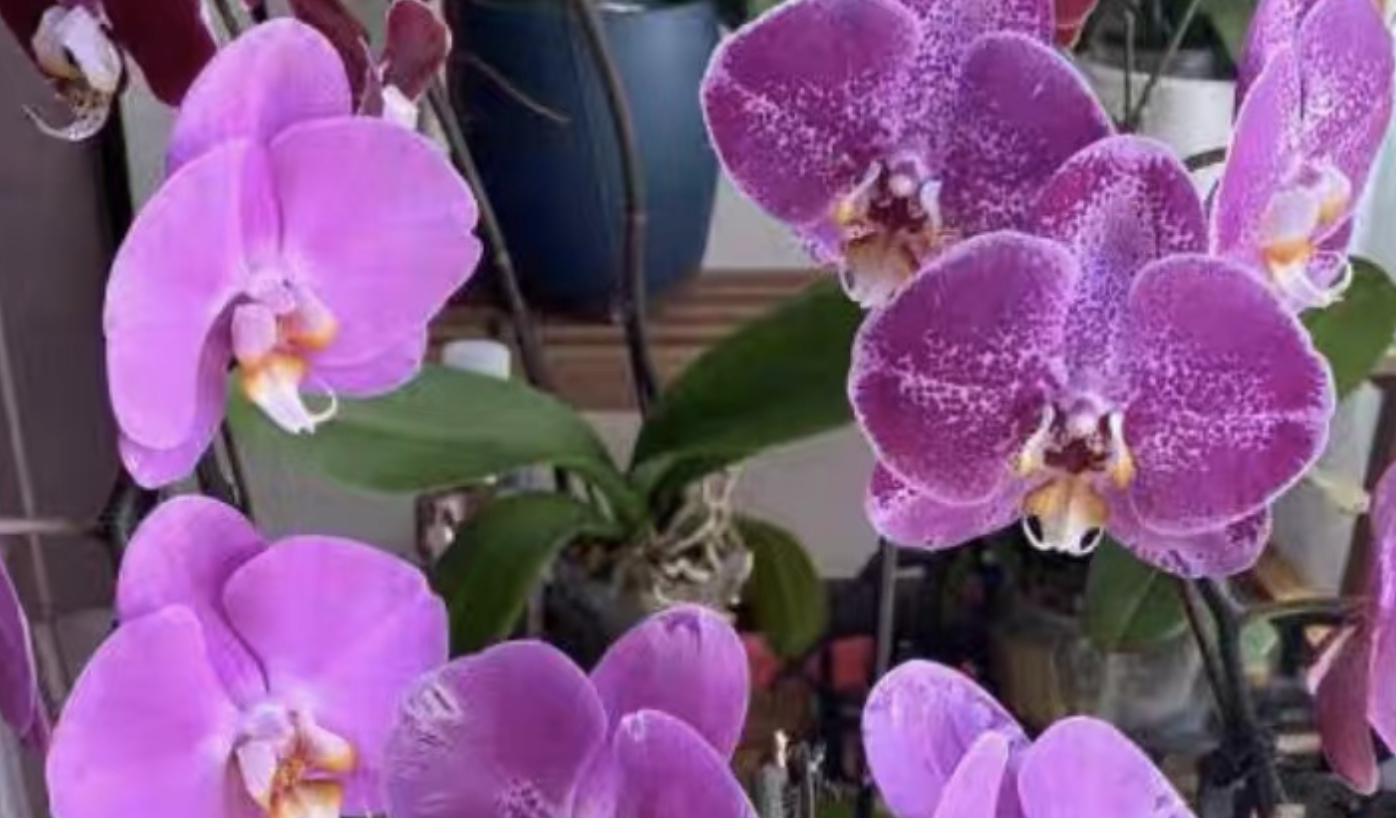
How should flowers be cared for after the beginning of autumn? Which plants require pruning to encourage blooming?
In Guangdong, even though autumn has officially begun, daytime temperatures can still reach around 32°C. For Phalaenopsis orchids, care should still follow
-
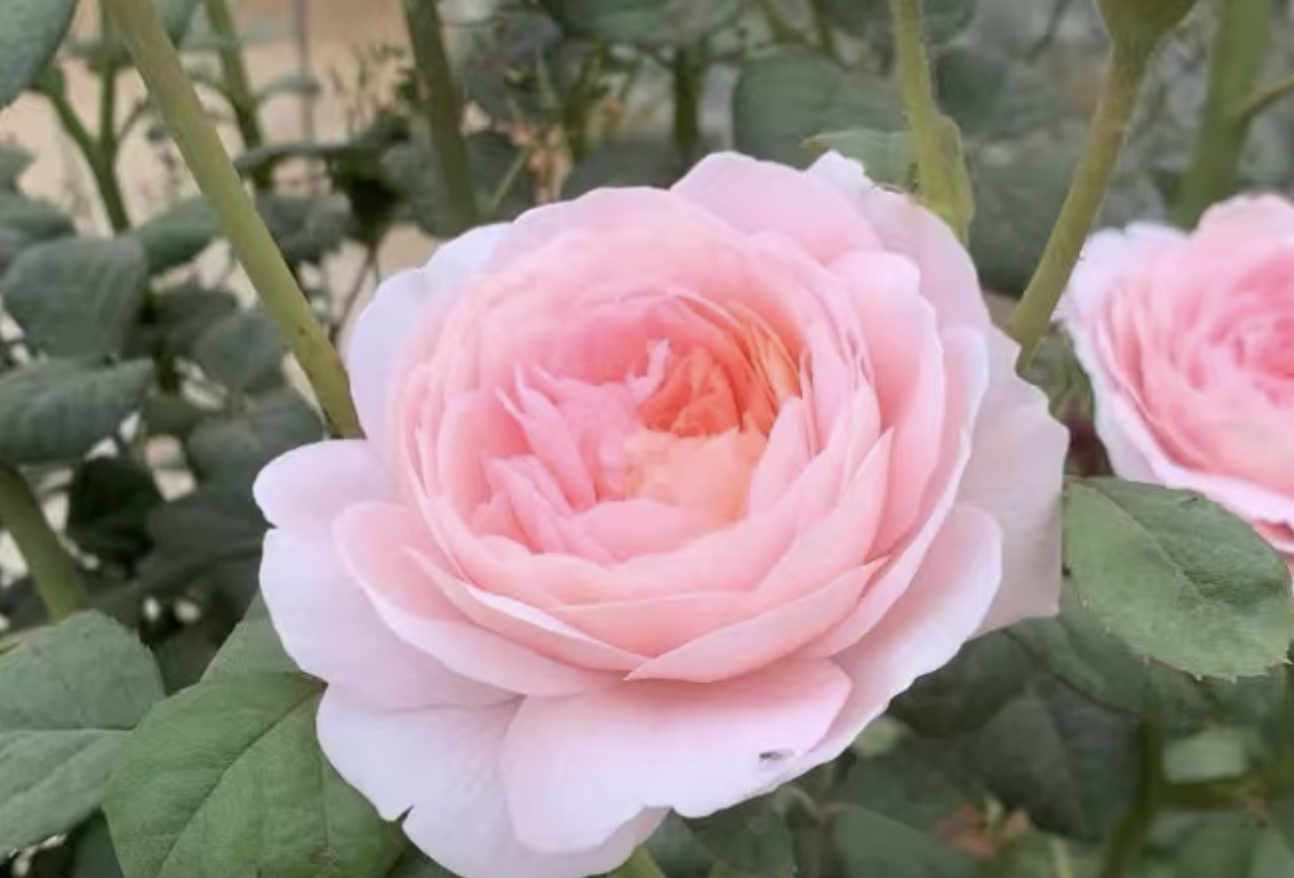
How should flowers be cared for after the beginning of autumn? Which plants require pruning of branches and leaves to encourage blooming?
As autumn arrives and temperatures drop compared to the heat of June and July, it’s the perfect time to give your plants a “haircut.” Proper pruning at this
-

How long after pruning a Phalaenopsis orchid will it grow new branches, and how should it be watered?
A friend asked: after helping prune the flower spikes of the Phalaenopsis orchid at home last week, they couldn't help but feel a bit worried: can this bare plant still survive? When will new buds emerge? How should watering be controlled? How long after pruning until new branches grow? There is no standard answer to this; it depends on your Phalaenopsis orchid's "constitution" and care environment. Generally speaking, a healthy
-

Do Phalaenopsis orchid leaves need regular pruning, and when is the best time to prune?
In the morning, squatting on the balcony watering the flowers, you look down and see that pot of Phalaenopsis orchid with several leaves crowded together, one of them with a tip as yellow as scorched paper and slightly curled edges - doesn't this scene feel so familiar? Many friends who grow Phalaenopsis orchids ask: "Do the leaves need to be pruned regularly?" "Will it die if I prune wrong?" Phalaenopsis orchid leaves
-

What kind of Phalaenopsis roots need pruning? Learn to tell when it's time to trim roots
Growers of Phalaenopsis orchids have surely noticed its plump roots, some translucent like jade, others wrinkled and blackened; in fact, the state of these roots hides quite a few little secrets. Today let's talk about what kind of roots should be cut, and how to judge whether it's time to act - you'll understand at a glance. Which roots absolutely must be "snip"-ed off? The most obvious are
-
How to prune tomatoes correctly? A detailed guide to pruning methods
It's that time of year again when tomatoes grow like crazy, and if you want a high yield from your own tomatoes, pruning is so important! Today I'll explain tomato pruning techniques in detail. Distinguish the varieties. Tomatoes are divided into determinate types (limited growth) and indeterminate types (unlimited growth). Determinate types do not need staking before they grow into bushes, and they can grow normally with little pruning.
-

What season is best for pruning plants, and is a long or short growing period better?
In the blink of an eye, half a year has passed. As we step into the second half of the year, the weather is starting to get hotter and hotter, and many plants that mainly bloom in summer have now entered their vigorous growth period. If you don't promptly give the flowers a "crew cut" after blooming at this time, the plant may disperse its nutrients, causing the branches and leaves to grow excessively and the number of blooms to drop sharply. Four-season osmanthus (Osmanthus fragrans) can be considered
条件筛选