-

A detailed introduction to the latest planting methods for Cissus sicyoides
Cissus sicyoides is also known as creeping fig, pearl-curtain vine, "A Dream of Curtains" and so on. It is a perennial evergreen climbing herbaceous vine of the genus Cissus in the grape family, and can grow slender reddish-brown aerial roots from the nodes. Newly grown aerial roots are red, and after a period of time turn yellow-green, so
-
The Latest Planting Techniques and Method Tutorial for Creeping Fig
Creeping Fig, also known as wild ground melon, ground melon vine, ground pomegranate, etc., is an evergreen woody vine of the genus Ficus in the mulberry family, with medicinal and landscaping value; its fruit ripens in June and July each year, and there are two varieties - one with sweet, delicious fruit that can be eaten, and another with no frag
-
How much is creeping fig fruit (jelly fig) per jin? Introduction to its ripening months and main producing areas
The creeping fig fruit is also known by the names jelly fig seed (common name), bichengxia, wood lotus, jelly fig, ice jelly seed, ghost steamed bun, wood steamed bun, etc. So how much is creeping fig fruit per jin? Which month can it be picked? Where are the main producing areas? The details are organized as follows: How much is creeping fig fruit per jin According to A
-
A detailed guide to creeping fig (Ficus pumila) planting techniques, teaching you how to grow it step by step
Many people like eating loquat, right? Everyone knows how to pick good loquat, how to handle loquat, the clever uses and medical benefits and effects of loquat, and so on. But do you know how to grow loquat? It is not simply a matter of burying the seedling in the soil and watering it; it has a certain
-

Detailed Explanation of the Cultivation Techniques and Management Methods of Creeping Fig
Cultivation Techniques of Creeping Fig
-
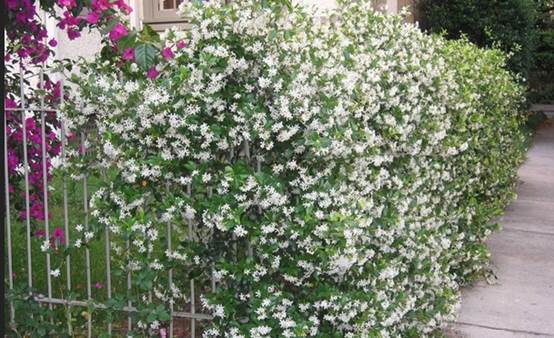
Star jasmine is more worth planting than creeping fig; in just a few years it can grow into a wall of flowers
Star jasmine is native to the subtropical regions of southern China and northern Southeast Asia, and it is widely cultivated and associated with the southern United States, which is why it is called "star jasmine." Its glossy dark green leaves are mostly evergreen, but in non...
条件筛选