-

Comprehensive Prevention and Control Methods and Techniques for Common Rhododendron Diseases
The main diseases of rhododendrons include root rot, brown spot, black spot, leaf blight, and iron deficiency chlorosis. After a rhododendron contracts root rot, its growth weakens, the leaves wilt and dry up, and water-soaked brown patches appear on the root surface; in severe cases soft rot develops, with gradual decay and peeling of the bark, and the xylem turns black. This disease occurs most easily under conditions of high temperature and high humidity. The control method is to strictly disinfect the potting soil before repotting, and to keep the soil loose and moist with good permeability, avoiding waterlogging. If an affected plant is found, promptly deal with the diseased plant and the potting soil. For treatment
-
What are the morphological characteristics of the Chinese honey locust? A comprehensive guide in one article
Deciduous tree, up to 15-30 m tall, trunk bark grayish-black, shallowly longitudinally fissured, trunk and branches often bearing thorns, thorns conical and mostly branched, thick and stiffly straight, branchlets grayish-green, lenticels prominent, winter buds often superimposed, once even-pinnately compound leaves, with 3-7 pairs of alternate leaflets, leaflets oblong-ovate, apex obtuse-rounded, base rounded, slightly oblique, thin leathery, margins finely toothed, both sides of the midrib on the underside and the petiole covered with white short pubescence, polygamous flowers, axillary, racemes, pedicels densely tomentose, calyx bell-shaped and tomentose, flowers yellow-white,
-
What are the values and uses of the Chinese honey locust? A comprehensive analysis
The Chinese honey locust has a broad crown and dense shade, and a relatively long lifespan, making it very suitable as a shade tree and a greening tree for roadsides and surrounding areas. In addition, the fruit of the Chinese honey locust is rich in saponin, so its decoction can be used as a substitute for soap; the seeds can be pressed for oil, which can be used as a lubricant and for making soap, and medicinally it has the effects of treating ringworm and relieving constipation; both the thorns and the pods can be used medicinally; boiling the leaves and pods in water can also kill red spiders. The wood of the Chinese honey locust is hard, rot-resistant and wear-resistant, but it cracks easily, and freshly cut wood has a very strong odor, so it can only be used for furniture, columns and piles in construction, and handles and grips on implements.
-
A comprehensive guide to rhododendron leaf spot disease
Round lesions, or irregular polygonal lesions, dark brown, 1mm-5mm in diameter. In the later stage, the central tissue of the lesions turns grayish white. When the disease is severe, the lesions merge with each other, causing the leaves to turn yellow and drop early. Under moist environmental conditions, many small brown mold spots grow on the underside of the leaf spots, namely the conidia and conidiophores of the pathogenic fungus. Pathogen and current disease situation: it is Cercospora rhododendri Fer., Deuteromycotina, Hyphomycetes
-
Detailed Explanation of the Harm Caused by Duck Influenza and Comprehensive Prevention and Control Methods
Duck influenza is a highly lethal infectious disease caused by type A influenza virus that can infect ducks of all breeds and all ages, and it is currently the most serious disease harming the duck farming industry. 1. Epidemiological characteristics People used to generally believe that waterfowl were only carriers of influenza virus and did not become ill. However, since the mid-1990s, the fact that ducks infected with highly pathogenic influenza virus became ill and died broke the traditional understanding of duck influenza. Ducks are not only highly susceptible to influenza, but can also horizontally transmit it to terrestrial poultry and become a source of infection for their influenza. This is a trend that should be taken very seriously at present.
-
Intercropping melons and peppers in cotton fields yields high comprehensive benefits
Xinchang Town in Shishou City, Hubei Province, located in the middle reaches of the Yangtze River, is a major cotton-producing area, with 23,250 mu of cotton planted year-round. In recent years, the town has actively optimized its planting structure, explored and applied the model of intercropping melons (or peppers) in cotton fields, achieving multiple harvests per year and multiple income sources from one field, improving the overall benefits of cotton fields, and blazing a successful trail in planting structure adjustment. In the past, the town planted cotton alone, generally producing 87 kg of lint cotton per mu, with an output value of 940 yuan. According to a 2002 survey, however, the town's cotton-melon (pepper) intercropping model produced output values of 315
-
Comprehensive Analysis of Key Points of Garlic Sowing Techniques
Garlic is an essential seasoning in daily life. In recent years, garlic has become a worldwide vegetable, and its price is relatively high. Now the garlic sowing season has arrived again. The following is a brief introduction to garlic sowing techniques for the reference of farmer friends. 1. Select good varieties. At present, the varieties planted more in our county mainly include Songcheng garlic, Songcheng white garlic and Cangshan garlic, etc. Songcheng white garlic is the preferred variety for export, and Cangshan garlic belongs to a mid-to-late maturing variety used for both scapes and bulbs. Select garlic seeds with medium size, few cloves, no mildew and no insect damage
-
Impatiens variety introduction, a comprehensive guide in one article
1. Top-headed impatiens, also known as cut-top impatiens. It is a variety of Impatiens balsamina. Flowers are terminal on the main stem or branch tips. Flowers are large and double. Branches spread out, forming a bushy plant. 2. Dwarf impatiens is a variety of Impatiens balsamina. The plant is relatively short, with a height of 20-30 cm. 3. Dragon-claw impatiens is a variety of Impatiens balsamina. The side branches are winding and extend horizontally. 4. Impatiens walleriana, also known as glass emerald. It is a common species in the same genus. A perennial herbaceous plant, mostly grown as an annual or biennial. Plant height 20-30 cm. Stems are semi-transparent, fleshy, thick, and much branched. Leaves are ovate
-
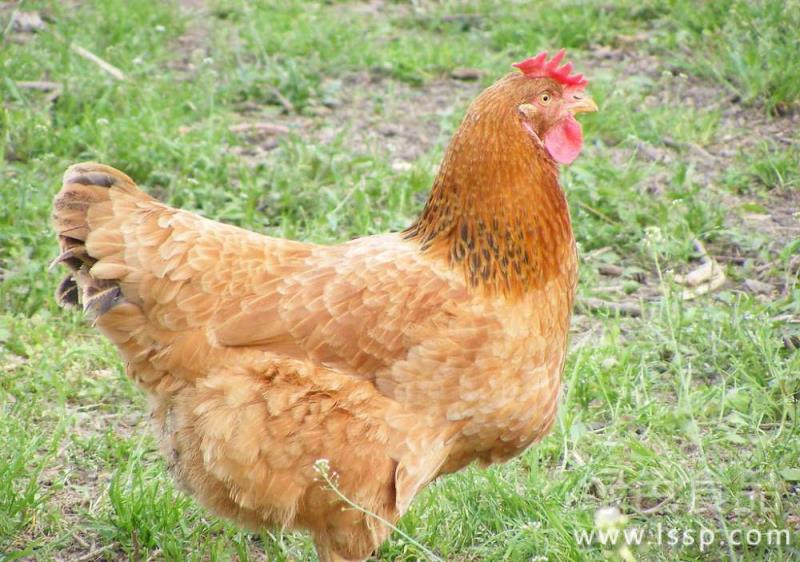
Chicken proventriculitis has many complications and a high mortality rate. How can it be comprehensively prevented and treated?
Proventriculitis has many complications and causes high mortality. Comprehensive prevention and treatment methods for chicken proventriculitis.
-
What is chronic hepatitis in dogs? A comprehensive guide in one article
It is mostly caused by the transformation of acute hepatitis or other pathogenic factors. It can be divided into chronic persistent hepatitis and chronic active hepatitis. Clinical symptoms include loss of appetite, weight loss and mild jaundice. Treatment is based on the principles of suppressing inflammation and protecting the liver. [Prescription 1] 10% sodium dehydrocholate injection 2-5ml. Usage: intravenous drip once. Once every other day, for 4-6 consecutive times. Note: used for persistent hepatitis. [Prescription 2] (1) 5% glucose
条件筛选