-

What is snake venom poisoning in dogs? A detailed explanation of common poisoning conditions in dogs
[Etiology] Snake venom poisoning refers to a poisoning phenomenon that occurs after being bitten by a snake. There are many species of venomous snakes, with 47 species in our country, among which the more harmful ones include the banded krait, many-banded krait, cobra, king cobra (large cobra), five-paced pit viper, mamushi, viper, turtle-shell flower snake, green bamboo pit viper and sea snake. Among these venomous snakes, except for the sea snake, which is mainly distributed in coastal areas, most are distributed in the provinces and regions south of the Yangtze River, while north of the Yangtze River there are only a few species such as the mamushi, viper and turtle-shell flower snake. The occurrence of snake venom poisoning
-
What Dental Diseases Do Dogs Get? A Full Breakdown of Common Types
The most common dental diseases in dogs are gum disease and broken teeth. Periodontal disease is not only harmful to the teeth, but also affects the bone and soft tissue around them, ultimately causing tooth loss. When a dog first develops dental disease, plaque usually appears, and plaque is a breeding ground for bacteria. If plaque is not dealt with promptly, it turns into tartar, and bacteria spread through the bloodstream and can affect the health of the dog's heart, lungs, kidneys, liver and other internal organs, causing disease. There is an old Chinese saying: prevent trouble before it happens. What good ways are there to prevent dental disease in dogs? Correct
-
Detailed Explanation of Common Disease Prevention and Treatment Methods for Snakehead
1. Saprolegniasis. Prevention and treatment methods: during operations such as netting, transportation and stocking, be as careful as possible to prevent injury to the fish body; use 0.1 PPM malachite green or 0.5 PPM methylene blue for whole-pond disinfection; when fingerlings are affected, they can be dipped in 10 PPM malachite green or a 3-5% saltwater solution. 2. Enteritis. Prevention and treatment methods: mix 34 grams of furazolidone (furazolidone) into 100 kg of feed and feed twice daily for 3 consecutive days. 3. Myxosporidiosis. Pre
-
Where is forest food found and how do you get it? A roundup of common edible plants
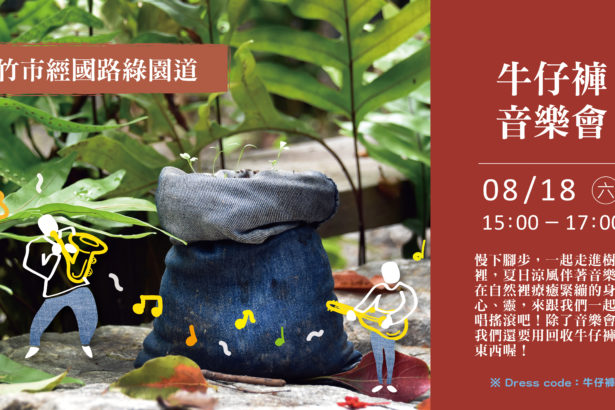
8/18 [Jeans Concert]? - Hsinchu City Food Forest Series
-
What are the common tea plant diseases in China? This one article gives you a full understanding
More than 100 tea plant diseases have been recorded, and more than 30 are common. I. Leaf diseases: nearly 40 have been recorded. Bud and leaf diseases mainly include: tea blister blight, which occurs rather severely in high-mountain tea gardens in the southwestern tea region; tea white star disease and tea round red star disease, which cause severe damage under conditions of low temperature and high humidity in high-mountain tea gardens in the provinces of East China and Southwest China; tea bud blight is one of the common important diseases in Zhejiang, Hunan and other provinces. Diseases of mature leaves and old leaves include tea cloud-pattern leaf blight, tea ring spot disease, tea anthracnose, tea brown
-
Control Methods for Common Pests and Diseases of Panax notoginseng
Panax notoginseng belongs to the genus Panax in the family Araliaceae. It is a perennial herbaceous plant and ranks second only to ginseng in the production of Chinese medicinal materials. Common pests and diseases include damping-off, anthracnose, root rot, phytophthora blight, aphids, red spider mites, and scale insects. 1. Damping-off: It occurs mostly in the high-humidity, low-temperature seasons of April to May, damaging the base of seedlings. In severe cases, seedlings die in patches. Infected seeds and seed buds turn blackish-brown and rot. After seedlings are affected, water-soaked yellowish-brown streaks appear at the base of the pseudostem (leaf petiole). As the disease progresses, these turn dark brown, and the diseased area then constricts,
-
Identification and Control Methods for Common Diseases and Pests of Panax notoginseng
(1) Damping-off, also known as "rotten foot plague." The pathogen is a type of imperfect fungus among the fungi, harming seeds, seed sprouts and seedlings. Affected seeds rot into a milky white juice-like state, affected seed sprouts turn dark brown and die; affected seedlings show a dark brown ring-shaped depression at the base of the false stem (leaf stalk); seedlings bend over and die. Control methods: ① Before sowing, disinfect the soil with carbendazim or lithospermum liquid. ② Promptly pull out diseased plants when found, spread lime powder around the diseased plants, and spray with 50% thiophanate-methyl 1000-fold solution or 50% methyl
-
What other names does the Chinese herbal medicine Banxia have? A list of common names
[Aliases] Diwen, Dixing, Shuiyu, Shoutian, Shigu, Yangyan Banxia, Hegu, Xiezi Cao, Yanzai Wei, Dizhu Banxia, Mayu Guo, Mayu Guo, Sanbu Tiao, Sanye Lao, Sanye Banxia, Fanshizi, Di Zhegu, Di Cigu, Lao Huangzui, Lao Heshang Tou, Ye Yutou, Lao Guatou, Lao Guayan, Lao Yayan, Zhuozui Douzi, Di Badou, Wuxin Cai Gen, Tianluo Xing, Mayu Zi, Mayu Gen, Dilei Gong, Lao Guasuan, Gou Yutou, Zhu Banxia, Liedao Cai, Macao Zi, Yao Gou Dan. [Trade name] Banxia. Those that are large, round in shape, white in color, clean-skinned
-
What livestock and poultry diseases can honeysuckle (Japanese honeysuckle, Lonicera japonica) and common selfheal (Prunella vulgaris) treat?
Honeysuckle and common selfheal have the functions of clearing heat and detoxifying, clearing the liver and reducing internal heat, and dispelling wind and unblocking collaterals, and they have a strong inhibitory effect on bacilli and some viruses. Used alone or in combination, they can treat a variety of livestock and poultry diseases. 1. Rabbit heatstroke: 10-15 g each of honeysuckle, common selfheal and Jinji grass, decocted in water and given orally. 2. Piglet white scour: 100 g honeysuckle added to 1000 mL water, decocted down to 500 mL, mix the liquid together with the residue into the feed and feed it to the sow. Feed once each morning and evening, for 2 consecutive days; the cure rate reaches over 98%. 3. Pig eye opacity: affected pig's eye
-
Cotton-lily intercropping: a commonly used cotton field intercropping and relay cropping pattern
Cotton-lily intercropping is a cotton field intercropping pattern widely used in dryland sandy loam areas along the coast and along rivers. The two crops have little mutual influence and are mutually beneficial in fertilizer use, but note that lilies cannot be continuously cropped and must be rotated to a different crop. This intercropping pattern generally has a bed width of about 3 m, with cotton planted in wide and narrow rows, wide row spacing 140 cm, narrow row spacing 50 cm, and 4 rows of cotton per bed. In the wide cotton rows, 6 rows of lilies are planted, with row spacing 20 cm and plant spacing 20-25 cm, 5000-6000 plants per mu. Cotton is raised as seedlings and transplanted, planted separately on both sides of the bed, per mu
条件筛选