-

A Detailed Guide to the Planting Methods and Key Techniques of Codonopsis pilosula
Codonopsis pilosula (dangshen) is a common traditional Chinese medicinal herb, with effects of tonifying qi and strengthening the spleen and enhancing immunity, and it offers substantial economic returns. So, how is Codonopsis pilosula planted? 1. Site selection and land preparation Generally, high-yielding Codonopsis pilosula planting sites have sandy loam soil, and the soil structure is good and rich
-
How to cultivate Codonopsis pilosula for high yields? A detailed explanation of the key growing techniques
Codonopsis pilosula (scientific name: Codonopsis pilosula) is cut into oval or nearly round thick slices, with a yellow-brown or grayish-yellow surface, a yellowish-white or yellow-brown cut surface, cracks or chrysanthemum-like patterns, and a pale yellow core in the center. The outer edge is pale yellowish-white to yellow-brown, with longitudinal wrinkles. It has a
-
Codonopsis Cultivation Techniques and Field Management Methods
The Chinese medicinal herb Codonopsis (Codonopsis pilosula) uses its root as medicine and grows at forest edges or in thickets. It is distributed in western Sichuan, Gansu, Shanxi, Henan, Inner Mongolia, Hebei, Shaanxi, Northeast China and other places. It is cultivated in most provinces and cities across the country. Its taste is sweet, and its nature is neutral. How is Codonopsis cultivated and managed in the field?
-
Detailed Explanation of Control Methods for Two Major Diseases of Codonopsis pilosula
Root rot and rust are the two most common major diseases in Codonopsis pilosula cultivation, and these two major diseases have seriously affected the cultivation benefits of Codonopsis pilosula. So how should these two major diseases be controlled respectively? Codonopsis pilosula root rot: Symptoms of Codonopsis pilosula root rot: It often begins to occur during the high-temperature and high-humidity period from May to June in summer.
-
What are the main pest control methods for Codonopsis pilosula?
The main pests that occur in Codonopsis pilosula cultivation are: aphids, cutworms, white grubs, mole crickets, and red spider mites. So how should these pests be controlled? Codonopsis pilosula, also known as Shangdang, Xidang, Dongdang, Ludang, etc., is a perennial herbaceous climbing plant in the Campanulaceae family. Its root is used as medicine.
-
Codonopsis cultivation routine management methods and precautions
Codonopsis is a perennial herbaceous plant and is also a widely known tonic medicine. Eating Codonopsis has the effects of enhancing immunity and strengthening the spleen and promoting hair growth, so its market demand is also relatively large, and therefore many growers also cultivate Codonopsis. But when cultivating Codonopsis
-
A Detailed Guide to Codonopsis Planting Methods and Growing Conditions
Summary Codonopsis can be planted in sandy loam soil with strong permeability, strong water retention, good aeration, loose texture, and rich organic matter. The suitable water temperature for soaking seeds is about 40°C. It can be planted from mid-March to early April, or from mid-October to early November. The planting row
-
How much does Codonopsis pilosula cost per jin in 2019? An introduction to the correct ways to eat Codonopsis pilosula
Codonopsis pilosula is a traditional Chinese medicine that tonifies the middle and boosts qi, and since ancient times it has been very popular among people in the market. So how much does Codonopsis pilosula cost per jin? What are its effects and functions? 1. The price of Codonopsis pilosula. There are many varieties of Codonopsis pilosula, including wild Tai dang, Xi Codonopsis, Chuan Codonopsis,
-
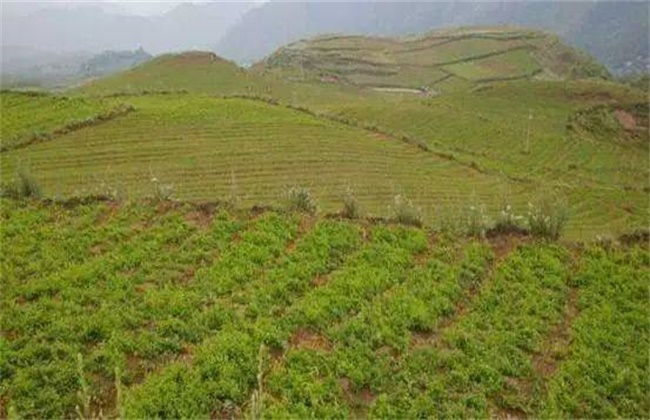
Detailed guide to Codonopsis pilosula seedling-raising techniques, easily grow robust seedlings
Codonopsis pilosula seedling-raising techniques
-
条件筛选