-
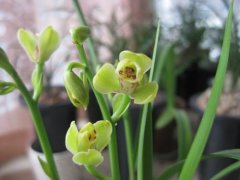
Is Ji-anlan Lüguangdeng a rare and fragrant classic orchid variety?
Lüguangdeng is one of the eight famous varieties of Ji-anlan (Cymbidium ensifolium, also known as Four Seasons Orchid), an old cultivar, with plum-petal-type flowers. It was selected and bred by Li Guangdong; its flowers are green, hence the name Lüguangdeng. The price is generally around 160 yuan to 200 yuan per seedling. Lüguangdeng can be said to be one of the rare varieties of Ji-anlan.
-
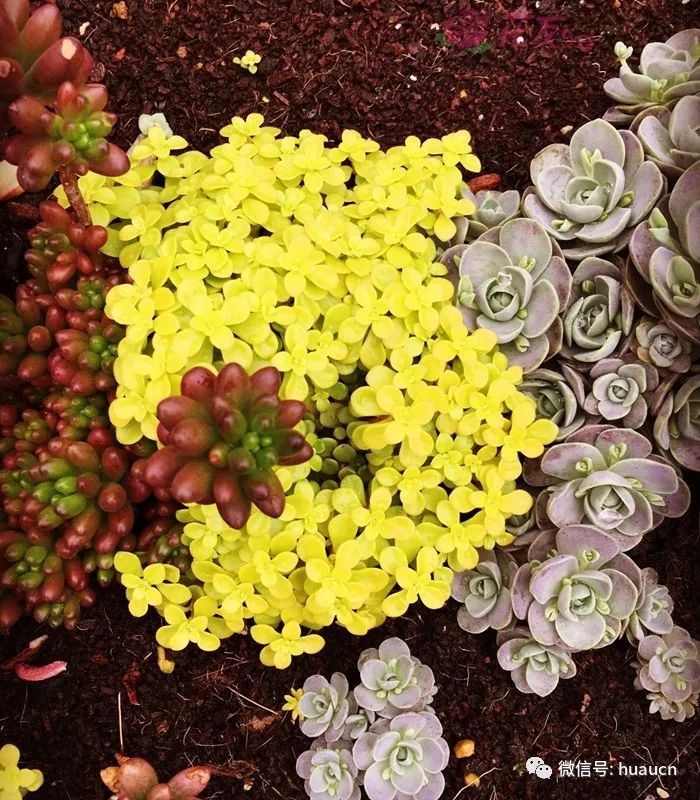
Golden Sedum Cultivation and Care Methods: Grow the Classic Desktop Potted Plant
4. Light: Golden Sedum's growing environment requires ample sunlight, which is what ensures the golden-yellow color of its leaves. So in summer, placing it outdoors in a spot with plenty of light is fine even if it gets sun exposure; as long as the light is good, the stems and leaves will be more compact and dense. On the contrary, if...
-
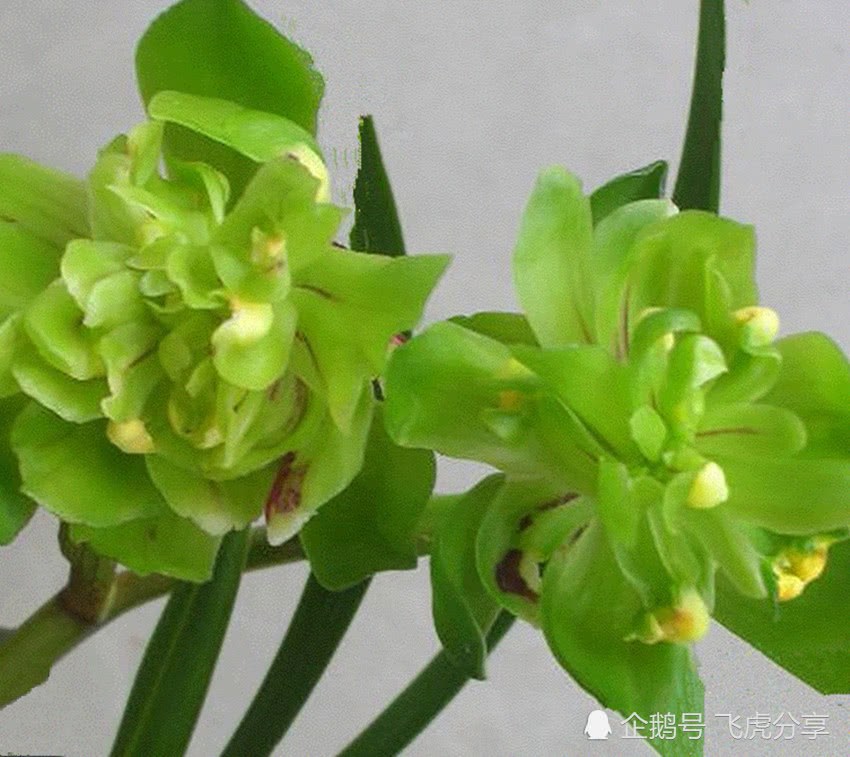
The easiest-to-grow Chunlan (Cymbidium goeringii) with intense fragrance, a rare flower and a celebrated classic variety: beautiful blooms with a captivating fragrance
This is one of the four great rare flowers among Chunlan orchids, named Jiuxian Mudan (Nine Immortals Peony). A lotus-petal rare flower with oily green color; each flower has as many as several dozen petals, and the leaves are emerald green. It once won a gold award at an orchid exposition. This flower is very beautiful and elegant, with blooms...
-
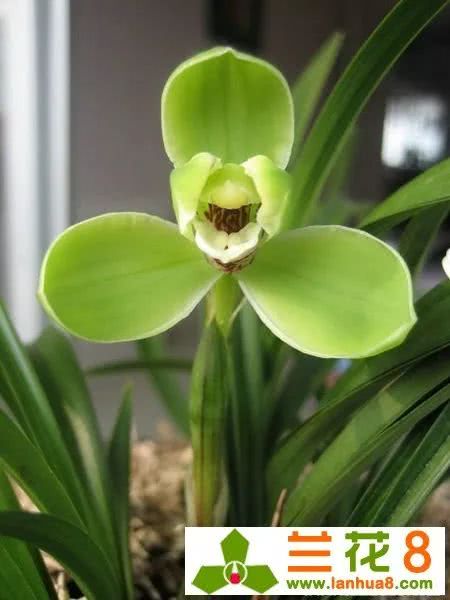
Orchid Petal Type Analysis: Detailed Explanation of Common Petal Type Classifications and Characteristics
Promote Chinese orchid culture, spread orchid knowledge. I. Plum Petal. Plum petal: the three outer petals have tight edges and rounded tips, the central column is strongly masculinized with a cupped shape and white tip; if the lip is relaxed and not curled, it is a plum petal. When the plum petal is about to bloom, due to masculinization, the three outer petals have white edges and the petals have white tips. The entire flower shape looks quite like a plum blossom in snow; the ancients' metaphor is indeed apt and vivid. Plum petals are further divided according to the degree of masculinization into hard-cupped plum petals and soft-cupped plum petals. Among hard-cupped ones, there are extremely hard-cupped and hard-cupped plum petals. Extremely hard-cupped plum petals, due to extremely strong masculinization, often have the petals adhering to the column, with a very small hard lip or with cheek-like structures and no lip; such flowers' outer petals are mostly flared and upturned, and the flower shape is extremely inelegant! We know that the strength of masculinization is greatly related to flower quality. The stronger the masculinization, the tighter and harder the central column, and the worse the flower quality! If such a flower shape has tender color and broad outer petals, it also has ornamental value, but most outer petals are flared and upturned, and have traditionally not been valued by orchid growers! The masculinization of hard-cupped plum petals is slightly weaker than that of extremely hard-cupped ones, mostly split-head closed-back or joined-shoulder closed-back hard silkworm-moth petals, and the lip is mostly a dragon-swallowing lip, small round lip, etc.; some flowers have slightly flared outer petals! The masculinization of soft-cupped plum petals is relatively moderate, mostly five-petal separated soft silkworm-moth petals, with the three outer petals rounded and tight, and the lip mostly able to spread broadly, mostly a Liu Hai lip or Ruyi lip; the central column is rounded and neat, making it a fine among plum petals! The overall form of a superior plum petal should closely resemble a plum blossom, and reaching such a standard is very rare! The leaves of plum petals feel relatively thick and hard, with strong uprightness or bow-like form, looking rather vigorous; the basal leaves are slightly spreading, the sheath is hard and extends obliquely at about 15 degrees, feeling prickly to the touch; when the sheath is not yet withered, one can see a white pointed tip at the sheath tip, about the size of a millet grain, crystal clear, greatly different from the leaf tip of ordinary flowers. When selecting wild-collected orchids, if you encounter sheath color bright and smooth, veins fine and sparse reaching the top, heavy sand and dense halo, color lighter below and darker above, with a green tip at the apex, large empty head, lower part of the flower bud tightly contracted, and the middle round and bulging like a peanut or soybean, it is mostly a plum petal! This requires everyone to observe more usually in order to judge quickly and accurately!
-

Jianlan Hewang is a classic old variety with standard lotus-petal flowers
Promoting Chinese orchid culture, spreading orchid knowledge. Hewang, an old variety of Jianlan (Four Seasons Orchid), standard lotus-petal flower, blooms 3-9 flowers, yellow, delicate fragrance, small ruyi tongue extending forward, with a patch of red spots, and forming a golden-yellow compound rim, semi-drooping leaves, leaves relatively...
-
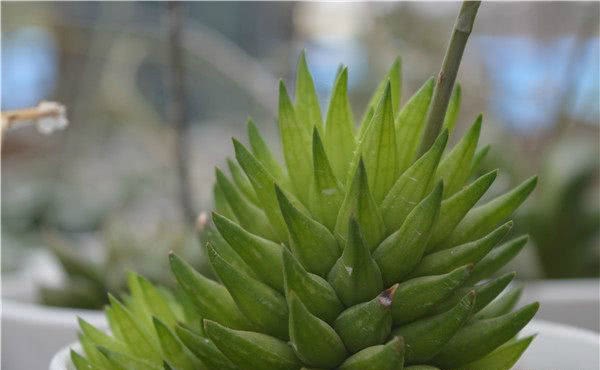
Although Haworthia are common varieties, they are classic and pleasing to look at. Who doesn't love them?
Thanks to o0zoz0o for the material. All kinds of common Haworthia. All kinds of common Haworthia. All kinds of common Haworthia. All kinds of common Haworthia. All kinds of common Haworthia. All kinds of common Haworthia...
-
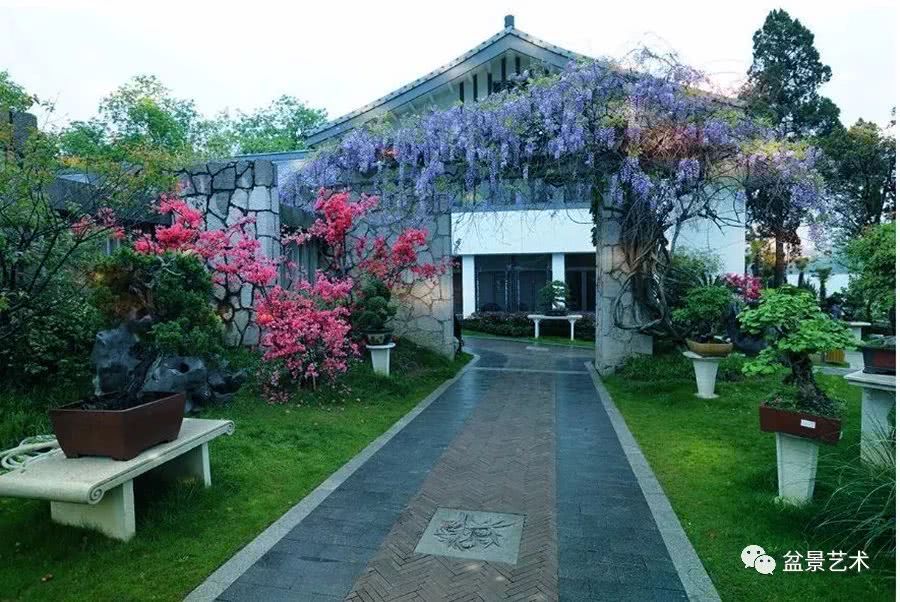
What is a bonsai garden? A detailed explanation of the concept and classification of bonsai gardens
The concept of a bonsai garden. A bonsai garden is a form of garden-within-a-garden that gradually began to appear in parks in our country starting in the 1960s. Later, through gradual development, it became a specialized garden mainly focused on bonsai creation, bonsai collection, and bonsai display...
-
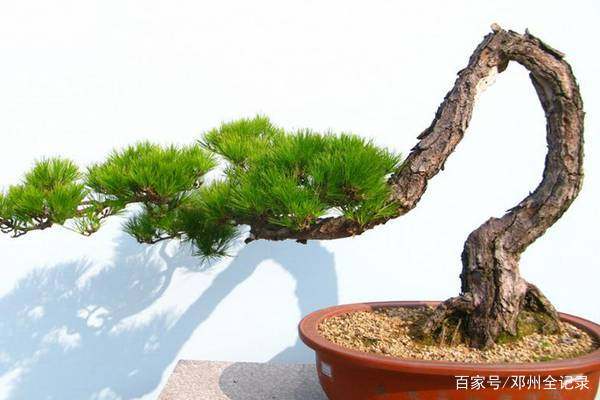
What Are the Classifications of Bonsai? A Full Breakdown of Common Bonsai Types
Bonsai are mainly divided into two major categories: tree bonsai and landscape bonsai. These schools had already taken shape by the Song Dynasty, and with people's constant innovation, many new categories of bonsai have emerged. They are mainly divided into the following seven major types - let's learn about them together...
-
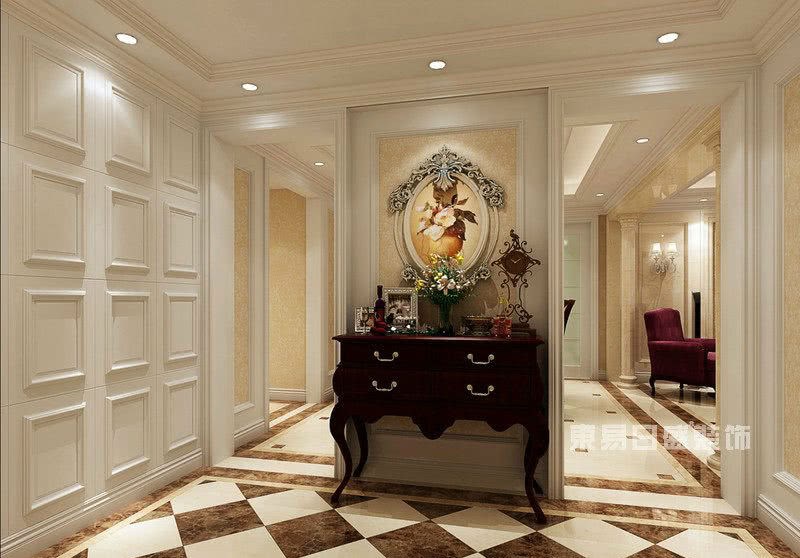
180 sq m Neoclassical Style Interior Design Renderings, Dazzling and Full of Style
Elegant heritage, an open attitude, noble refinement. The characteristics of Neoclassicism - lady-like lines, dark tones of gold and silver, low-key luxurious details. The advantages of Neoclassicism - it can be rich or light; in terms of color, gold and dark red are mostly used for richness, while a little soft white makes it bright and light; with Rococo accessories or Baroque refinement, it becomes noble and graceful; paired with modern leather pieces, or indirect bedside lamps, it becomes extraordinarily elegant. This diversity and flexibility are the unique qualities of Neoclassicism's individualization in the post-industrial era.
-

Jianlan Tiegusu Mei is a classic variety of Sijilan with pure-color centers.
Promoting Chinese orchid culture and spreading orchid knowledge. Tiegusu Mei is a traditional famous variety of Chinese orchid. Because of its elegant plant, pure flowers, clear fragrance, and both charm and grace, it is loved by people. Original price 20 yuan, current price 16 yuan per seedling, minimum sale of 5 seedlings, genuine, free shipping...
条件筛选