-
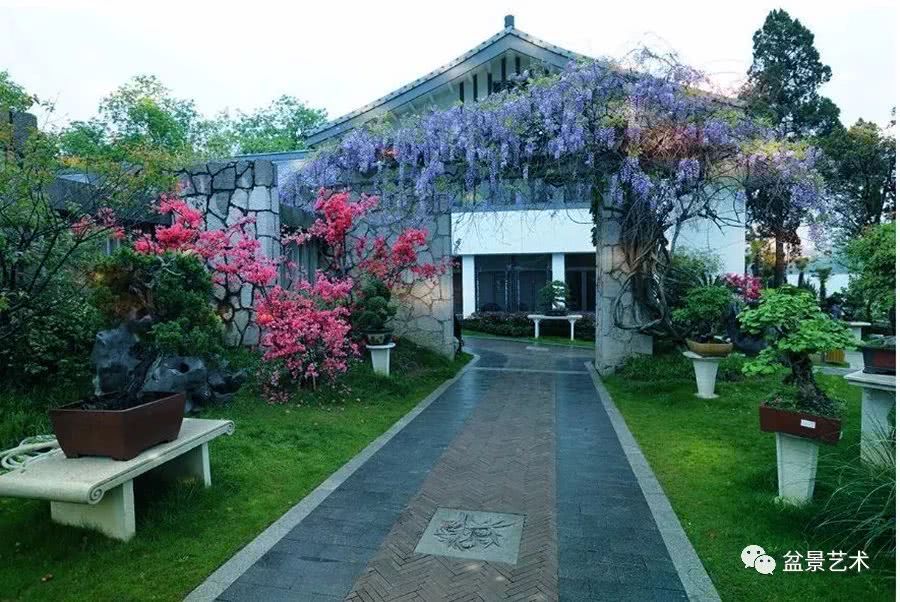
What is a bonsai garden? A detailed explanation of the concept and classification of bonsai gardens
The concept of a bonsai garden. A bonsai garden is a form of garden-within-a-garden that gradually began to appear in parks in our country starting in the 1960s. Later, through gradual development, it became a specialized garden mainly focused on bonsai creation, bonsai collection, and bonsai display...
-
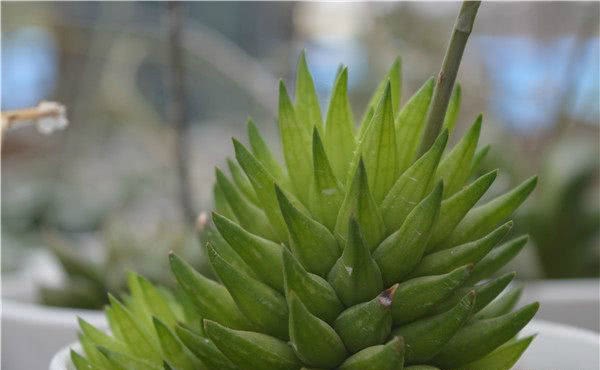
Although Haworthia are common varieties, they are classic and pleasing to look at. Who doesn't love them?
Thanks to o0zoz0o for the material. All kinds of common Haworthia. All kinds of common Haworthia. All kinds of common Haworthia. All kinds of common Haworthia. All kinds of common Haworthia. All kinds of common Haworthia...
-

Laugh-Out-Loud Campus: Wangcai Gets Praised for Putting a Potted Plant in the Classroom, but Daitou Gets Snubbed When He Copies the Idea
Laugh-Out-Loud Campus: Wangcai Got Praised for Putting a Potted Plant in the Classroom, So Why Did Daitou Get Snubbed When He Copied the Idea? ...
-

A great tool to elevate your courtyard garden's class, neighbors all come to praise it
Putting a patio umbrella in the courtyard is truly a great tool for elevating the class of a "courtyard garden." It lets you and your friends drink tea and chat, adds three-dimensional beauty to the entire courtyard space, keeps the space from being monotonous and gives it style. The 360-degree rotation makes it easy for me to open and close...
-

-

Jianlan Hewang is a classic old variety with standard lotus-petal flowers
Promoting Chinese orchid culture, spreading orchid knowledge. Hewang, an old variety of Jianlan (Four Seasons Orchid), standard lotus-petal flower, blooms 3-9 flowers, yellow, delicate fragrance, small ruyi tongue extending forward, with a patch of red spots, and forming a golden-yellow compound rim, semi-drooping leaves, leaves relatively...
-
A detailed explanation of the classification and naming of microorganisms
The classification and naming of microorganisms
-
-
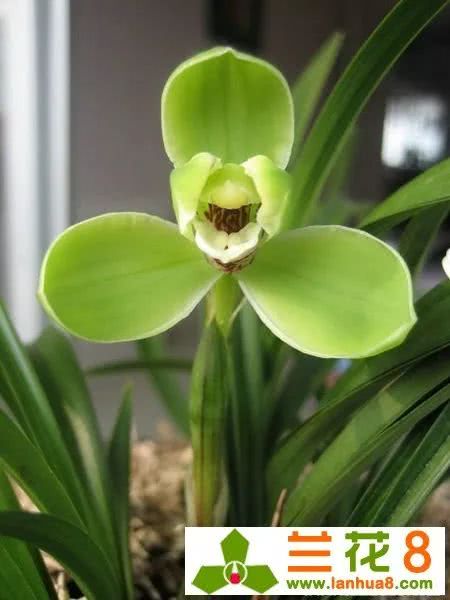
Orchid Petal Type Analysis: Detailed Explanation of Common Petal Type Classifications and Characteristics
Promote Chinese orchid culture, spread orchid knowledge. I. Plum Petal. Plum petal: the three outer petals have tight edges and rounded tips, the central column is strongly masculinized with a cupped shape and white tip; if the lip is relaxed and not curled, it is a plum petal. When the plum petal is about to bloom, due to masculinization, the three outer petals have white edges and the petals have white tips. The entire flower shape looks quite like a plum blossom in snow; the ancients' metaphor is indeed apt and vivid. Plum petals are further divided according to the degree of masculinization into hard-cupped plum petals and soft-cupped plum petals. Among hard-cupped ones, there are extremely hard-cupped and hard-cupped plum petals. Extremely hard-cupped plum petals, due to extremely strong masculinization, often have the petals adhering to the column, with a very small hard lip or with cheek-like structures and no lip; such flowers' outer petals are mostly flared and upturned, and the flower shape is extremely inelegant! We know that the strength of masculinization is greatly related to flower quality. The stronger the masculinization, the tighter and harder the central column, and the worse the flower quality! If such a flower shape has tender color and broad outer petals, it also has ornamental value, but most outer petals are flared and upturned, and have traditionally not been valued by orchid growers! The masculinization of hard-cupped plum petals is slightly weaker than that of extremely hard-cupped ones, mostly split-head closed-back or joined-shoulder closed-back hard silkworm-moth petals, and the lip is mostly a dragon-swallowing lip, small round lip, etc.; some flowers have slightly flared outer petals! The masculinization of soft-cupped plum petals is relatively moderate, mostly five-petal separated soft silkworm-moth petals, with the three outer petals rounded and tight, and the lip mostly able to spread broadly, mostly a Liu Hai lip or Ruyi lip; the central column is rounded and neat, making it a fine among plum petals! The overall form of a superior plum petal should closely resemble a plum blossom, and reaching such a standard is very rare! The leaves of plum petals feel relatively thick and hard, with strong uprightness or bow-like form, looking rather vigorous; the basal leaves are slightly spreading, the sheath is hard and extends obliquely at about 15 degrees, feeling prickly to the touch; when the sheath is not yet withered, one can see a white pointed tip at the sheath tip, about the size of a millet grain, crystal clear, greatly different from the leaf tip of ordinary flowers. When selecting wild-collected orchids, if you encounter sheath color bright and smooth, veins fine and sparse reaching the top, heavy sand and dense halo, color lighter below and darker above, with a green tip at the apex, large empty head, lower part of the flower bud tightly contracted, and the middle round and bulging like a peanut or soybean, it is mostly a plum petal! This requires everyone to observe more usually in order to judge quickly and accurately!
-
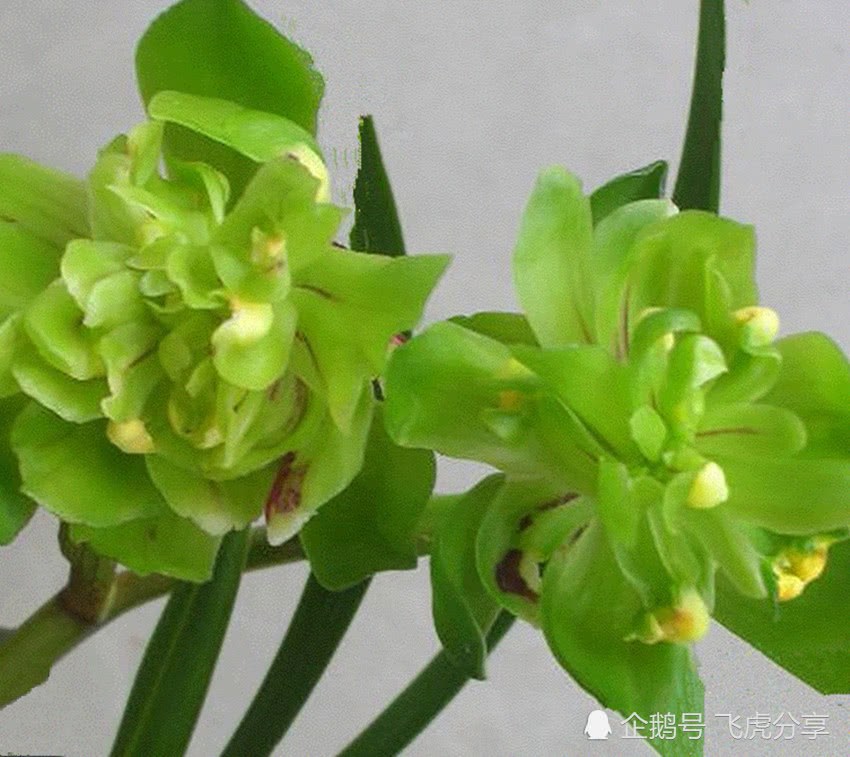
The easiest-to-grow Chunlan (Cymbidium goeringii) with intense fragrance, a rare flower and a celebrated classic variety: beautiful blooms with a captivating fragrance
This is one of the four great rare flowers among Chunlan orchids, named Jiuxian Mudan (Nine Immortals Peony). A lotus-petal rare flower with oily green color; each flower has as many as several dozen petals, and the leaves are emerald green. It once won a gold award at an orchid exposition. This flower is very beautiful and elegant, with blooms...
条件筛选