-

What are the precautions for growing Schizonepeta? These points cannot be ignored
Precautions for growing Schizonepeta
-

The impact of fertilizer damage on cotton production cannot be ignored
In recent years, while promoting new cotton varieties and providing technical services in cotton-growing areas, we have frequently encountered problems caused by farmers' mistakes in fertilizer application. First, when preparing soil for cotton nutritional-pot seedling raising, some applied too much farmyard manure or chemical fertilizer to the pot soil, so that after sowing, some cotton seeds rotted or the seedlings died; in some cases, although emergence was fairly uniform, root burn and seedling death followed. Second, after the cotton seedlings emerged in the seedbed, excessive application of water-soluble flush fertilizer scalded and scorched both cotyledons of the cotton seedlings. Third, when applying base fertilizer before transplanting cotton pot seedlings, some broadcast chemical fertilizer into the plow furrow, or applied chemical fertilizer into the pot holes, without separating the pot seedlings' root system from the applied fertilizer with fine soil; after transplanting, the cotton seedling roots came into direct contact with the chemical fertilizer, and the young roots and young stems turned brown or black after fertilizer damage. In mild cases, the cotton seedlings became stunted and did not grow; in severe cases, the young seedlings withered and died. Fourth, during the bud stage, excessive single application of nitrogen fertilizers such as urea or ammonium bicarbonate, or excessive input of high-efficiency multi-element compound fertilizer, with no regard for cost and a blind pursuit of building a high-yielding cotton framework early, resulted in excessive vegetative growth, premature row closure, severe shading in the cotton field, and serious outbreaks of pests such as mirids, causing massive shedding of buds and bolls. This phenomenon was especially common in rainy years. Fifth, during the flowering and boll stage, some rushed to broadcast urea before heavy rain arrived. Urea dissolved very quickly upon contact with rain, and the fertilizer concentration in the cotton field suddenly increased. After the rain, the weather suddenly cleared, cotton leaf transpiration was high, and water in the cotton plant rapidly underwent reverse osmosis and severe water loss, so that the lower stems and leaves of the cotton plant appeared scorched; in severe cases, the entire cotton plant withered and died and could no longer be saved.
-
Be careful when using fishery drugs; these details cannot be neglected
How to prevent and treat fish diseases and correctly use fishery drugs is very important. If fishery drugs are not used correctly, it will bring economic losses to aquaculture farmers. In this regard, Li Zhengjun, director of the Fishery Drug and Fishery Feed Division of the Sichuan Provincial Fisheries Bureau, said that some fishery drugs are banned by the state. If they are used, they will lead to very serious consequences. He hopes that aquaculture farmers will never use banned fishery drugs. There are 32 banned fishery drugs in total, namely phorate, benzene hexachloride, lindane, toxaphene, dichlorodiphenyltrichloroethane DDT, calomel, mercurous nitrate,
-
Management after apricot harvest cannot be relaxed
In many places, after farmers harvest apricots from the trees, they think that apricot tree management is over, and they neither apply fertilizer nor carry out pest and disease control and pruning. As a result, the soil becomes compacted, fertility is insufficient, and the trees become weak, so the trees' vegetative growth is insufficient, stored nutrients are inadequate, and there are not enough nutrients to supply the flower bud differentiation and development needs. This increases the number of degenerated flowers, and the flower buds also show a serious phenomenon of pistil abortion, so the fruit set rate the following year is very low or the fruit simply cannot set stably, and the yield and quality decline year after
-
Orchard management after peach harvest cannot stop
After peach fruit is harvested, the assimilation of the leaves continues, and nutrients begin to accumulate in the tree body. Summer and autumn are also the period of flower bud differentiation. From fruit harvest to leaf fall, the amount of nutrients accumulated by the tree body and the quality of flower bud differentiation are closely related to the yield and quality of next year's peaches. Therefore, after the peaches are picked from the trees, management is not over and still must be strengthened. 1. Apply post-harvest fertilizer. After fruiting, the tree body has consumed a large amount of nutrients, so nutrients must be replenished in time to restore tree vigor, enhance the photosynthetic capacity of the leaves, and strengthen the tree
-
Pigs' drinking water cannot be ignored; raising pigs well requires attention to proper drinking water
Water is an important substance for the life activities of all animals. Pigs are no exception. In pigs, all life and physiological activities, including the digestion and absorption of nutrients, excretion of waste, blood circulation, respiration, and regulation of body temperature, depend on water. Once a pig's body lacks water, its life and physiological activities will be affected, leading to poor digestion and absorption of pig feed, thicker and more concentrated blood, elevated body temperature, and so on, which reduces feed conversion efficiency, increases feeding costs, and lowers breeding profitability. At the same time, it can also hinder pig growth and development and trigger various diseases. 1. Pig drinking water
-
Strengthen Care for Feverish Pigs: Daily Nursing Cannot Be Neglected
The normal body temperature of pigs is 38-40°C; if it persistently exceeds 40°C, it is considered a fever. Prolonged continuous high fever accelerates the body's catabolism, disrupts digestive function, lowers resistance, and can even cause coma or heart failure. The treatment principles for feverish pigs are as follows: immediately isolate the feverish pig, and thoroughly disinfect the contaminated environment. Before the cause is identified, as long as the fever is not excessively high, generally do not use antipyretic drugs at will. While using antibacterial drugs, attention should be paid to supplementing nutrition.
-
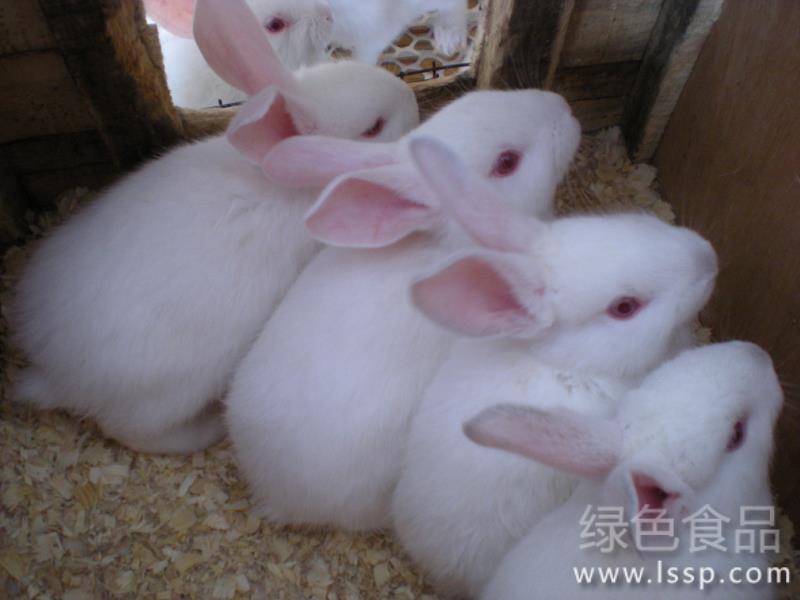
Angora rabbits cannot tolerate high summer temperatures; how can summer management be done well?
Summer heat is unsuitable for Angora rabbits; how can summer management of Angora rabbits be done well
-
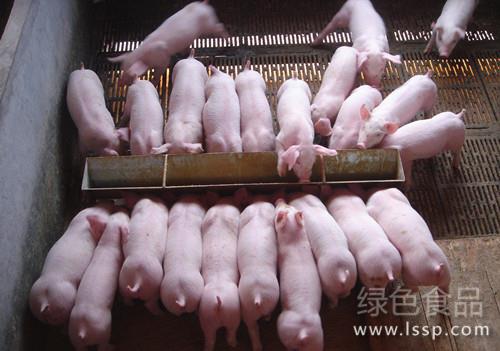
A pig's rectum has prolapsed from the anus and cannot be pushed back in; how should prolapse of the anus be prevented and treated?
How to prevent and treat prolapse of the anus in pigs when the rectum has prolapsed from the anus and cannot be pushed back
-
Timely Control of the Rice Leaf Roller Is Essential and Cannot Be Delayed
The rice leaf roller is one of the major rice pests in our province. Its larvae damage the leaves, turning rice leaves into a mass of withered white. Especially when it attacks at the booting or heading stage, it will cause a sharp decline in rice yield. This pest has seven generations a year, and the second-generation larvae are the most numerous and cause the most serious damage to early rice. If control is not timely, it will break out in a major outbreak during the heading period, causing incalculable losses. For forecasting the rice leaf roller, the appropriate control timing should be determined based on the forecast of the occurrence period. Based on past conditions, investigation should begin 4 days after the peak of the moth flight
条件筛选