-

How to grow colored calla lilies? Growing methods and precautions
To grow this plant, use sandy soil with very good aeration and drainage, and the pot should be relatively shallow. The suitable temperature for its growth is 22-30 degrees; if it is below 20 degrees, its growth rate will slow down. Water according to how dry the soil is, the fertilizer dose does not need to be large, and during the growing period give it strong light.
-
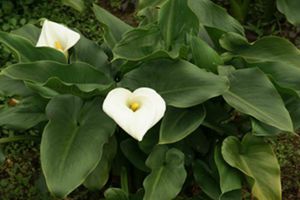
What is the difference between calla lily and giant taro? A quick guide to tell them apart
Both belong to the same family and are perennial, staying green all year round. The former's petals curve away from the spadix, while the latter's flower resembles an eagle's beak and curves along the spadix. The latter's spadix is thicker and sturdier than the former's, and the latter can produce fruit, while the former rarely sets fruit.
-

What is the difference between calla lily and Alocasia macrorrhizos?
Both belong to the Araceae family. In comparison, the former has longer leaf stalks than the latter, while the latter's leaf stalks are relatively thick and fleshy. Specifically, we can add more water to the potting soil to tell them apart. After a while, if water droplets drip down along the edges of the leaves, then it is the latter; if not, then it is the former.
-
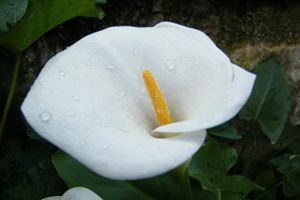
How do you grow calla lilies so they bloom more? Master these care tips
It is a plant that can live for many years and can produce flowers many times a year. If you want it to grow more flowers, you can plant it in fertile, airy soil, because base fertilizer is an important step in ensuring it produces more flowers. Give it plenty of water and moderate sunlight, and pay attention to regulating the temperature in summer and winter.
-

How to propagate calla lilies? These methods you need to master
We can propagate it by dividing the bulbs, dividing the offsets, or sowing seeds. Dividing the bulbs requires us to cut off the small bulb-like plants around its tuber when it enters dormancy and plant them separately; sowing requires us to wait until its seeds mature, collect them, and then plant them in pots; dividing the offsets requires us to cut off the small stems around it in around September and plant them separately.
-

Is calla lily toxic? Learn about its toxicity before growing it
Calla lily contains toxic substances. If you accidentally eat it, your tongue will swell up. If there is a pregnant person, a small child, or pets in the home, it is best not to grow this plant. Although it looks very beautiful, its roots, leaves, and flowers are all toxic. If it is accidentally ingested, see a doctor immediately.
-
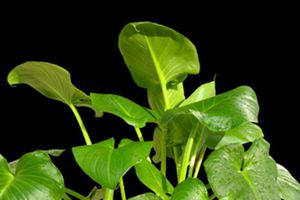
What to do if you accidentally eat a calla lily? Learn the correct way to handle it
It is a plant in the Araceae family and can be used as medicine to clear heat and dissipate toxicity, but it is toxic and must not be taken internally without proper guidance. If you eat it by mistake, first of all do not panic; it is recommended to see a doctor immediately, or drink plenty of plain water and repeatedly rinse your mouth with cold water.
-
Detailed Explanation of Hydroponic Methods and Care Management Key Points for Calla Lily
1. Hydroponic varieties. Hydroponic calla lilies usually use the relatively short and compact white-stem type, red-flowered calla lily, and silver-flowered calla lily. Calla lily: calla lily bonsai care management. 2. Hydroponic solution. The hydroponic nutrient solution for calla lily can use the following nutri...
-

How to deal with root rot in calla lilies? Practical solutions shared
Root rot caused by root rot disease: in the early stage the leaves change color, then slowly rot, and the top of the flower also changes color and spreads to the petiole and stem; this is caused by mold in the soil. The diseased spots on its roots should be removed, then the plant should be soaked in hot water or acetic acid and replanted.
-

A Detailed Guide to Growing Calla Lilies in Water and Key Precautions
Pruning: Regularly clean up the leaves that have rotted in the water. Light: Keep the light adequate; it can be placed on a balcony for care, with frequent ventilation to help air circulate. Water: Ensure the nutrient solution is free of pathogens, and especially avoid water contamination. Fertilizer: Choose a suitable fertilizer, and make sure the pH is around 5.5-6.5.
条件筛选