-

Is Calathea leopardina suitable for growing at home? Symbolism, care methods and precautions
In traditional Chinese thinking, plants are not just a part of the natural world; they are also a spiritual support in everyone's life. Retired workers, or friends under too much work pressure, will find their mood unwittingly fuller and happier when they keep a few green plants. Today I'm sharing an indoor plant that has become popular online in recent years, "Calathea leopardina".
-

A detailed guide to solving yellowing and curling leaves in Calathea leopardina
Calathea leopardina is an indoor foliage plant native to the tropical rainforest regions of South America to Central America. Its leaves are pale green, grayish green and other colors, with brilliant feather-like markings or irregular markings. The undersides of the leaves are often purplish red or grayish green, very beautiful. But during cultivation
-
How do you grow Calathea leopardina so it thrives?
Calathea leopardina is a plant that is often kept indoors. It is both attractive and able to purify the air. So how do you grow Calathea leopardina well? Next, the editor will explain its growing method, so be sure to read it carefully. Growing methods for Calathea leopardina
-
How to water Calathea leopardina, and how often?
Calathea leopardina is a plant native to warm, humid regions, so it has relatively high water requirements. Watering is a very important factor when growing any plant, and for a moisture-loving plant like Calathea leopardina, watering
-
-
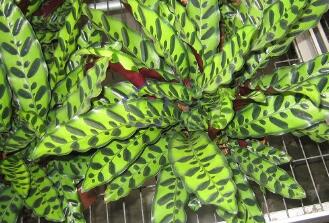
How to grow and care for Calathea leopardina, and how often should you water it
Calathea leopardina belongs to the genus Calathea in the family Marantaceae and is a perennial herb. It gets its name because its leaves stand upright at night and spread out and droop during the day, resembling a cat's eye. Calathea leopardina is also excellent at purifying indoor air and is much loved by people. Many plant enthusiasts do not know the growing methods and precautions for Calathea leopardina
-
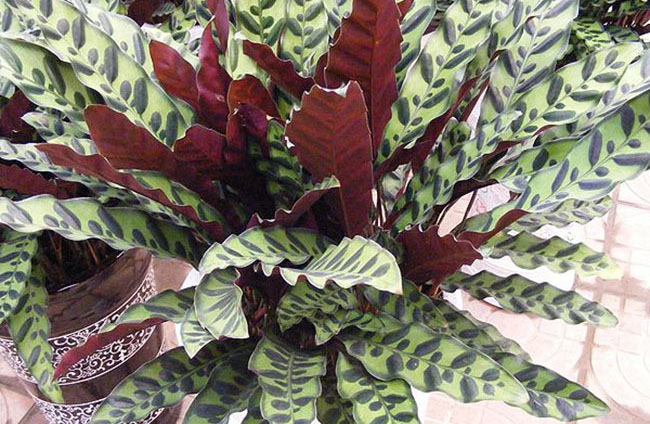
How to Grow Calathea leopardina and Tips for Pest and Disease Control
Calathea leopardina thrives in a warm, humid environment with bright light. It is not cold-tolerant or drought-tolerant, and it fears scorching sun. During the growing season it should be watered thoroughly to keep the soil moist, but the soil should not become waterlogged. A loose, fertile, well-draining and airy, slightly acidic soil rich in humus is ideal.
-
What are the disease and pest control methods for Calathea leopardina?
1. Southern blight. Southern blight has a relatively high incidence rate. When a plant suffers from southern blight, the stems and leaves near the soil will rot and discolor, and a radiating white fungal mycelial infection will appear; then the infection expands and turns dark brown, spreading through the entire pot and eventually causing the plant to die. It should be noted that
-
What are the precautions for growing Calathea leopardina
1. Repotting: repot once every other year, and it is best to use a fertile, loose, well-aerated and well-drained, slightly acidic soil rich in humus. 2. Pest control: common pests mainly include scale insects, red spider mites, etc. For scale insects, depending on the severity of the infestation
-
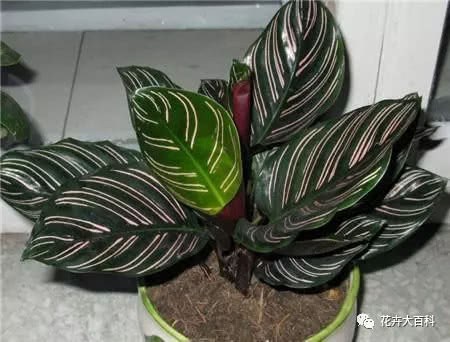
The Calathea leopardina is not just green in its leaves; when well cared for, it will bloom as well
Although the Calathea leopardina is a tropical foliage plant with glossy green leaves, it will also bloom, and its flowers are elegantly shaped and richly fragrant. Next, let us look at how to care for it so that the Calathea leopardina will bloom. Calathea leopardina The Calathea leopardina will...
条件筛选