-
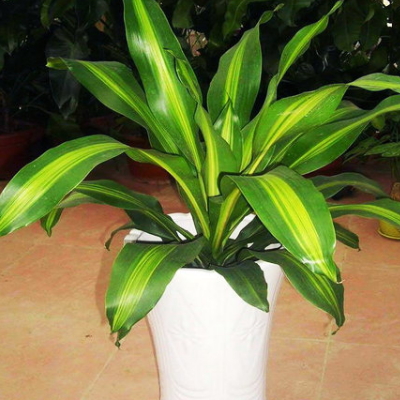
How do you care for a Brazil iron plant, and how is it different from a Yemen iron plant?
The Brazil iron plant (Dracaena fragrans) is a very attractive plant that grows up easily. How do you care for a Brazil iron plant? What is the difference between the Brazil iron plant and the Yemen iron plant? How to care for a Brazil iron plant: 1. The Brazil iron plant likes warmth, tolerates shade and fertilizer but not cold, and is suitable for growing in a loose, well-drained and fertile substrate.
-

How to Raise Brazilian Red-Eared Sliders and Points to Note
A new special aquaculture species -- the farming of Brazilian red-eared sliders -- is popular among farmers in Huzhou City, Zhejiang Province. According to technicians from the city's Fisheries Technology Extension Station, rural areas across the city have raised 2 million Brazilian red-eared sliders this year, a very rapid pace of growth. The Brazilian red-eared slider, native to the banks of the Mississippi River in the United States, is also known as the seven-color turtle, red-eared turtle, ornate slider and so on. It has a beautiful appearance, brilliant colors and agile movements, making it very endearing. Kept in water, it glistens under the light; when swimming submerged, red, yellow, white, brown,
-
The Brazilian green turtle is a new variety for specialty aquaculture
A new specialty aquatic product - the farming of the Brazilian green turtle - has become popular among farmers in Huzhou City, Zhejiang Province. According to technicians from the city's Aquatic Technology Extension Station, rural areas across the city have already farmed 2 million Brazilian green turtles this year, a very rapid pace of growth. The Brazilian green turtle, native to the banks of the Mississippi River in the United States, is also known as the seven-colored turtle, red-eared turtle, and ornate slider. It has a beautiful appearance, brilliant colors, and agile movements, making it very endearing. Raised in water, it glistens under the light, and when swimming submerged, on its head and carapace
-
Detailed Explanation of the Characteristics and Main Cultivation Techniques of Brazilian Upland Rice
Brazilian upland rice LAPAR-9 is one of a batch of improved crop varieties that the Brazilian government presented to our country in 1992 during Premier Li Peng's attendance at the United Nations Conference on Environment and Development. Since 1993, our institute has planted it successively on hillside land, water-deficient fields, orchards and tea gardens in Beijing, Tianjin, Hebei, Shandong, Henan, Anhui, Chongqing, Sichuan, Shaanxi, Shanxi, Zhejiang and **, with an average yield of 200-300 kg per mu; on plots with good fertilizer and water conditions, the yield can reach 400 kg per mu, and at its highest more than 500 kg per mu. Trial
-
The Brazilian green turtle is a new variety for specialty aquaculture
The farming of a new specialty aquatic product - the Brazilian green turtle - is popular among farmers in Huzhou City, Zhejiang Province. According to technicians from the city's Aquatic Technology Extension Station, 2 million Brazilian green turtles have already been farmed in rural areas across the city this year, showing very rapid growth. The Brazilian green turtle, native to the banks of the Mississippi River in the United States, is also known as the seven-colored turtle, red-eared turtle, and ornate slider. It has a beautiful appearance and brilliant colors, moves swiftly and nimbly, and is very endearing. Raised in water, it glistens under the light, and when swimming underwater, red, yellow, white, brown, and green appear on its head and carapace
-

The Brazil mushroom scam: cadmium metal detected, what effect does it have on the human body?
Cadmium metal has been detected in Brazil mushrooms, so have you ever eaten this mushroom? Vegetables nowadays are becoming less and less safe, and when we buy them, we all have to choose carefully. Major newspapers have all reported that Brazil mushrooms are contaminated with the heavy metal cadmium, and the place of origin is "Puli Nenggaoshan
-

Reasons for Yellowing Leaves on the Brazilwood Plant and How to Fix Them
Dracaena fragrans is the most common indoor foliage plant and is also very easy to care for, but even so, some plant lovers still run into the problem of yellowing leaves on their Dracaena fragrans. In this case, you cannot simply point to one single cause, because Dracaena fragrans behaves differently in different environments.
-
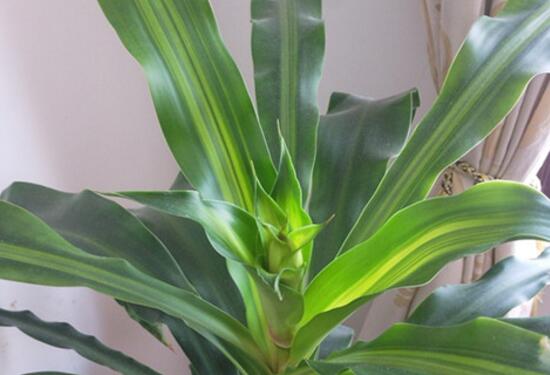
What to do when the Brazil wood plant's leaves turn yellow? Controlling water, adding light and changing the soil will solve it
The Brazil wood plant (Dracaena fragrans), a plant with a handsome, well-proportioned form, has emerald-green leaves that grow just like agave leaves, making it highly ornamental. In everyday life, many people grow Brazil wood plants, but during cultivation, many flower growers cause the leaves of the Brazil wood plant to turn yellow through improper care, seriously harming its ornamental value
-
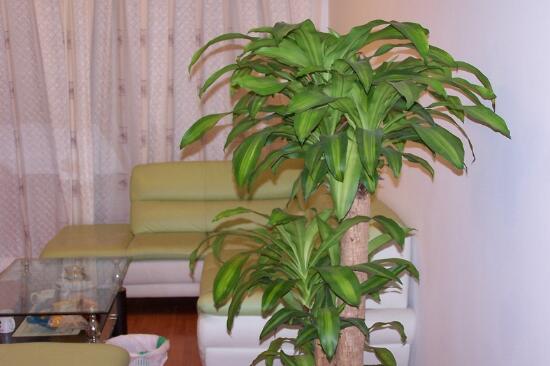
How often should you water a Brazilian wood plant? Water once a day on sunny days
Brazilian wood (Dracaena fragrans), familiar to many flower lovers, is a foliage plant with an elegant shape and glossy leaves, kept in many homes. However, if you want your Brazilian wood to grow well, proper watering is key. So how do you water a Brazilian wood plant? How often should you water it? Here are the watering methods for Brazilian wood.
-
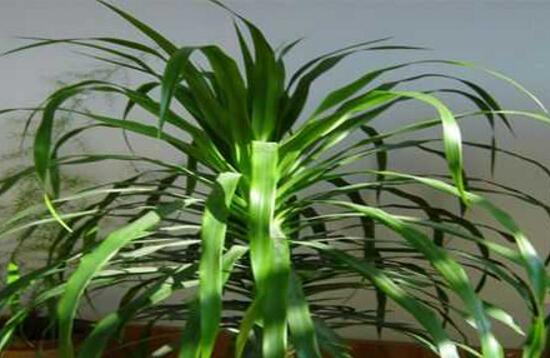
How to prune a Brazil wood (Dracaena fragrans) so it looks good? A step-by-step guide to cutting from top to bottom
Brazil wood, the most popular foliage plant in recent years, has a graceful form, glossy leaves, and can give off a fragrance, making it deeply loved by plant enthusiasts. However, although Brazil wood's benefits are great, for growers it requires careful attention, especially pruning, which must not be done carelessly
条件筛选