-

Phlox, Drummond phlox, annual phlox, five-color plum, grass oleander, campanula pink, foreign plum flower, small foreign flower, small sky-blue hydrangea
Scientific name: Phlox drummondii. Aliases: phlox flower, phlox bloom, five-color plum, grass oleander, campanula pink, foreign plum flower, small foreign flower, small sky-blue hydrangea. Family and genus: Polemoniaceae, Phlox genus. Origin: native to southern North America, now widely cultivated in countries around the world. Origin of the name: the genus name Phlox means flame, because the original species of phlox has red flowers. The species name honors Drummond. Morphological characteristics: plant height 15 to 45 cm. Stems erect, much branched
-
Planting Methods and Care Tips for the Blue Spruce
Native to the United States, it gets its name from its bright silvery-blue foliage. An evergreen tree, up to 15 m tall, with a crown spread of up to 5 m, and a conical to columnar crown. The bark is scaly and gray-red. The branchlets are sturdy and brown-red. The leaves are 2 cm to 3 cm long, four-angled and linear, stiff and straight, bright silvery blue-green. The cones are green at first, later light brown, 7 cm to 12 cm long. The bright foliage is highly decorative, and when planted together with other tree species it can achieve a striking color effect. It prefers light and tolerates slight shade.
-
What to Do If Blue Mushrooms Appear? Introduction to the Correct Handling Method
The symptom of blue mushrooms is that when the mushroom body grows, a blue halo forms at the edge of the cap. In severe cases, the entire mushroom body looks as if blue ink has been splashed on it, and it does not disappear even after the mushroom body is harvested. The main causes of blue mushrooms are: (1) Heating the mushroom shed with coal, firewood and other fuels causes carbon monoxide and carbon dioxide poisoning in the mushroom body, stimulating changes in the components within the mushroom body and producing a discoloration reaction. (2) Using poor-quality new plastic film as covering material: due to the temperature difference between the inside and outside of the film and the relatively high humidity inside the film, it is very easy for the film to
-

How to manage blueberry cuttings after planting? Master these key points
Key management points after blueberry cuttings
-
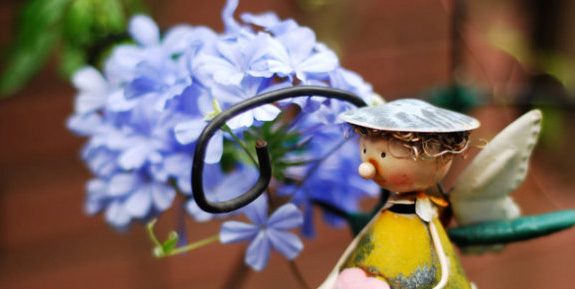
The blue plumbago blooms in summer, flowering right on schedule every year at this time
The blue plumbago has bloomed. On a beautiful midsummer terrace, it really is indispensable. Bloom away, bloom away, and it would be best if it grew into a wall of flowers!
-

What are the conditions for growing blueberries? A detailed explanation of the growing environment requirements
Blueberry growing conditions
-
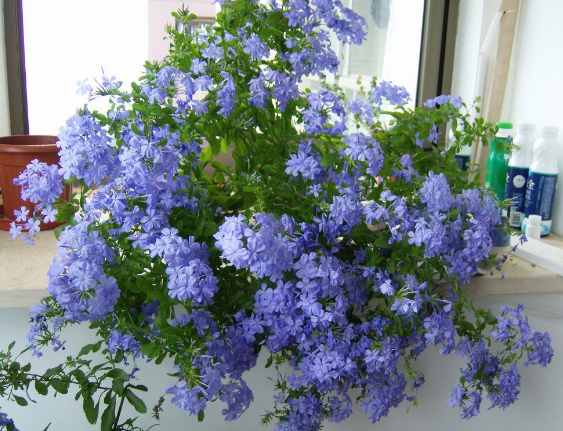
How to Grow Blue Plumbago? Cultivation Methods and Precautions, Plenty of Light Is Essential
Blue plumbago (Plumbago auriculata) is a plant in the Plumbaginaceae family. This plant prefers a warm environment and is fairly heat-tolerant, so when it comes to how to grow blue plumbago, light is the key; keeping it bathed in plenty of sunlight allows it to grow more healthily. What are the cultivation methods and precautions for blue plumbago?
-
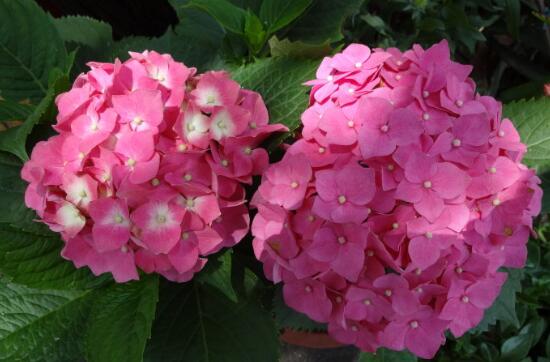
How to change the color of hydrangeas? Fertilize at the right time; acidic soil turns them blue, alkaline soil turns them red
The beauty of hydrangeas lies in their ball-shaped blooms, and even more in their rich range of flower colors. Gardeners who have grown hydrangeas know that you can change their color: depending on the soil's acidity or alkalinity, you can turn them red, blue or purple. As for how to change the color of hydrangeas, most gardeners probably don't know
-

Detailed Explanation of Key Points of Blueberry Cutting Propagation Techniques
Blueberry Cutting Propagation Techniques
-

条件筛选