-
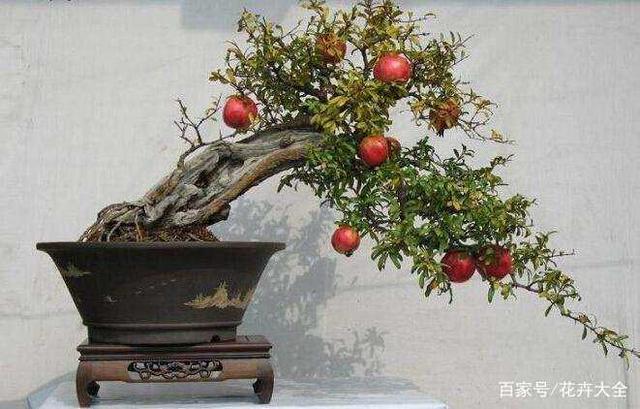
Will a pomegranate bonsai grow more slowly after being bent into shape?
Isn't pomegranate something you eat? How can it also be a bonsai? When you saw the title, was your first reaction: could it be that I'm just ignorant? In fact, maybe we really are a bit ignorant. The pomegranates we usually eat really are quite big...
-

A balcony potted plant bore 100 fruits, and the branches were bent under the weight
Complete Guide to Flower Growing Click to follow the subscription account, Huahua teaches you how to grow flowers! The flowers Huahua recently grew have all finished blooming, leaving a feeling of emptiness. Actually, it would be better to grow a small tree - easy to keep alive, able to bloom and bear fruit, much more interesting than ones that only bloom...
-
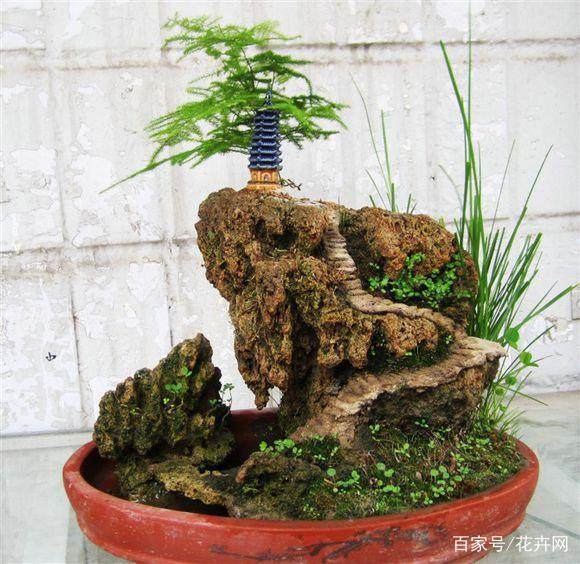
What plants are suitable for decorating shale stone (absorbent rock) bonsai? Variety recommendations
Because shale stone is porous and brittle, it is highly malleable and can be shaped into all kinds of forms. And because it absorbs water strongly, plants can be grown on it, so shale stone can be used to make all kinds of bonsai. Shale stone is often a bonsai enthusiast's...
-
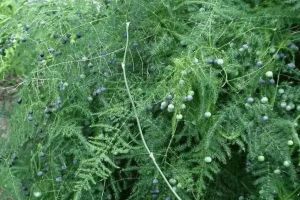
Snake plant and asparagus fern bore 100 fruits at once, branches bent under the weight, neighbors all envy
What, your asparagus fern suddenly bore 100 fruits? You're not kidding Huahua, right? Of course not! Hurry up and follow Huahua to take a look at how other people's green plants are grown until they bloom all over the branches and the fruits bend the branches down!
-
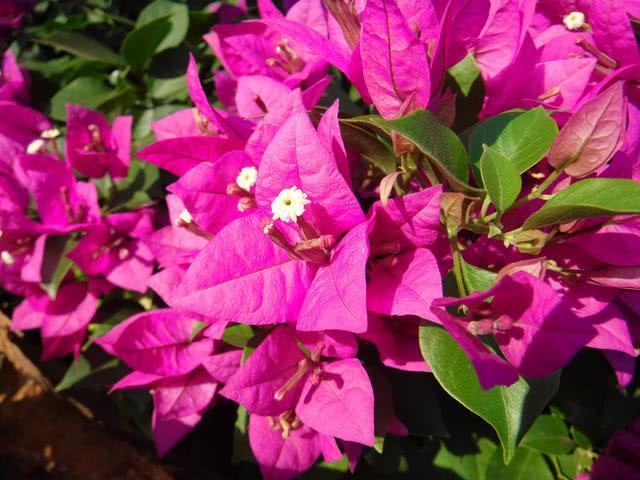
Which plants are suitable for growing on absorbent stones in bonsai? Care tips shared
When it comes to bonsai, I believe everyone is familiar with them. Some are made with pine trees, and some are made with rockeries. The growing environments of the bonsai we make are also different. Absorbent stone is very common among bonsai plants, so what...
-

Rosularia japonica is a succulent plant in the Crassulaceae family
Its original name is Rosularia japonica, and as the name suggests, the Japanese word "komochi" means "having children," while "ren" (lotus) refers to the rosette form, simply and vividly expressing the plant's appearance. This variety is native to the Hokkaido region of Japan and the coast of Aomori, and is a plant unique to Japan, called by many "Rosularia japonica."
-
条件筛选