-

Bella Anna's Heat and Sun Tolerance and Post-Bloom Pruning Methods
Bella Anna displays good heat and sun tolerance to a certain extent. In hot summers, it can usually withstand high-temperature environments well and is not prone to obvious poor growth due to extreme heat. Its tough characteristics allow it to thrive under conditions with ample sunlight. It should be made clear that although Bella
-
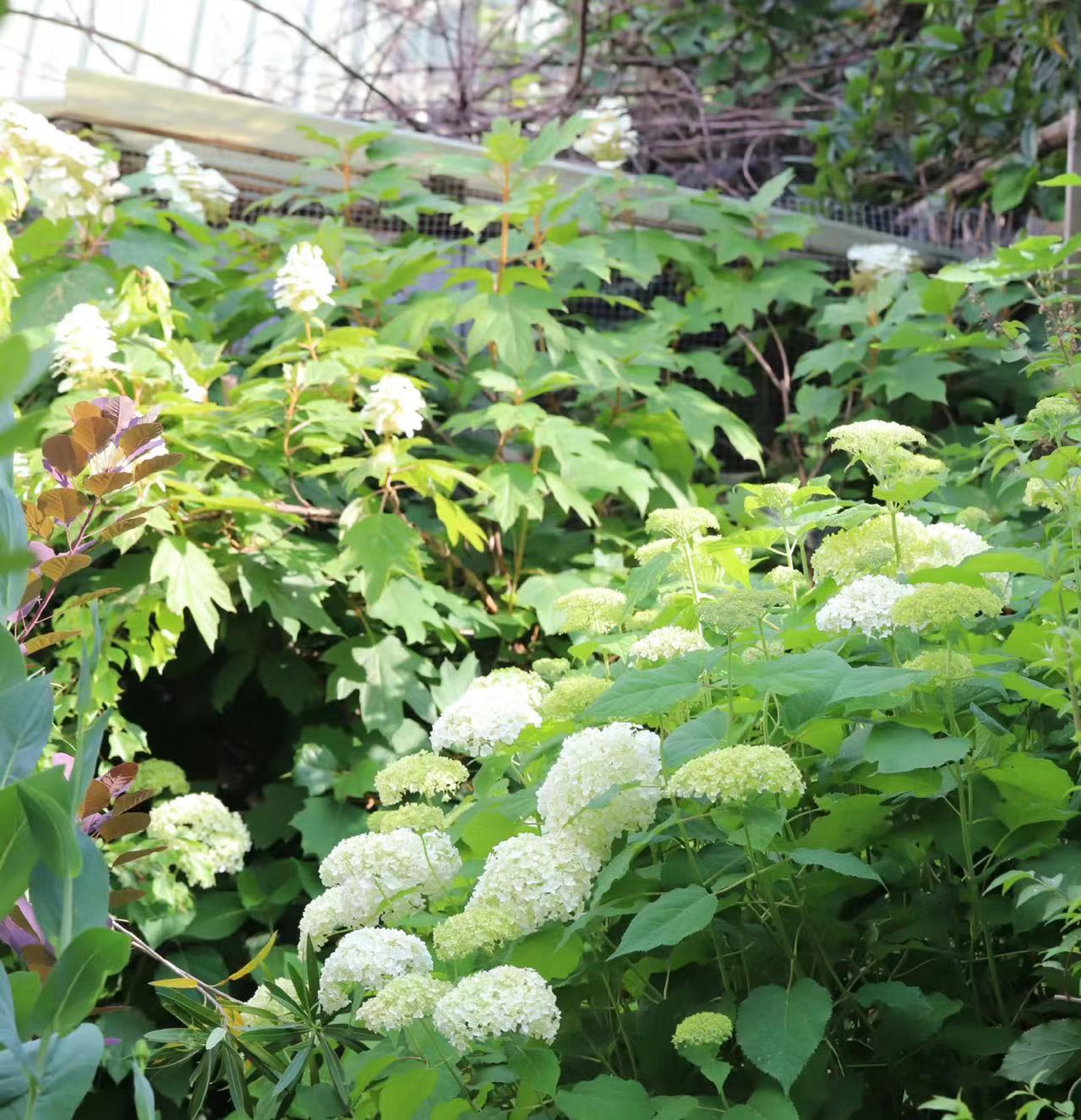
Is Bella Anna heat-resistant and sun-resistant?
Bella Anna demonstrates good heat and sun resistance to a certain extent. In hot summers, it is usually able to withstand high-temperature environments well
-

How to Grow Polyporus umbellatus for High Yield? Latest Cultivation Techniques and Methods Tutorial
Polyporus umbellatus, also known as wild boar dung, Diwutao, powder Polyporus umbellatus and so on, is the sclerotium of the fungus Polyporus umbellatus in the family Polyporaceae, genus Polyporus. As a medicinal herb it has the functions of promoting urination and draining dampness, and in recent years it has also been found to have anti-cancer effects. It is widely distributed in China, being produced in Hebei, Shanxi, Henan, Liaoning,
-
The latest technique and method tutorial for growing Polyporus umbellatus
Polyporus umbellatus, also known as Zhufuling and Zhulingzhi, is a medicinal fungus of the genus Grifola in the family Polyporaceae, order Aphyllophorales. Its young fruiting bodies are edible and delicious, and it is also a famous traditional Chinese medicine with a diuretic effect for treating edema. So how should Polyporus umbellatus be grown? Let's take a look together.
-
How to Grow Elaeagnus umbellata? A Detailed Guide to the Latest Cultivation Techniques
Elaeagnus umbellata, scientific name Elaeagnus pungens, also known as quercus crispula, sweet stick, milk fruit root, Elaeagnus umbellata, etc., is an evergreen erect shrub of the genus Elaeagnus in the family Elaeagnaceae. When ripe, the fruit is sweet and edible. The roots, leaves and fruits are all used medicinally, and it also has certain ornamental value. Cultivation can be done by sowing seeds or cuttings.
-
How to Grow Elaeagnus umbellata? A Detailed Guide to the Latest Planting Precautions
The common name of the Elaeagnus umbellata berry is Elaeagnus umbellata, and it is also called cow tick berry, que'er pastry, and sheep milk berry. Some people may have eaten it and seen it in daily life. Its taste is sweet and sour, and it is full of moisture, so it can be used to make foods such as juice, canned goods, and candied fruit. At present, many
-
Where Polyporus umbellatus comes from, seed prices, per-mu dosage and sowing methods
Polyporus umbellatus, also known as Zhu Fuling, Shiling, Fen Zhuling, Jiazhu Shi, Shituo and so on, is a medicinal fungus cultivated in most parts of our country. Because it has diuretic effects for treating edema, anti-cancer effects and other benefits, it is widely used in medicine. At present the price is a little on the expensive side, but to grow fungi well, you
-
How to use spent Armillaria-infected wood in Polyporus umbellatus cultivation
Polyporus umbellatus is also known as Di Ling, Polyporus umbellatus Maitake (Japan), wild boar food, pig dung Ling, etc. It is one of the commonly used traditional Chinese medicinal materials, mainly obtained by digging up wild specimens for medicinal use. As natural resources gradually decrease, the contradiction between supply and demand is becoming increasingly acute. In particular, modern medicine has proved that the Polyporus umbellatus polysaccharides B—(1-4) and B—(1-6) contained in the sclerotium of Polyporus umbellatus are a nonspecific cellular immunostimulant, which can significantly strengthen the function of phagocytes in the reticuloendothelial system, inhibit the growth of tumor cells, and reach an inhibition rate of up to 99.5% against tumors in mice, making it one of the medicinal fungi with relatively good anticancer effects and attracting widespread attention from medical and pharmaceutical departments at home and abroad. To solve the severe shortage of medicinal sources and the situation of supply falling short of demand, in addition to paying attention to protecting existing resources, vigorously carrying out resource surveys, and expanding the harvesting area, research work on artificial cultivation and mycelial fermentation of Polyporus umbellatus is also very important.
-
How to cultivate Polyporus umbellatus? Detailed explanation of cultivation management measures
(1) Temperature management: Polyporus umbellatus, as a fungus, forms a parasitic and anti-parasitic relationship, or symbiotic relationship, with Armillaria mellea, which basically determines their similar habits. Generally, when the temperature reaches above 12°C, both begin to germinate, reaching
-
Detailed Explanation of Key Points on Polyporus umbellatus Cultivation Techniques
(I) Overview Alias wild pig dung, ground black peach, powder Polyporus, etc. It is the sclerotium of Polyporus umbellatus (Pers.) Fr. [Grifola umbellata Pilat], a plant of the genus Polyporus in the family Polyporaceae. Its nature and flavor are neutral, sweet, and bland. It has the function of promoting urination and draining dampness. In recent years
条件筛选