-

A Detailed Guide to Growing and Caring for the Succulent Pachyphytum 'Amethystinum' (Peach Beauty)
Pachyphytum 'Amethystinum' (Peach Beauty) is a succulent plant loved by many gardening enthusiasts. It has a peculiar plant shape and leaf shape, grows slowly, and easily maintains its form. The entire plant is like a beautiful work of art, suitable for decorating halls, desks, and tables alike, making it an excellent indoor potted plant. So
-
How to grow the succulent Peach Egg (Graptopetalum amethystinum) so it quickly fills its pot? Detailed guide to seed propagation
The Peach Egg not only has a dreamy, lovely name, but is also small and exquisite with a cute shape, pinkish-white in color, looking plump and chubby, and is especially loved by everyone. So how should the Peach Egg be grown to fill its pot? Let's find out together below.
-
Reasons and Solutions for Peach Egg (Graptopetalum amethystinum) Leaves Not Turning Red, Wrinkling and Falling Off
The reason Peach Egg (Graptopetalum amethystinum) is called Peach Egg is that most of the time it displays a pink color similar to peach blossoms. Therefore, in most people's view, once Peach Egg takes on some other color, does that mean something has gone wrong with the succulent? So
-
Pachyphytum 'Moonstone' (Graptopetalum amethystinum) Care Tips for a Full Pot and Propagation Methods
Recently, a friend came asking about how to grow the succulent Pachyphytum 'Moonstone' (Graptopetalum amethystinum). Actually, succulent care methods are not all that different, but if you want to grow a full, bursting pot, you need to pay attention to some related matters, such as light, water, soil, and so on, and you also need to take into account the succulent's growth habits
-
How do you grow Graptopetalum amethystinum well? Take a look at the latest methods
Graptopetalum amethystinum is a succulent plant with vivid, dreamy colors and a cute, highly attractive form. It is also known as Peach Egg, Drunken Beauty, and so on. The question of which genus Graptopetalum amethystinum belongs to was internationally settled as far back as 1931 as Graptopetalum, and its star-shaped flowers also have very
-
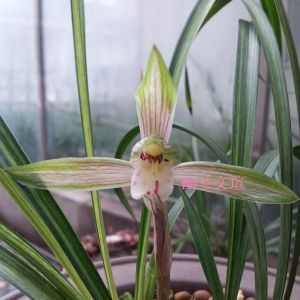
Introduction to the Amethyst Spring Orchid Variety and Analysis of Its Characteristics
This plant was purchased in 2005 by Youlan Wenxuan in Huoshan from a fellow orchid enthusiast. The plant shows a comprehensive crystal gauze stripe variegation (bright at the front, with a small amount of variegation remaining on the old leaves), extremely rare, and produces crystal flowers, with superb one-character shoulders, a white base with purple veins and a green tip, and the center of the flower does not curl back even after being open for a long time. It is crystal clear, noble and elegant, with a purple glow (hence the name Amethyst), and is even more dazzling in the sun, with a superb fragrance...
-
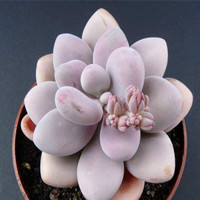
Graptopetalum amethystinum
Graptopetalum amethystinum, a dreamy name, with bright colors and a cute shape, full of appeal, also known as a succulent plant. Let's get to know it together below.
-
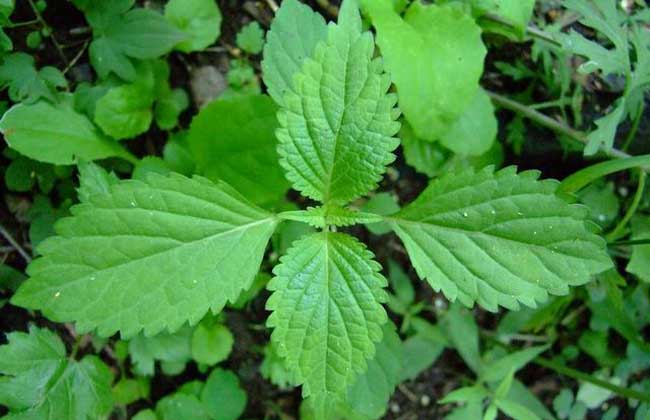
What are the effects and functions of Rabdosia amethystoides
The effects and functions of Rabdosia amethystoides
-
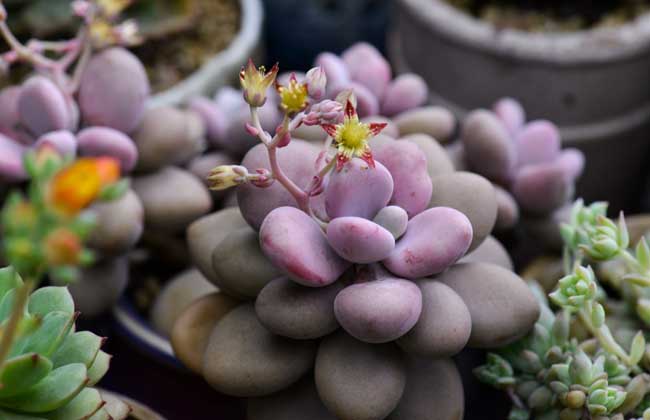
How should Graptopetalum amethystinum be cultivated so it grows well?
How to cultivate Graptopetalum amethystinum well?
-
条件筛选