-

What kinds of ladybugs are there? A guide to common ladybugs
There are as many as over 4000 species of ladybugs, of which more than 80% are carnivorous. Ladybugs that mainly prey on insects include the seven-spot ladybird, the tortoise-shell ladybird, the harlequin ladybird, and others. Ladybugs that mainly prey on leaf moths include Stethorus punctillum, Scymnus hoffmanni, Scymnus posticalis, and others. With
-
What is the typical yield per mu for mandarin fish farming in jin?
The yield per mu of mandarin fish ranges from 4000-8000 jin, and different farming environments and farming techniques are important reasons for the yield differences. In addition, mandarin fish grow quickly; after 4-5 months of rearing, they can reach a commercial size of about 300 grams. Points to note in mandarin fish farming: 1. Farming
-
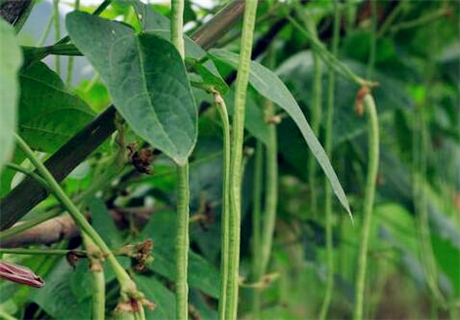
High-Yield Cultivation Methods and Prospect Analysis for Cowpea, with Yield Exceeding 4000 jin per mu
Cowpea, commonly known as asparagus bean, ginger bean, yardlong bean, or hanging bean. Generally, June to September is the best season for eating cowpea. So how many jin can be produced per mu when growing cowpea? How is it cultivated? What are the prospects for growing it? Main varieties of cowpea: cowpea can be divided by stem growth habit into climbing and bush types.
-
Multiple regions expose major cases of fake and toxic salt: cost 400 yuan, selling price over 4000 yuan
Multiple regions expose major cases of fake and toxic salt: cost 400 yuan, selling price over 4000 yuan
-
One mu of Chinese onion in Dianjiang, Chongqing helps farmers increase income by 4000 yuan
One mu of Chinese onion in Dianjiang, Chongqing lets farmers increase income by 4000 yuan
-
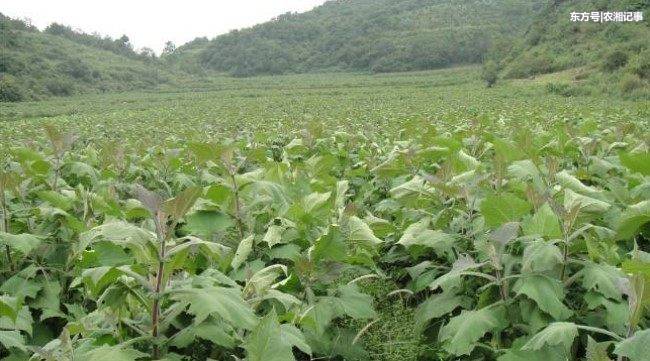
This fruit grown in the soil yields 4000 kg per mu, and farmers earn over 100,000 yuan a year from it
Farmers grow a fruit that grows in the soil, with a yield of 4000 kg per mu, earning over 100,000 yuan a year from it
-
NDRC official: Adhere to the principle of market pricing to resolve 400 billion jin of corn
Statistics show that corn inventories held by various enterprises nationwide currently exceed 400 billion jin, far above a reasonable level, with the characteristics of a stage of supply exceeding demand being obvious. In some main producing areas, an awkward situation has emerged in which the crop cannot be purchased, stored, or sold, and there is even the
条件筛选