-

How to use a backpack air-assisted sprayer: save chemicals and labor when spraying orchards
The backpack air-assisted sprayer is a great helper for spraying in orchards and greenhouses. This article introduces the working principle, key points for purchase, correct operation methods and daily maintenance tips of air-assisted sprayers, helping growers save chemicals and labor and improve pest and disease control results.
-
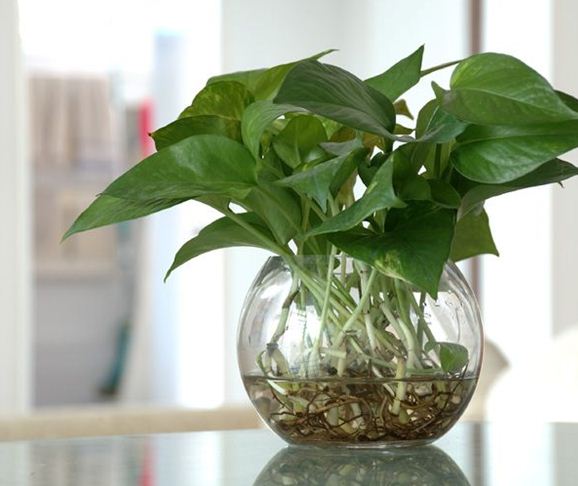
What to Do When the Roots of Hydroponic Pothos Turn Black? Causes and Solutions
Hydroponic pothos is a very common cultivation method, from large professional hydroponic planters to a small container with just a few pothos cuttings stuck in it. But some flower lovers see the roots of their hydroponic pothos turning black and do not know what the problem is. It is quite normal for the roots of hydroponic pothos to turn black
-

What points should be noted when fertilizing cyclamen?
During the various growth stages of cyclamen, the types and amounts of fertilizer required are all different, and this must be paid close attention to when growing it. Fertilizing cyclamen cannot be generalized; each stage has its own emphasis. Under normal circumstances, the peak of potassium uptake is from May to September
-

What points should be noted when planting peonies?
Peonies (Paeonia lactiflora) originated in northern China and are perennial herbaceous plants with fleshy roots. There are now over a thousand varieties worldwide, and about 180 in China. Peonies are highly adaptable and cold-hardy, and can overwinter outdoors in northern China. Wild species are currently distributed in areas such as the Qinling Mountains and the Dabie Mountains. However, three points should be noted when planting peonies: 1. The soil must have good drainage.
-

What to Do When Flowers Wither? A Few Rescue Methods to Teach You
Watching your beloved flowers wither is sure to break your heart. There are many reasons flowers wither, and if you carelessly overlook just one thing, it can cause flowers to wither, such as lack of water, lack of fertilizer, lack of light, unsuitable temperature,
-
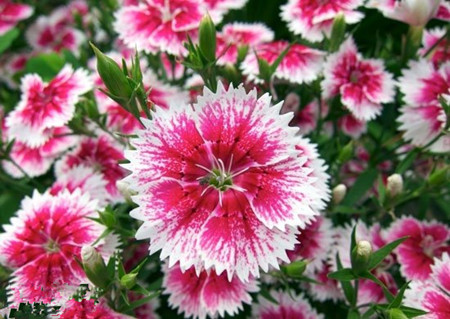
When is the best time to sow China pinks (Dianthus chinensis)?
Some gardening enthusiasts want to grow China pinks (Dianthus chinensis) themselves, but they don't know when to sow them. In fact, the sowing time for China pinks varies from region to region. Gardeners need to know that the optimal germination temperature for China pinks seeds is 21°C-22°C, but this temperature is not an absolute value. Sowing is not just about seeing germination
-
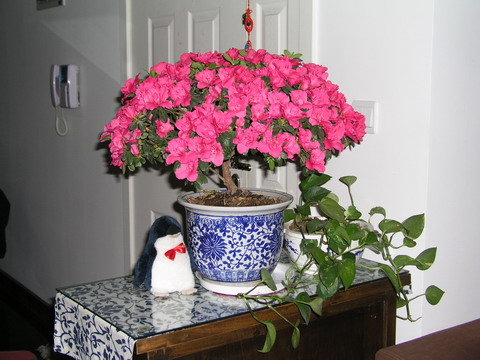
What should you pay attention to when growing flowers in winter? Keep these care points in mind
Indoors in winter, keeping a few pots of flowers and plants not only purifies the air but also adds vitality to a room, filling your living room and parlor with the spirit of spring and delighting the eye. However, because winter brings low temperatures and low humidity, rooms with heating are extremely dry while rooms without heating are very cold and dim, which is very unfavorable to the growth of flowers and plants
-

How should tulips be cared for when grown hydroponically at home?
Placing a pot of hydroponic tulips at home can play a very good role in decorating the home. Tulip flowers are elegant and distinctive, and are a good material for flower arranging. Growing tulips in a distinctive hydroponic bottle lets you enjoy the same beauty as flower arranging, and they can also be kept for a long time
-

What should you pay attention to when growing wampee? Keep these key points in mind
What should you pay attention to when growing wampee
-
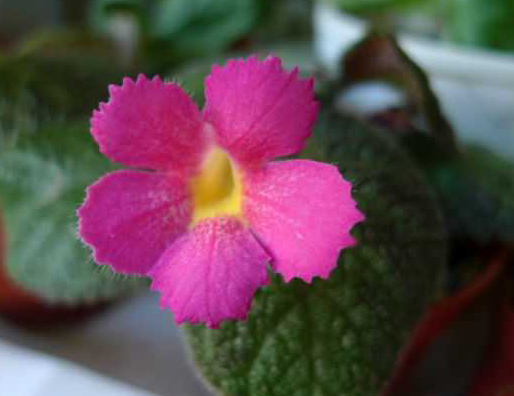
What should be noted when caring for an Episcia?
Episcia is also known as red tongcao. The flowers are solitary in the leaf axils, crimson red, blooming in summer. Common varieties include 'Emerald Queen', with dark green leaves and silver-white midribs; copper-green Episcia, with copper-green leaves and reddish leaf margins; chocolate Episcia, with silver-white main veins, as well as silver-glow Episcia and variegated Episcia, etc.
条件筛选