-
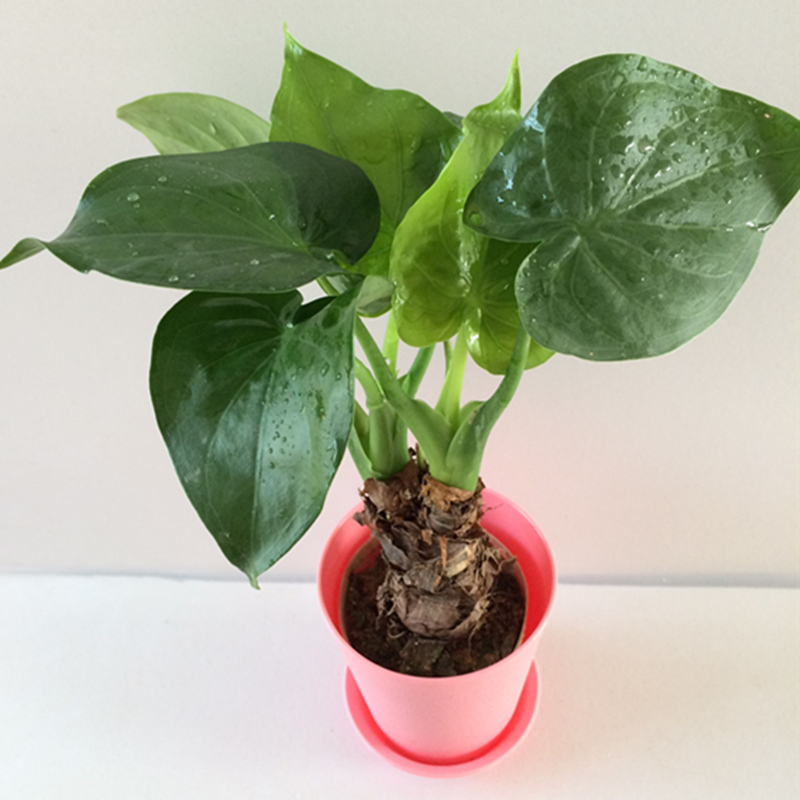
Dumb Cane is poisonous, so extra care is needed when growing and caring for it
Dumb Cane is a trade name, also known as "Dishuilian" and "Foshoulian"; other common names include Langdu (underground stem), Tianhe, Guanyinlian, Xiutiancao, Gehexian, Guanyinyu, Guangdong Langdu Henyutou, Langdu (Guangdong), wild taro, mountain taro, big-root taro, big-worm taro, Tianyu, Tianmeng, and more
-

When does Othonna capensis bloom? Care for it this way to get a full, overflowing pot
In recent years, succulents have become the top choice for many people decorating their indoor spaces, and Othonna capensis is one of them. Othonna capensis is a very common indoor ornamental plant in our daily lives, with excellent ornamental value. So, when does Othonna capensis bloom, and how do you get it to fill out its pot!!
-

What are the key points to note when growing plums? These few points are crucial
Key points to note when growing plums
-
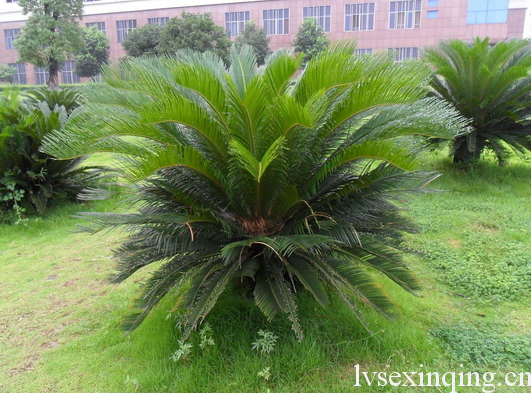
What to Do When Sago Palm Leaves Turn Yellow? Causes and Solutions
Sago palm, also known as cycad or sago cycad, is an evergreen woody plant with slow growth and a basic lifespan of over 200 years. The sago palm has an ancient, simple form, with a thick, sturdy trunk as hard as iron, which is how it got its name. Its leaf tips are sharp like needles, and it is a common large foliage plant.
-
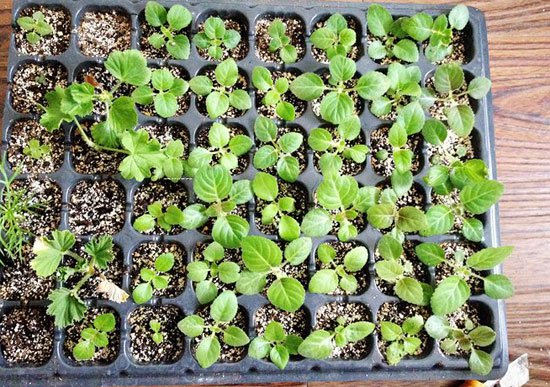
When to sow Gloxinia? A detailed guide to sowing time
Regarding sowing Gloxinia, many flower lovers ask when it is suitable to sow Gloxinia. Theoretically, spring and autumn are the best two seasons for sowing Gloxinia, but in practice, many flower lovers sow it all year round, and they all do so very successfully. Nowadays the conditions for controlling temperature and humidity are very good.
-
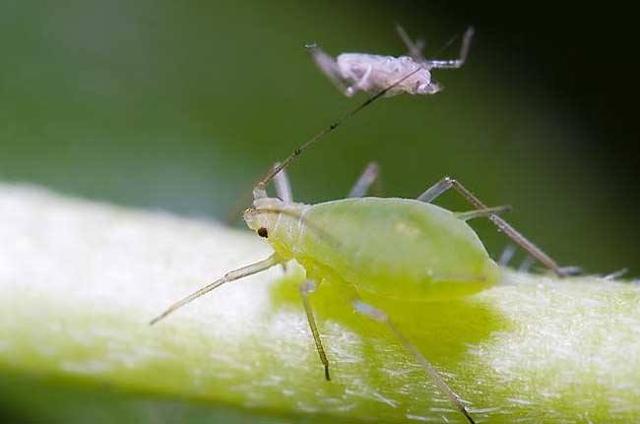
What to Do When Aphids Appear on Flowering Plants? A Summary of Highly Effective Aphid Control Methods
Flowers and plants often attract aphids, and their destructive power is strong. They usually attach to the underside of plant leaves, then suck the plant's sap; the leaves gradually turn yellow, and the plant gradually becomes stunted and cannot grow tall. In severe cases, the flowers may even wither. Spring and autumn are the seasons when aphids are most prevalent.
-

What to Do When Gardenia Leaves Turn Yellow? Causes and Solutions
What to do when gardenia leaves turn yellow? This is the question the editor has heard most often lately about growing gardenias. During cultivation, gardenias are prone to yellowing leaves because of oversights in certain areas (such as improper watering, improper fertilizing, poor light conditions, etc.)
-
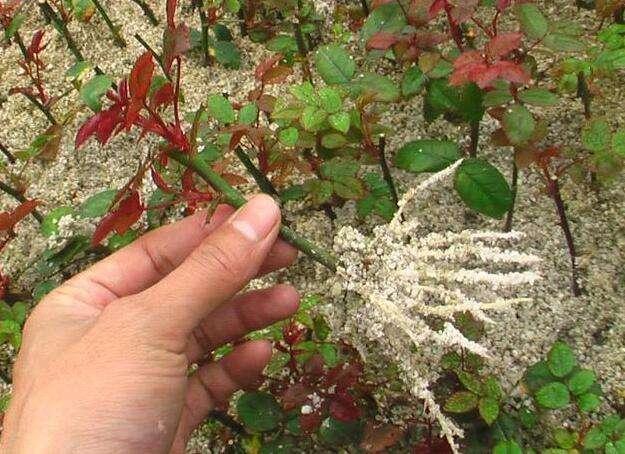
Add these medicines when watering your flowers: no root rot, no yellow leaves, and vigorous blooming
People take medicine when they catch a cold, and sometimes they buy too much and it expires. In fact, these expired little pills can also be used to grow flowers. Today Hua Ye will introduce a few tips for using little pills to grow flowers! Aspirin for growing flowers: aspirin contains salicylic acid, which can promote root growth
-
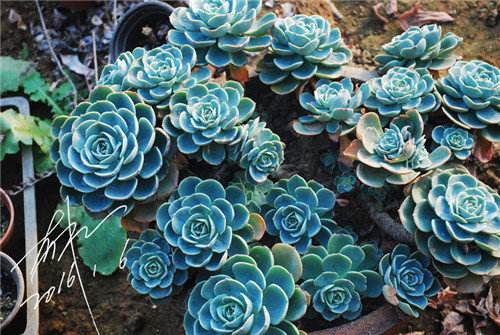
What to Do When Asparagus Fern Leaves Turn Yellow? Teach You the Correct Way to Handle It
Analysis of the Yellowing Leaves of Asparagus Fern, Sun Exposure. Asparagus fern is a semi-shade plant. Many gardening enthusiasts think asparagus fern is not suited to sunlight, so they keep it in a shaded spot for a long time, which is actually a big mistake! Asparagus fern has a graceful form, well-arranged and slender yet upright, and it can purify the air and cultivate the mind.
-
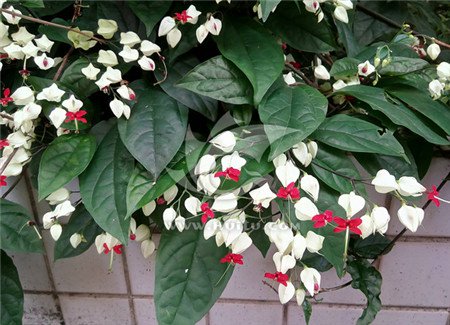
What to Do When Bleeding Heart Vine Leaves Turn Yellow? The Correct Way to Handle It Is Here
What to do when Bleeding Heart Vine leaves turn yellow: in summer, the sunlight is fairly intense, and exposure to the sun is one of the causes of yellowing leaves in Bleeding Heart Vine; in winter, the sunlight is not as intense, but the daylight hours are short, and a lack of light also easily causes leaves to turn yellow. Bleeding Heart Vine (Clerodendrum thomsoniae) prefers a warm, humid, semi-shaded environment with plenty of sunlight, and is not cold-tolerant
条件筛选