-
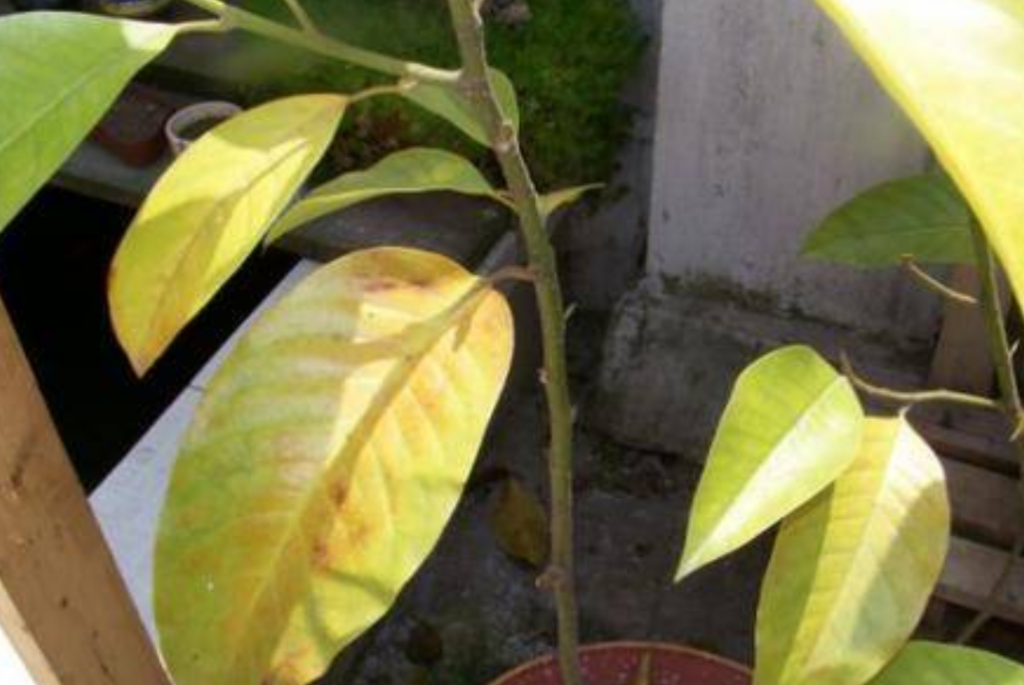
What to Do When Michelia alba Leaves Turn Yellow? Here's How to Fix It
What to do when Michelia alba leaves turn yellow: place the Michelia alba in a spot indoors with plenty of sunlight, raise the temperature, and protect its root system, and it can resume growth in spring. At the same time, stop fertilizing and do not water too much. Michelia alba is a deciduous tree of the genus Michelia in the family Magnoliaceae, reaching 17-20 m tall
-
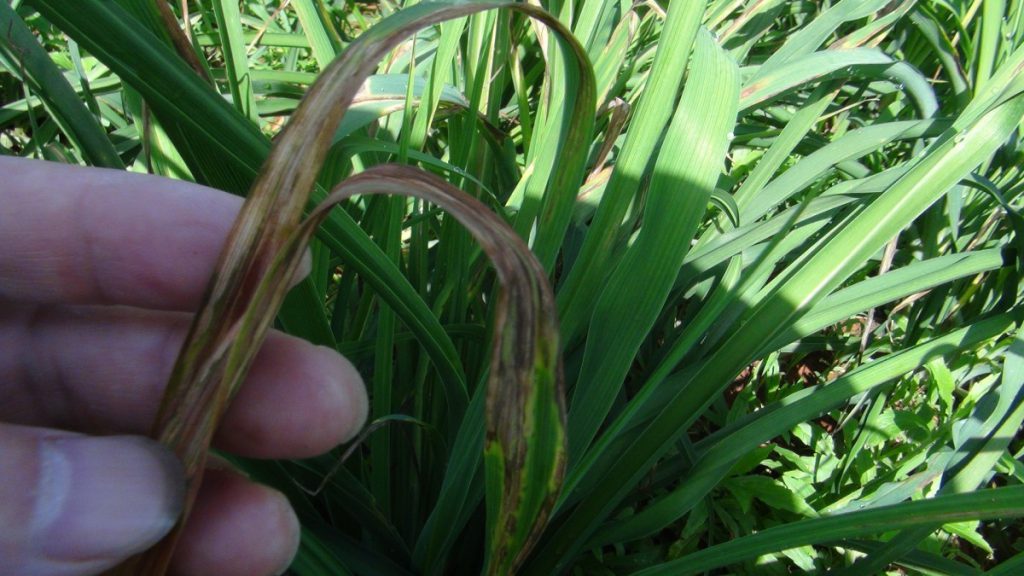
What to Do When Daylily Leaves Turn Yellow? Teach You the Correct Way to Handle It
Daylilies (Hemerocallis) like moisture but are also drought-tolerant, and they love sunlight but also need sufficient light. The most important soil requirement for daylilies is good drainage - keep it moist but not waterlogged. Daylily roots are nearly fleshy, with spindle-shaped swellings in the middle and lower parts; leaves are generally relatively wide; flowers open in the morning and wither in the evening, without fragrance, orange-red to orange-yellow.
-
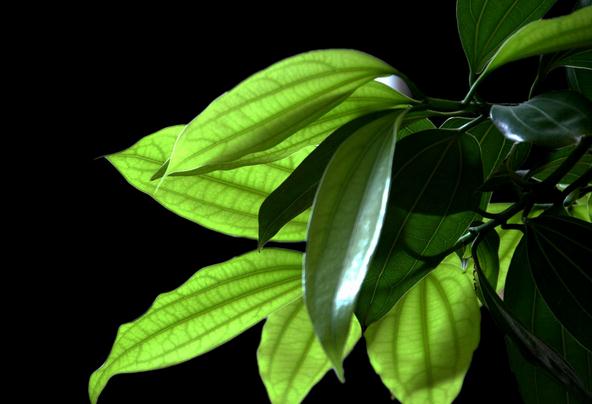
What to Do When a Peace Lily Tree Develops Disease? Symptom Analysis and Treatment Methods
Disease Analysis of the Peace Lily Tree - Anthracnose. 1. Symptoms: It mainly affects leaves at the seedling stage and on mature plants. When leaves are infected, it mostly occurs on the leaf surface, leaf tip, and leaf margin, appearing brown and irregular in shape, and later often expands or merges into large grayish-brown spots with brown, wavy edges; many small black granules form on the lesions
-

When is the best time to fertilize Bletilla striata? Detailed explanation of fertilizing times and methods
Fertilizing times and methods for Bletilla striata
-
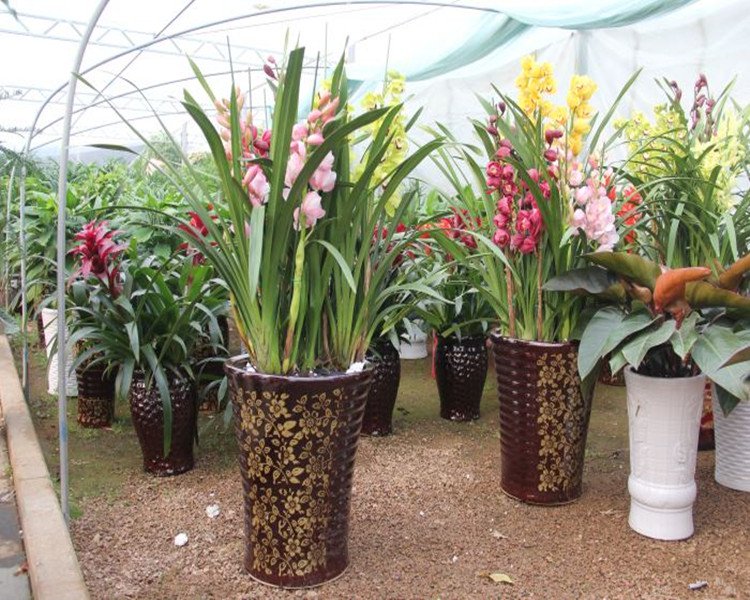
What to Do When Cymbidium Roots Rot? A Few Rescue Methods to Teach You
Cymbidium is a plant that stays evergreen all year round and is very well suited to indoor growing. Cymbidium is an orchid with axial growth, so when choosing a pot you need to pick a tall cylindrical one, the growing environment must have good ventilation, and charcoal and other drainage-friendly material should be added at the bottom of the pot.
-
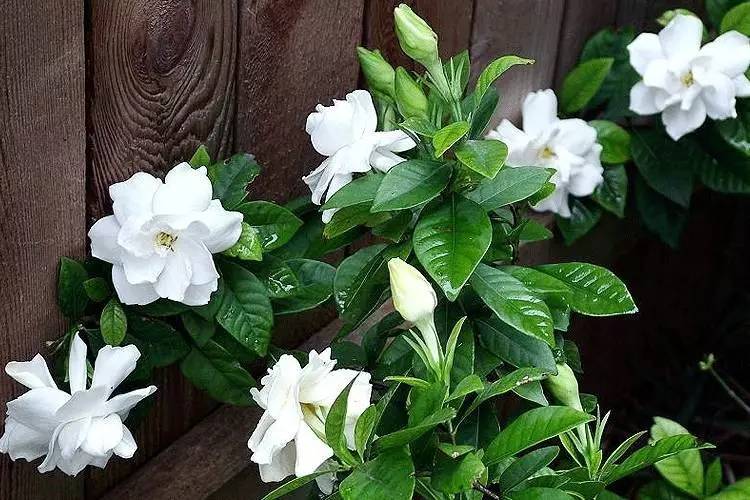
What to Do When Gardenia Leaves Turn Yellow? Causes and Solutions
Gardenia leaves turning yellow: gardeners all know gardenias are hard to grow, and the chance of encountering yellowing gardenia leaves is as high as over 90%. This is mainly because gardenias prefer acidic soil, while in many northern regions the soil and water are alkaline. Gardeners all know gardenias are hard to grow
-
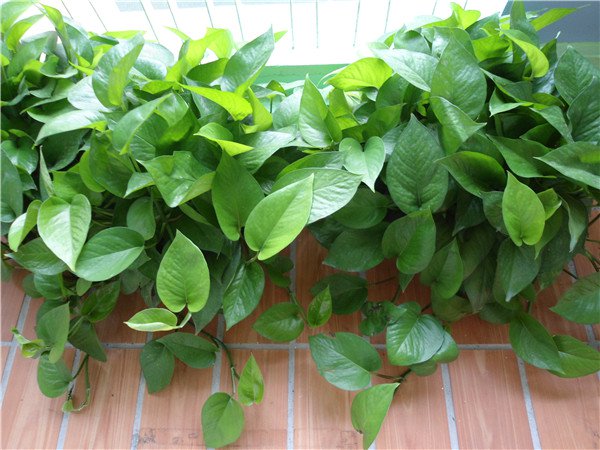
What to Do When Pothos Leaves Turn Yellow? Analysis of 8 Causes and Solutions
When pothos leaves turn yellow, in most plant lovers' homes the doors and windows are kept tightly closed, which prevents indoor air from circulating, and since pothos needs a well-ventilated environment to grow, this causes the leaves to start turning yellow. Yellowing leaves are the most common disease condition in pothos.
-
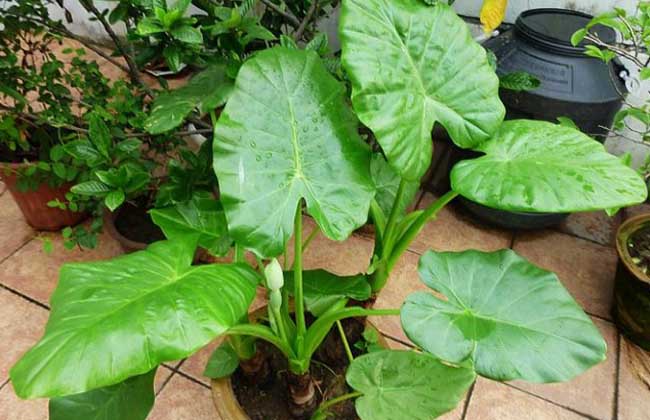
What to Do When Alocasia (Dumb Cane) Leaves Turn Yellow and Roots Rot? Causes and Solutions
When Alocasia leaves turn yellow, dry soil and lack of water can easily cause the leaves to wilt and turn yellow. Solution: During the vigorous growth period from May to September, water once every 2 days, and at the same time, spray more water on the plant surface to increase humidity. In a water-rich, moist environment, Alocasia drips water from its leaf tips and edges
-
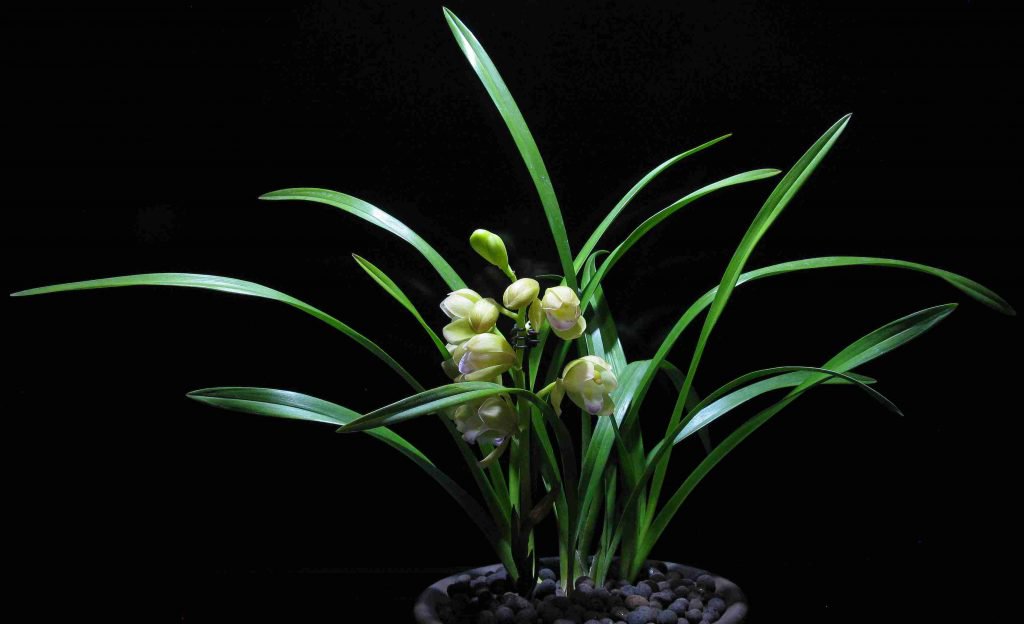
What to Do When Orchid Roots Rot? A Detailed Guide to Remedies and Treatment
What to do when orchid roots rot: choose and mix a good orchid growing medium. The orchid growing medium must drain well and allow air through, moist but not waterlogged, dry but not parched. There are many special orchid growing media on the market today, and they are very suitable, such as Emei Mountain soil from Sichuan and expanded clay from Chongzhou; these all suit the habits of orchids well. Most orchids are not cold-tolerant and prefer cool shade
-
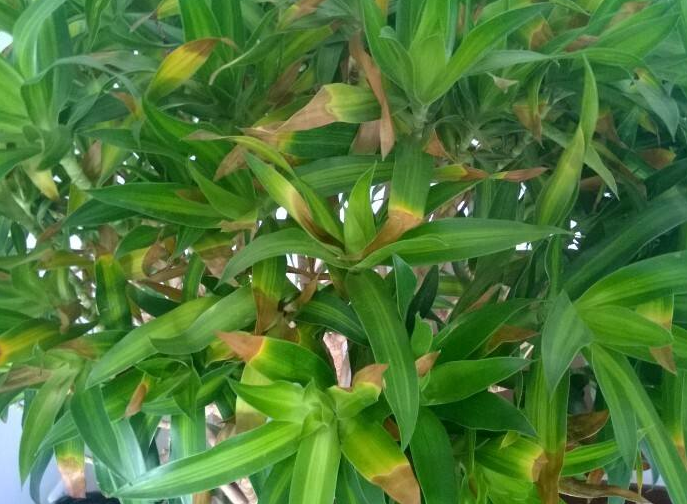
What to do when Dracaena reflexa leaves turn yellow? Here's the correct way to handle it
What to do when Dracaena reflexa leaves turn yellow? In an environment lacking light, the leaves of Dracaena reflexa turn yellow, so simply supplementing light for the plant is the best and most direct solution. Therefore, move the Dracaena reflexa gradually from a shaded spot to a place with light to care for it during its growth process
条件筛选