-

What to Do About Abnormal Mycelium Growth in Edible Mushrooms? Cause Analysis and Preventive Measures
Cause Analysis and Preventive Measures for Abnormal Mycelium Growth in Edible Mushrooms
-
What chemicals are used to kill edible mushroom pathogens in mushroom sheds?
Which chemicals are used to kill edible mushroom pathogens in mushroom sheds?
-
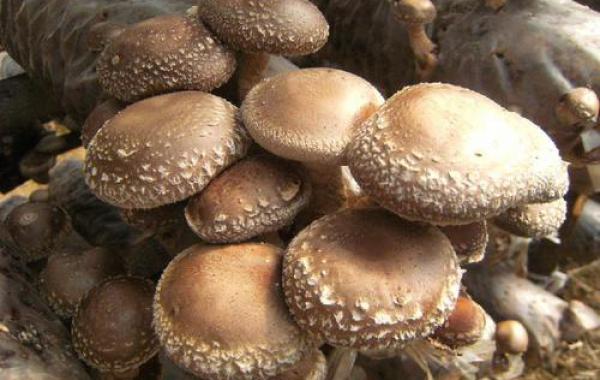
What Are the Grading Standards for Edible Mushrooms? Read This One Article to Understand
What are the grading standards for edible mushrooms?
-
What to Do When Edible Mushroom Spawn Degenerates? Detailed Solutions
What to Do When Edible Mushroom Spawn Degenerates
-
What should be paid attention to during the processing of shiitake mushrooms?
Shiitake mushrooms have long been known as a mountain delicacy, rich in nutrients and delicious in taste. Their dried products (commonly known as dried mushrooms) are classified into flower shiitake, winter shiitake, thick shiitake and thin shiitake. However, because current drying techniques and other methods lag behind, dried shiitake products suffer from problems such as poor color, weak aroma and unattractive mushroom shape, seriously affecting their commercial value. If shiitake mushrooms are processed well, their value can be increased by nearly 1 times. The following discusses the key techniques of processing methods for dried shiitake products: 1. Sun-drying method. Stop spraying water on the mushroom bodies 2 days before harvesting shiitake mushrooms, and choose clear weather
-
What are the precautions for buying mushroom mother cultures?
Through surveys in Pulandian and the surrounding areas, it was found that in actual production most mushroom growers do not buy spawn for direct cultivation, but instead buy mother cultures and propagate the spawn themselves. Although this can save costs, the following points should be noted when purchasing to avoid unnecessary losses. 1. Ask about culture age. When buying mother cultures, first ask about the culture age, which directly affects the quality and finished-product rate of the spawn. 2. Ask about the substrate. Mother cultures grown on different substrates look different; for example, grain-based cultures have denser and whiter mycelium than straw-based cultures, and straw-based cultures with more wheat bran, soybean powder, cornmeal, etc. grow more vigorously than those with less of these supplements. Do not let the nutritional richness or poverty of the medium affect your judgment of culture quality. Judge culture quality according to the different substrates. In addition, relatively nutrient-rich substrates age quickly after the culture finishes growing and should not be stored too long.
-
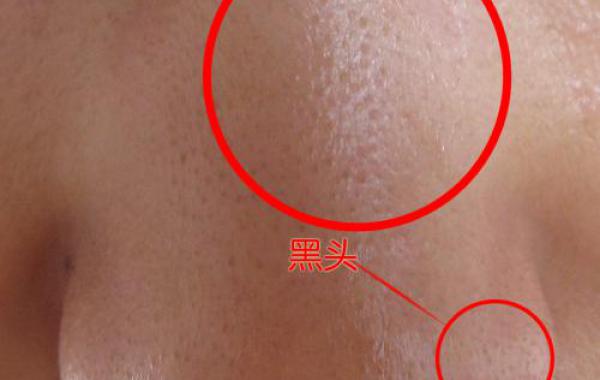
What are some good methods for controlling mushroom mites?
What are some good methods to control mushroom mites?
-
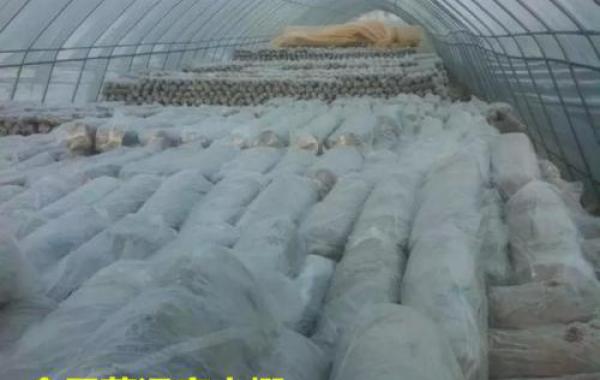
What are the methods for controlling springtails in edible fungi?
How many ways are there to control springtails in edible fungi?
-
What conditions are needed for the growth and development of shiitake mushrooms?
1. Nutrition The shiitake mushroom is a higher wood-rotting fungus. The carbon source it needs for growth comes from lignin and cellulose, and its nitrogen source and inorganic salts come from the bark of bed logs or from wheat bran (rice bran) added to sawdust substrate. After shiitake spawn is inoculated into bed logs (substrate logs), the substrate is decomposed into small-molecule substances that can be absorbed and used by shiitake mycelium, and mycelial biomass increases with longer cultivation time. When the substrate has been fully degraded, the shiitake mycelium has accumulated a large amount of nutrients, laying the material foundation for fruiting body formation. Under suitable con
-
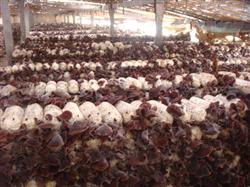
What are the methods for preventing and controlling pests and diseases in wood ear mushrooms?
Symptoms of green mold disease in wood ear mushrooms: After the spawn bags, spawn bottles, the area around the inoculation holes in log wood, and the fruiting bodies are infected by green mold, white slender hyphae first grow on the culture material, log wood, or fruiting bodies. After a few days, conidia can form. Once the conidia form in large numbers or mature, the colony turns green and powdery....
条件筛选