-
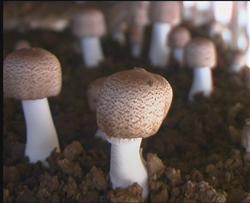
What are the post-harvest management methods for Agaricus blazei?
How do you manage Agaricus blazei after harvesting? Please note that it is more suitable to harvest Agaricus blazei when the fruiting body is 5-15 cm tall and the cap has not yet opened. In one cultivation cycle, Agaricus blazei can produce 3-5 flushes of mushrooms. After each flush is harvested, the mushroom stumps, fragments and other debris on the bed must be cleaned up thoroughly, new soil should be added to any depressions, watering should be stopped, and ventilation should be provided appropriately. Let the mycelium rest for 2-3 days, then resume watering to adjust moisture, cover with plastic film, and begin the fruiting management for the next flush.
-
What are the precautions for growing Agaricus blazei?
What should be noted when growing Agaricus blazei? Netizens, please help explain. If the growing method for Agaricus blazei is not in place, it will affect the fruiting of Agaricus blazei and cause abnormal mushroom emergence; Zhongdiwang has sorted out the key points of Agaricus blazei cultivation based on these two points for netizens' reference. 1. Main factors that affect the fruiting of Agaricus blazei: 1. Mushroom emergence temperature...
-
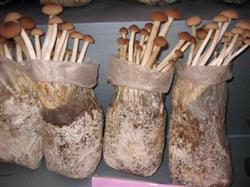
What are the reasons for low yields in tea tree mushroom cultivation?
What causes low yields of tea tree mushroom? What methods can increase tea tree mushroom yields? We also ask experienced netizens to help share. Zhongdiwang has compiled the main factors affecting high and stable yields of tea tree mushroom, for reference as follows: 1. Strain degeneration: tea tree mushroom breeding work is relatively lagging, strain sources are single, and...
-
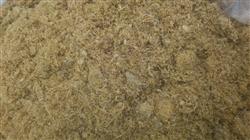
What are the points to note when preparing the substrate mix for tea tree mushrooms?
What should be noted in the substrate mix for tea tree mushrooms? I hope a fellow grower can give some guidance. Factors that easily lead to substandard substrate mix in the tea tree mushroom formula: the bioconversion rate of the tea tree mushroom (Agrocybe aegerita) can reach 133%, meaning that 100 kg of substrate (dry material) can produce 133 kg of fresh mushrooms. Although there are many factors behind substandard yields, one very important reason is improper culture...
-
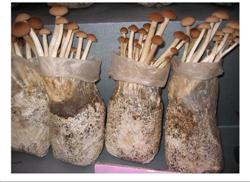
What factors affect the yield of tea tree mushroom cultivation?
What situations affect the yield of tea tree mushroom? Please explain that the factors that lead to reduced yield of tea tree mushroom are mainly the following 4: 1. Strain degeneration: tea tree mushroom breeding work is relatively lagging, strain sources are single, and obvious degeneration has appeared. 2. Unreasonable formula: in tea tree mushroom production, the substrate formula is highly arbitrary, especially the proportion of nitrogen nutrition is not grasped accurately, which seriously affects the yield of tea tree mushroom.
-
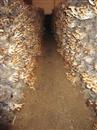
What points should be noted when growing Agrocybe aegerita (tea tree mushroom)?
What should be noted when cultivating Agrocybe aegerita (tea tree mushroom)? Please give guidance. When growing Agrocybe aegerita, the following points should be noted: 1. Cultivation season for Agrocybe aegerita: according to the biological characteristics of Agrocybe aegerita mycelium growth temperature of 10-35°C, optimum temperature 22-27°C; fruiting body formation and growth temperature 16-32°C, optimum 20-28°C, scientifically arrange...
-
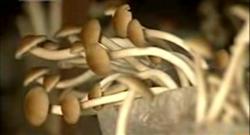
Tea Tree Mushroom Cultivation: What Kind of Environment Is Suitable for Growing Tea Tree Mushrooms?
What kind of environment is suitable for growing tea tree mushrooms? Here is an introduction to the suitable growing environment for tea tree mushrooms (for reference): 1. Growing temperature for tea tree mushrooms: mycelium growth temperature 5-30°C, optimum 21-28°C; fruiting body growth temperature 13-25°C, optimum 22-24°C; different strains have different requirements, and primordium differentiation does not...
-
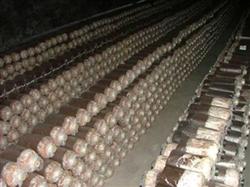
What to Do About Weed Mold Contamination in Tea Tree Mushrooms? A Detailed Guide to Cultivation Prevention and Control Methods
What to do about weed mold contamination in tea tree mushrooms? What methods can prevent and control it? Causes of weed mold contamination in tea tree mushrooms: The contamination rate of weed molds in tea tree mushroom (Agrocybe chaxingu) bags is higher than in other mushrooms. The main reason is the relatively large cultivation volume; generally, a cultivation household makes no fewer than 5,000 bags at a time, with some making 10,000 bags, resulting in a heavy workload, and technical failures occur in links such as mixing substrate, bagging, sterilization, and inoculation.
-
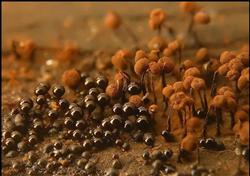
What are the common pests and diseases in bamboo fungus cultivation?
What pests and diseases affect bamboo fungus? What methods can effectively control them? We also ask experienced friends to help explain. The pests and diseases to be controlled in bamboo fungus cultivation are slime molds, smoke mold fungus, slugs, termites and mites. A detailed introduction and control methods are provided below for reference. 1. Harm of slime molds: Slime molds occur on bamboo fungus...
-
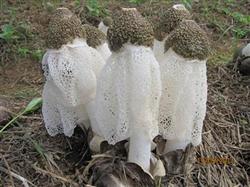
What are the common pests and diseases in Dictyophora (bamboo fungus) cultivation?
What pests and diseases affect Dictyophora cultivation? Please provide an introduction and guidance on prevention and control. Dictyophora is a precious edible fungus delicacy, and during the fruiting body growth period, chemical pesticides are prohibited for pest and disease control. Therefore, pest and disease control should start from environmental factors, focusing on prevention, and adopt comprehensive measures. Reference methods are as follows: (...
条件筛选