-
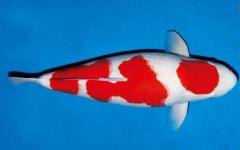
What are the "Big Three" and the "Big Four" Japanese koi varieties? WWD Fish Notes
After koi were made a viral sensation on Taobao last year, koi, after lying quiet for many years, have slowly returned to the public eye. What we call koi generally refers to Japanese koi with distinct characteristics, also known as KOI, while varieties with color that is not vivid are called "local cannons." In other words,
-
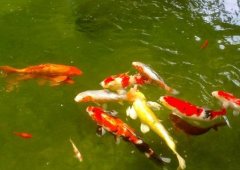
How to raise koi so they grow fast? Causes of Chilodonella and treatment methods
Chilodonella symptoms: During the fry stage, it mainly damages the skin and fin rays. In adult fish, besides attacking the skin, it also heavily infests the gills, oral mucosa and nostrils. When the fish body and gill filaments are irritated by large numbers of pathogens, it causes excessive mucus secretion, which glues the gill lamellae together...
-

How often should you change the water for koi, and how to treat myxosporidiosis
Symptoms of myxosporidiosis: Generally, cysts of varying sizes form on the body surface, under the skin, on the gills, and in the muscles, causing the fish to turn black, become thin, and swim weakly; when the parasites infest the gills, many white cysts are visible to the naked eye on the gills, which damages the gill tissue and affects the koi's...
-
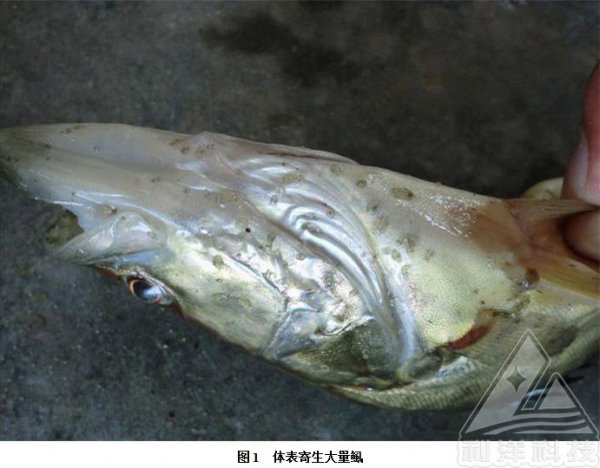
What are the common diseases of koi? Detailed treatment methods for fish lice disease
Symptoms of fish lice disease. Fish lice parasitize the body surface and gills of koi, using their mandibles to tear the epidermis and suck the fish's blood, causing many wounds, which facilitates the invasion of other pathogens and triggers other fish diseases; at the same time, when fish lice pierce the fish body, they introduce the toxins they secrete into the fish...
-
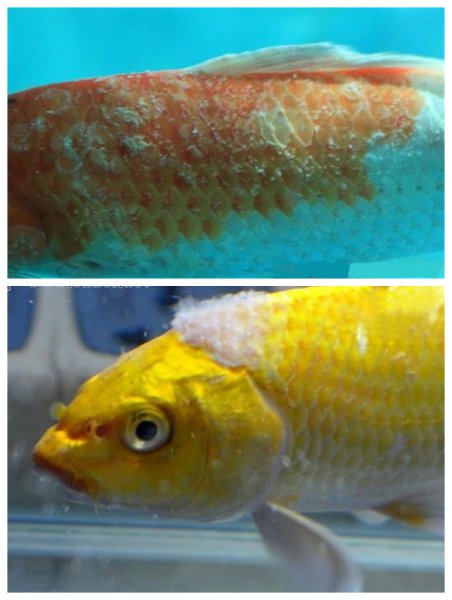
What to Do When a New Koi Lies on the Bottom of the Tank? Causes and Treatment of White Fungus Disease
White fungus disease, also known as saprolegniasis. This disease generally occurs in low water temperature environments below 20°C, and is most prevalent in early spring and late winter. Water molds have no strict selectivity for hosts, and both fish eggs and adult fish are easily infected. Fish in densely stocked overwintering ponds, fish in lean water bodies in spring...
-
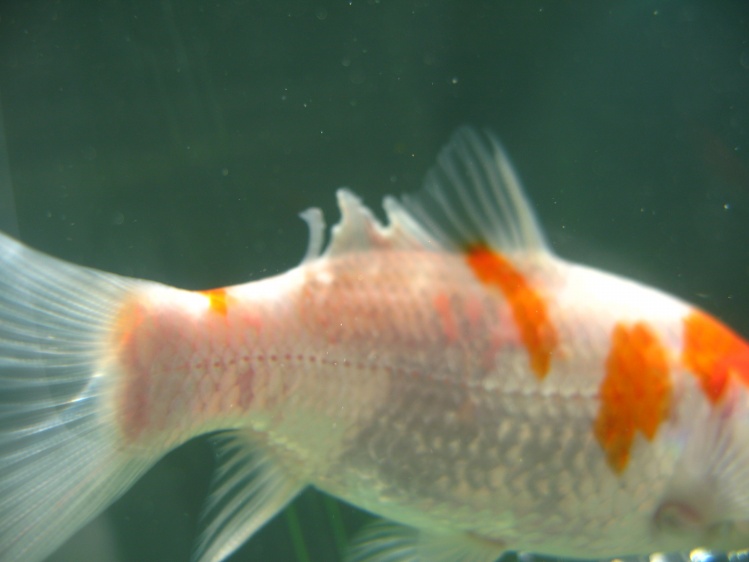
How to Keep Koi Fish? Common Breeding Mistakes and a Complete Guide to the Causes and Prevention of Tail Rot Disease
Koi Tail Rot Disease and Hole-in-the-Head Disease. The disease is contracted through skin infection after the tail fin is injured. Symptoms: In the early stage of the disease, there is a yellow or yellowish-white viscous substance on the outer edge of the fin and the caudal peduncle; then the tail fin and caudal peduncle become congested, inflamed and ulcerated. In severe cases, the tail fin rots away, and the ulcerated area...
-
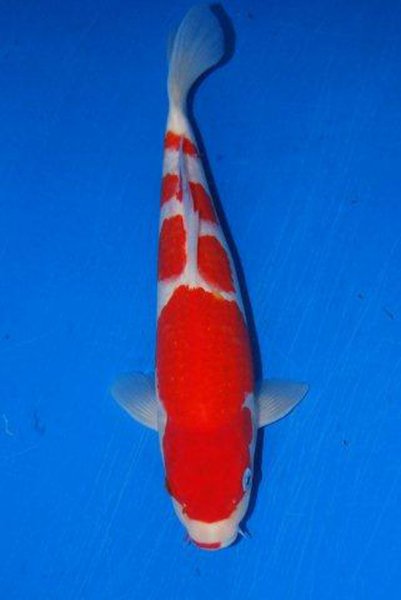
How do you keep koi fish so they don't die easily? Appreciation of the Lipstick Kohaku koi
The most memorable is the Kohaku; the beauty of the Kohaku lies in its red being clear and its white being crystalline. Its red is judged by elegance of style, so a bright, clean, and lucid red is considered top grade. Its white must be white as snow, giving a sense of purity. The reason its white is alluring is that it contrasts with stray colors such as yellow or black...
-
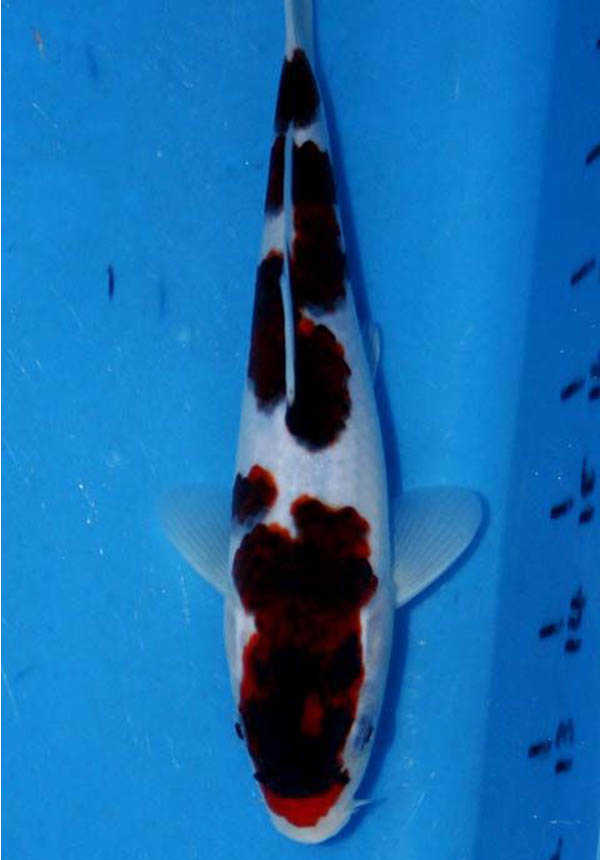
How to choose koi? Master the markings of Kohaku koi in three minutes
Five-color koi are produced by crossing Kigoi (yellow koi) with Sanke koi, and are named five-color because they carry white, red, black, and indigo; when it comes to Shiro Goshiki, the type with a beautiful red pattern is especially preferred. In recent Shiro Goshiki, rather than having the red pattern marred by black speckled markings, most feature blue emerging on a white base. The...
-
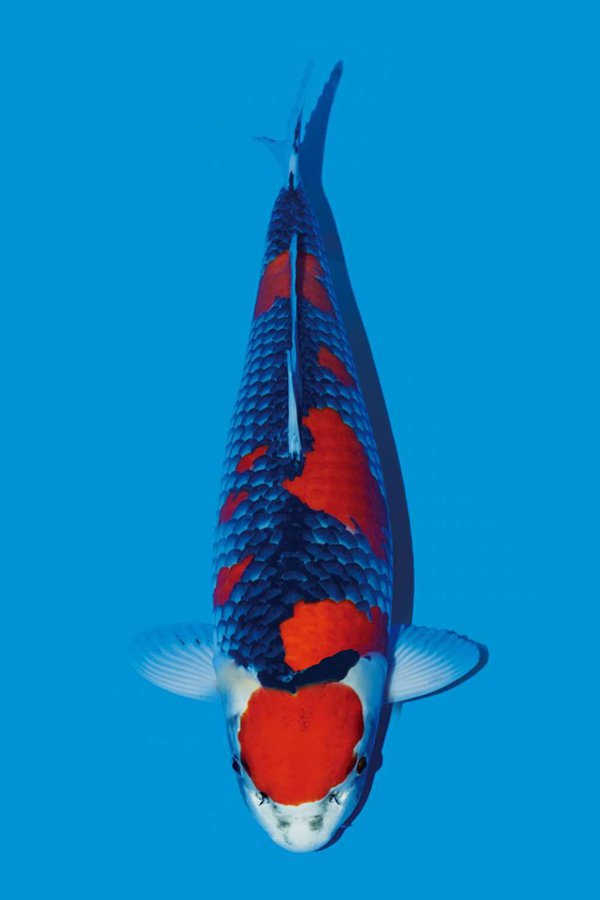
A detailed guide to the living habits of Five-Color Koi, and how to keep them so they do not die easily
Five-Color Koi are produced by crossing Pale Yellow Koi with Tricolor Koi, and are named "Five-Color" because they carry white, red, black, and indigo on their bodies. Among White Five-Color koi, those with a particularly beautiful red pattern are considered the best. In recent White Five-Color koi, rather than polluting the red pattern with black speckled markings, most show blue emerging on a white base. What is...
-
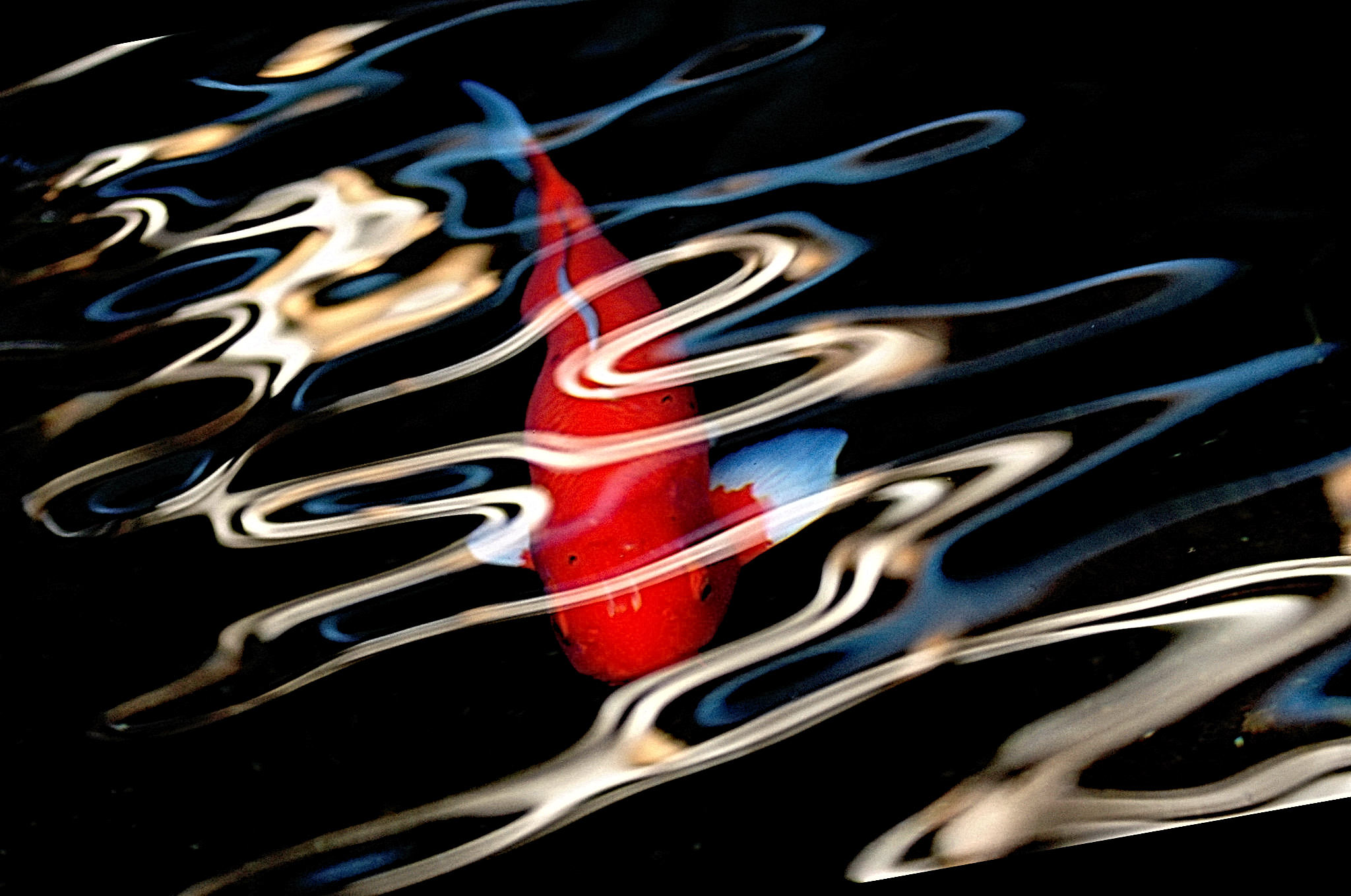
How Are Koi Scored? A One-Minute Guide to the Life and Breeding Habits of Koi
Lifestyle Habits The suitable water temperature for koi is 530°C, with the optimum temperature being 2025°C, but they are not very adaptable to rapid changes in water temperature. If the temperature rises or falls by more than 3°C, the fish will become ill; if it exceeds 10°C, the fish will die. They can be kept in water with a pH of 6.88.0...
条件筛选