-

How to solve the troubles of edible fungi? Four methods - trapping, fumigating, spraying and treating the substrate - come to the rescue
Trapping, fumigating, spraying and substrate treatment relieve the "troubles" of edible fungi
-
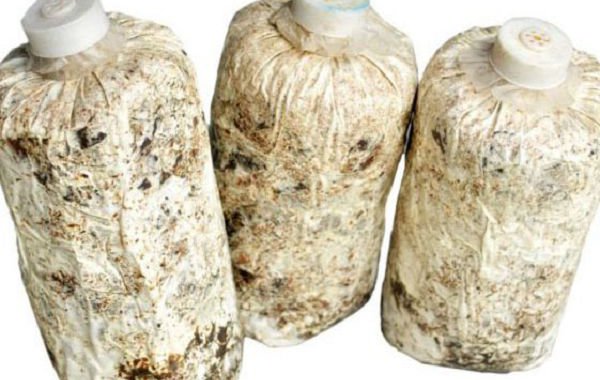
How to solve mushroom spawn contamination? Master these key points
Several key points for solving mushroom spawn contamination
-
How to Resolve the Contradiction Between Heating, Moisture Retention and Ventilation for Edible Mushrooms in Winter
Cleverly Resolving the Contradiction Between Heating, Moisture Retention and Ventilation for Edible Mushrooms in Winter
-
How to solve the problem of dead mushrooms in straw mushroom cultivation
Causes of dead mushrooms in straw mushroom cultivation: poor coordination between ventilation and moisture retention in the mushroom house. Straw mushrooms are aerobic fungi and need plenty of water; too much ventilation easily leads to water loss and death. Insufficient ventilation easily leads to excessive carbon dioxide and death from oxygen deprivation. Sudden temperature changes in the mushroom house. If ventilation and cooling are not carried out early enough during prolonged high temperatures, or if too much well water is sprayed on the floor, the temperature drops too quickly, and the small mushrooms cannot withstand the sudden temperature change and die in batches. Poor spawn quality and damage from pests and diseases. Spawn of the proper age dies after aging because it cannot be cultivated in time. If the mycelial vigor is poor, nutrient accumulation after spawning is insufficient, and the mushrooming
-
How to reduce contamination in edible mushroom inoculation? Five practical methods to help you solve it
Autumn and winter are the golden seasons for producing edible mushrooms, but every year, inoculation contamination causes economic losses of around 20% for mushroom growers. Using the following 5 methods can reduce the inoculation contamination rate. 1. Bottled fermented material: Fill fermented material 1 to 2 cm deep above the culture medium at 4 cm from the bottle mouth, then sterilize. Its advantages are that contaminating bacteria are less likely to infect the culture medium, and the spawn age is consistent. 2. Wheat grain germination method: Let wheat grains germinate before bottling and sterilizing. That is, let the wheat grains used for spawn germinate all at once, with sprouts 1 to 2 times the length of the wheat grains, then fully sun-dry and store. One day before making the spawn, soak the wheat grains for 12 hours and directly bottle and sterilize. Its advantages are that the process of boiling the wheat grains is omitted, mycelium grows quickly, and there are fewer contaminating bacteria. The contamination rate is 2% to 3%.
条件筛选