-
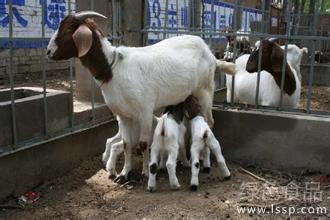
How should ewes in late pregnancy be fed to be reasonable?
Reasonable feeding methods for ewes in late pregnancy
-
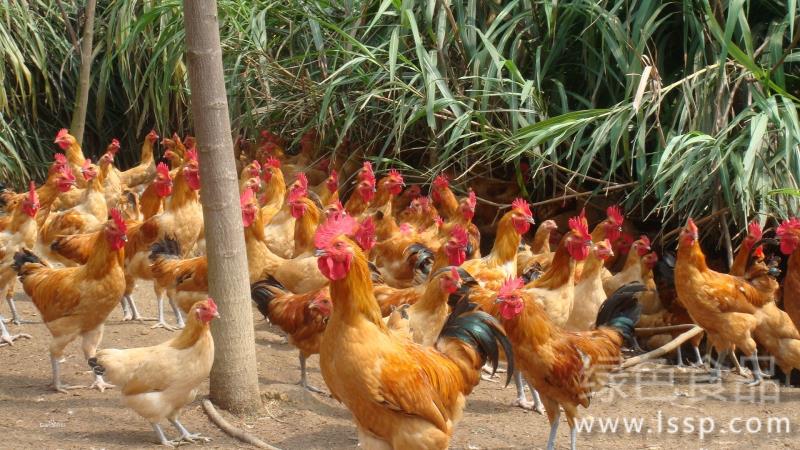
How should free-range chickens be raised and managed during the laying period to ensure the laying rate?
Key points for feeding and management of free-range chickens during the laying period to ensure the laying rate
-

In early winter, laying ducks are prone to "reverse molting", so farmers should beware of a drop in egg production rate
"Reverse molting" in laying ducks refers to female ducks raised in spring that enter the laying period in November, when the temperature gradually turns colder, and the day-night temperature difference is too large or nutrition is insufficient, causing ducks that have just started laying to stop producing and go on "vacation". If laying ducks begin "reverse molting", they start to molt, and once molting begins they will not lay eggs again until the following spring. If duck "reverse molting" can be controlled during this period, the laying period can be greatly extended and the economic benefits of duck farming increased. When ducks show signs of "reverse molting" such as eggs becoming smaller, eggshells becoming thinner, delayed laying time, wet feathers after drinking water and coming ashore, and crowding into the duck house, measures should be taken promptly
-
What should you pay attention to when eating fish head? These points need to be understood
Professor Wang Cunxin, a fish research expert at the Institute of Oceanology, Chinese Academy of Sciences, introduced that China has four major domesticated fish, namely black carp, grass carp, silver carp and bighead carp. Silver carp is also called silver carp or white silver carp. Among bighead carp, spotted bighead carp is more common, and the fish heads we usually eat in restaurants are mainly white silver carp and spotted bighead carp. The reason these two fish are used for fish head dishes is, first, because they grow quickly and can be artificially farmed; second, because black carp and grass carp mainly eat grass, while silver carp and bighead carp mainly eat plankton, so they naturally have more meat than the former two. The head of white silver carp, especially spotted bighead carp
-
Which sulfonamide drugs should be used with caution in the treatment of infectious coryza in chickens?
The pathogen of infectious coryza in chickens is Haemophilus paragallinarum, and it is an acute upper respiratory tract disease with highly contagious transmission. The disease is prone to epidemics in humid seasons, mostly involves mixed infections, and the incidence is high in adult chickens. Symptoms: nasal discharge, which forms scabs after drying and blocks the nostrils. Facial swelling, mostly swelling on one side of the face, head shaking, closed eyes and listlessness, tendency to lie down, decreased feed intake, decreased egg production, and greenish watery droppings. Some chickens show respiratory symptoms, coughing, sneezing, etc. Treatment: sulfonamide drugs are highly effective, but they
-
How should rice seedling beds be managed to cultivate strong seedlings?
I. Water management in seedling beds: For dry-raised seedlings, generally no supplemental water is needed during the seedling stage. Adhere to dry raising and dry management to improve the drought tolerance of the seedlings. At the same time, pay attention to watering well three times: water thoroughly with "bottom moisture water" before sowing, water well with "film-removal water" when removing the film, and water well with "leaf-rolling water" during drought. At the 1-2 leaf stage, control water appropriately to promote downward growth of seminal roots; at the 2-3 leaf stage, pay attention to supplemental water to prevent seedling death; after the 3-4 leaf stage, strictly control water and use dry raising to cultivate physiologically strong seedlings. To prevent excessive rainwater from making dry raising and dry management impossible, small arched sheds or greenhouses can be used to strictly control water for dry raising.
-
What should be noted when herding ducks in spring?
Choose good grazing grounds. During spring plowing, in rice-growing areas, ducks can be grazed in green manure fields that have been plowed and are being prepared for transplanting rice seedlings. Such fields contain plenty of natural plant and animal feed, such as grass seeds, grass roots, earthworms, and insects. After the rice seedlings are transplanted, ducks should not be taken into the fields to graze; grazing can resume only after the rice is harvested. Graze carefully. In river network areas, make full use of river channels for grazing. Generally, when taking the ducks out to graze, it is better to go upstream, when the ducks are full of energy and catch more food. In the cold spring season, when windy weather occurs, graze against the wind to prevent the wind from lifting the ducks' feathers and causing them to lose too much body heat. In areas with abundant feed
-
What are the common diseases of geese? Goose farmers should know them in advance
1 Infectious diseases 1.1 Gosling plague is an acute septicemic infectious disease of goslings. Affected geese are depressed, have complete loss of appetite, severe diarrhea, and sometimes show neurological symptoms. This disease mainly affects goslings aged 4 to 20 days. In the early stage of illness, appetite decreases, the bird is listless, the neck is drawn in, the feathers are fluffy, it stays apart from the flock, and walking is difficult; then appetite is completely lost, severe diarrhea occurs, and thin droppings mixed with bubbles or watery yellow-white or yellow-green feces are passed; nasal secretions increase, the head is shaken, fluid is flung from the corners of the mouth, and the beak and webs become cyanotic. Prevention is mainly disinfection
-
How Should Honey Be Packaged and Stored? Key Technical Points Explained
1. Packaging of honey. Honey is a weakly acidic liquid that can oxidize metals, so non-metallic containers such as vats, wooden barrels and plastic buckets should be used for packaging, and dedicated packaging containers must be thoroughly washed and dried. In areas with high honey yields, honey storage tanks can be established, and wooden barrels or water vats may also be used for storage; the barrels and vats used should be free of off-odours. Packaged honey must not fill the container completely; especially during transport, 25%-30% of the space should be left to prevent the honey from fermenting and overflowing, or from bursting the container when heated and shaken.
-
Why should high-quality queen bees be used in beekeeping?
In using high-quality queen bees, three main aspects should be considered: selecting Chinese bee (Apis cerana) breeds with excellent breed characteristics and production performance, using new queen bees, and preventing the degeneration of the Chinese bee breed used. Using queen bees with excellent traits is the guarantee for strong colony rearing of Chinese bees. In Chinese bee rearing, breeds should be selected that have characteristics such as strong egg-laying ability of the queen, strong colony strength, weak swarming tendency, high yield, and strong disease resistance (especially resistance to Chinese sacbrood disease). Excellent queen bees can be obtained through bee breeding production departments, but it must be noted that introduced queen bees should be able to
条件筛选