-

-
-
-
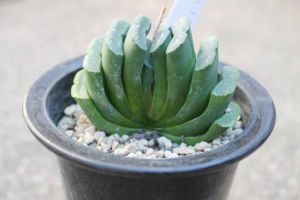
What to do when succulents get black rot or turn to mush? One trick saves them, no worries about summer
Lately, many gardeners' succulents have been showing black rot, turning to mush, and dropping leaves. This is not a good sign, so be careful, your little succulents might not make it to summer!
-

Don't rush to throw away your Phalaenopsis orchid - one snip and the blooms keep coming, and neighbors will be lining up to ask for one
During the Spring Festival, many people buy a Phalaenopsis orchid to take home, as it is festive and beautiful. After the Spring Festival, once the flowers fade and the plant no longer looks attractive, many people choose to throw it away. However, with careful care, a Phalaenopsis orchid that has finished blooming can still bloom again. Today, Huahua will teach everyone how to care for a Phalaenopsis orchid properly.
-
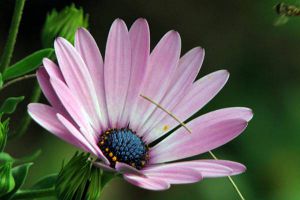
How to water the blue-eyed daisy (Arctotis)? The correct method explained clearly in one go
In summer, choose the cooler morning and evening hours to water; in spring and autumn, water at 9 a.m., 3 p.m. or in the evening; in winter, water at the warmer midday. Each time you water, water thoroughly, and be careful not to let too much water touch the stems, but do not let water accumulate either. After watering, it is best to move it to a cool, ventilated spot to slow down water evaporation. If water accumulates in the pot, promptly pour out the excess water or simply repot it, otherwise root rot will kill the plant.
-

10 kinds of flowers that must never be sprayed with water on their leaves - spray one and it dies!
Once spring arrives, many flower lovers just can't hold back and always want to spray their plants with water. But some flowers and succulents cannot be sprayed with water on their leaves, otherwise it will cause rotten leaves, rotten cores, and even complete death. So today, Huahua is here to talk about exactly which flowers cannot be sprayed with water on their leaves!
-
-
-
条件筛选