What Is Lemongrass? A Complete Guide to Lemongrass in One Article
Lemongrass is the collective name for about 55 species of aromatic plants in the genus Cymbopogon of the grass family, also called lemongrass, and is one of the common aromatic herbs. Because it has a lemon aroma, it is also called lemon grass.
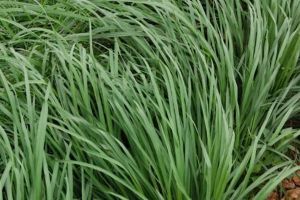
Other Names for Lemongrass
Lemon grass
Habits of Lemongrass
Lemongrass is native to the tropical regions of Southeast Asia and prefers a hot, rainy climate; it grows well in areas with no frost or little frost.
Because its root system is well developed, it tolerates drought and poor soil, and its growth is relatively extensive.
Temperature is the limiting factor for the distribution of lemongrass in China; as soon as there is light frost, the leaf tips begin to suffer cold damage, and when the temperature drops to -1.8°C, almost all the leaves are damaged.
Therefore, in places with a long period of low winter temperatures and severe frost damage, it is difficult for it to overwinter. Lemongrass generally must be renewed once every 3 years of planting.
Effects of Lemongrass
It has a fairly good effect in treating rheumatism, treats migraine, fights infection, improves digestive function, deodorizes and repels insects. It fights infection, tightens the skin, and regulates oily and unclean skin.
It imparts a fresh feeling and restores physical and mental balance (especially in the stage just after recovering from illness).
It is the most widely used essential oil in aromatherapy and medical methods. It can also be used indoors as an aromatic.
The Flower Language of Lemongrass
Love that cannot be spoken
For more professional agricultural science and technology information, please scan the code to follow WeChat: NongXunNET

Please indicate the source when reprinting.