-

How do schools view the SDGs? A documentary observation of XPBL at the 2021 KIST Summit
[141] Documentary observation of SDGs XPBL at the 2021 KIST Summit: How do schools view the SDGs
-
Three Observations for Fertilizing Flowers and Precautions for Soilless Cultivation
Fertilizing flowers requires "three observations"
-
How do you feed rabbits well? Mastering the seven observations is key
The "seven observations" method for feeding rabbits well
-
Feeding laying ducks requires attention to detail: master the four-observation technique for scientific feeding
The "four observations" technique for feeding laying ducks
-
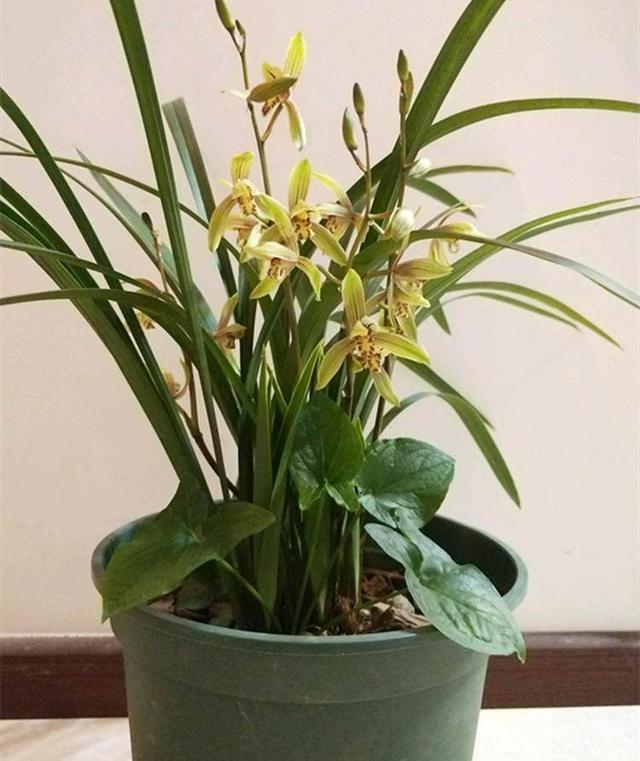
Orchids require careful observation through 4 stages from sprouting to blooming
Orchids have an elegant image, and from leaves, buds, and flowers to the whole plant, they all have high ornamental value. Therefore, the main key to growing orchids lies in understanding their growth and development patterns, from sprouting, leaf growth, growth, flowering, dormancy, and so on...
-
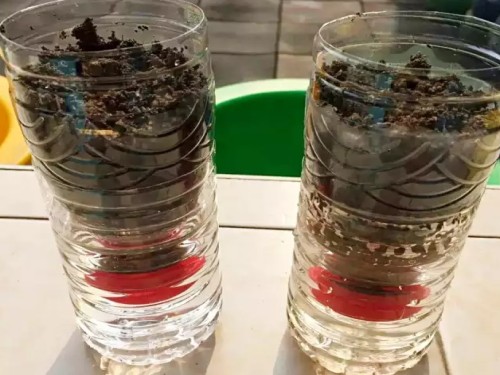
Impatiens Observation Diary: A Full Record of the Planting and Growing Process
Spring is a good season for sowing impatiens. On March 15 I planted the impatiens seeds. (Cut a beverage bottle open at the 1/3 point, punch a few holes in the bottle cap, put water in the bottom of the bottle, fill the bottle neck with loose soil, plant the impatiens seeds, and invert it into the bottle bottom; this keeps the soil moist.
-
Ten observations for silkworm disease prevention and control: remember these ten key points when raising silkworms
1. Observe the development of the colony. When the ants are collected, the hatching is uneven, the ant silkworms are uneven in size, with big heads and small tails, spin a lot of silk, and crawl around the rearing seat, indicating a weak constitution. During rearing, touch the silkworm body with your hand or lift the silkworm up; if the silkworm contracts and resists, it is healthy; if it has no reaction, it indicates a weak constitution. In the large silkworm stage, touch the silkworm body flatly with the back of your hand; if it feels cold, it is a healthy silkworm; if it feels damp and hot, it indicates that the constitution is not strong. 2. Observe the posture before and after molting. When a healthy silkworm is about to molt, its head and thorax are raised, and molting is uniform. If it does not enter sleep for a long time, and after entering sleep its head
-
Observation of the embryonic development process of Neosalanx taihuensis
In order to master the artificial breeding technology of Neosalanx taihuensis and improve the success rate of stock enhancement and release of icefish, we conducted systematic observation experiments on the development process of fertilized eggs of Neosalanx taihuensis. The experiment report is as follows: 1. Materials and Methods 1. Materials: The fertilized eggs of Neosalanx taihuensis used in the experiment were obtained from the artificial breeding base of Neosalanx taihuensis at Xintang Bridge, Zhicheng Town, Changxing County, and the incubation water was filtered water from Basan Reservoir. 2. Time: April 30 to May 13, 1999,
-
How to water button mushrooms? Mastering the five key points of observation is essential
First, observe the weather conditions. In sunny and dry weather or when the temperature is suitable, water more; in rainy weather or when the temperature is too high or too low, water less or stop watering. Second, observe the mushroom house conditions. Mushroom houses with serious air leakage and poor insulation should be watered more and ventilated less; mushroom houses with little air leakage and strong moisture retention should be watered less and ventilated more...
-
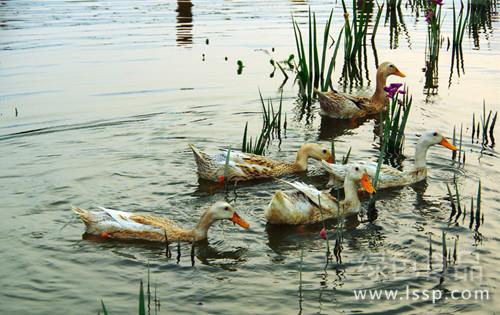
Supplementary feeding for laying ducks must be done according to the symptoms; master the four observation techniques
Supplementary feeding must also be done according to the symptoms. To supplement feed for laying ducks, you need four observations
条件筛选