-
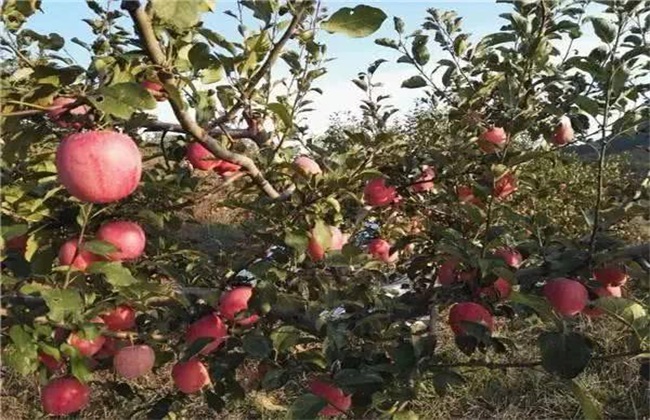
Detailed Explanation of Apple Tree Management Techniques for May
Key Apple Management Techniques for May
-
Elderly nosebleeds in winter: Eating more fruits and vegetables won't help, beware it may be a warning sign of disease
Recently, Old Dai has had a problem: frequent nosebleeds. At first he thought it was caused by the dry winter weather and eating foods that cause internal heat. At the Cardiology Department of Changsha Third Hospital...
-

What variety is Mayfire nectarine? What are its characteristics?
In 1980, it was developed by the California Horticultural Experiment Station of the United States Department of Agriculture through embryo culture from naturally pollinated young embryos of Armking. In 1989, it was introduced to the Zhengzhou Fruit Research Institute of the Chinese Academy of Agricultural Sciences. The fruit is oval, with symmetrical halves and a slightly protruding apex; the average single fruit weight is 75 g, and the largest fruit weighs 110 g; the ground color of the skin is orange-yellow, fully covered with red, glossy, and attractive in appearance, and the skin peels easily; the flesh is firm-melting, yellow, without red pigment, medium-much juice, aromatic, with a flavor more sour than sweet;
-
Introduction to the main characteristics of the peach variety Mayfire
Bred by the USDA Horticultural Experiment Station in California from natural seedlings of Armking embryos through embryo culture. Introduced in 1989 to the Zhengzhou Fruit Research Institute of the Chinese Academy of Agricultural Sciences. The fruit is oval, with two symmetrical halves and a slightly protruding tip; average single fruit weight 75 g, maximum fruit weight 110 g; the skin's ground color is orange-yellow, fully covered with red, glossy, attractive in appearance, and the skin peels easily; the flesh is firm-melting, yellow, without red pigment, moderately juicy, aromatic, with a flavor more sour than sweet; soluble solids 8.8%. Clingstone. The tree is relatively vigorous, with a
-
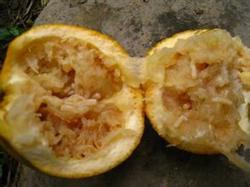
May control methods for the Chinese citrus fruit fly
The Chinese citrus fruit fly, commonly known as the citrus maggot, and the damaged fruit known as maggot fruit, was a nationally quarantined pest before 2009. It damages four citrus types: pomelos, sour oranges, navel oranges, and mandarins (loose-skin citrus), with sour oranges and sweet oranges suffering the most severe damage. Its larvae tunnel through and feed on the segments inside the fruit, causing the fruit to turn yellow before ripening, with red tinges amid the yellow, and the damaged fruit severely...
-
Detailed Explanation of Key Points for Scientific Management of Lychee in May
Rainy weather in May will bring difficulties to lychee management. Therefore, for early and mid-season varieties, the following management suggestions are proposed for the reference of fruit growers. Early-maturing varieties, such as Sanyuehong, are now entering the coloring stage. The focus is on controlling the lychee fruit borer and lychee downy blight. Low-toxicity and high-efficiency pesticides should be used to help...
条件筛选