-

Dichondra is non-toxic and can be used as medicine; master the key points of sowing and caring for trailing dichondra
Dichondra is non-toxic and can even be used as medicine, with effects such as protecting the liver and lowering enzymes. For trailing dichondra, spring sowing in April-May is best, the suitable temperature is 21°C, seeds are soaked for 4 hours, and they sprout 7-10 days after sowing. This article shares the sowing method and key points for fertilizing, watering and care.
-
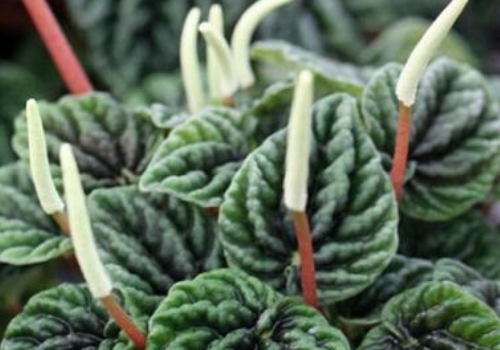
What to Do When the Leaves of the Crispate Peperomia Wilt? Master the Care Tips
The name "crispate peperomia" immediately brings to mind its characteristic wrinkled appearance. What should you do when the leaves of the crispate peperomia wilt? Care tips: What to do when the leaves of the crispate peperomia wilt: it may be a water problem, and hydroponic flowers must pay close attention to water. Hydroponic flowers are different from soil-grown ones; they grow on the nutrients in the water.
-
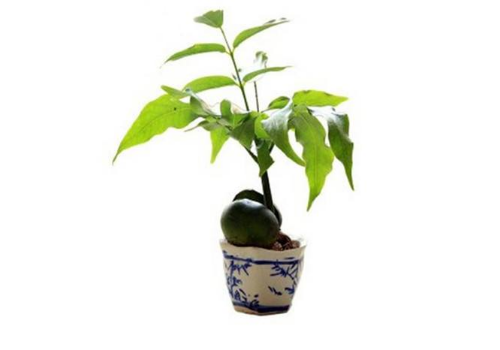
What to Do When Green Yuanbao Leaves Turn Yellow? Master These Planting Precautions
Green Yuanbao is a small ornamental plant. What should you do when its leaves turn yellow? Planting precautions: What to do when Green Yuanbao leaves turn yellow: 1. Cause: Exposure to direct sunlight. Green Yuanbao prefers a shady environment and dislikes harsh sun exposure, especially when kept indoors for a long time; if exposed to strong sun, the leaves will turn yellow and black.
-

Detailed explanation of key points for bullfrog farming, master the core farming techniques
Key points for bullfrog farming
-

A Detailed Guide to Planting Crape Myrtle: Even Beginners Can Master It Easily
How to Plant Crape Myrtle
-
How to grow lingzhi? These cultivation methods you need to master
Q: As a new variety of ornamental flower - lingzhi (Ganoderma), it is increasingly sold in flower markets, but because people do not know how to cultivate it, they love it in their hearts but dare not buy it. How should lingzhi be cultivated? A: Lingzhi has been known in China since ancient times as a "miracle cure" and "auspicious herb," with high medicinal value. As an ornamental, it has only attracted people's attention in recent years. Actually, it is merely a large wood-decaying fungus, belonging in fungal taxonomy to the family Polyporaceae, genus Ganoderma. China has about 40 species,
-
How are tulips cultivated and managed? These technical points need to be mastered
1. Preparation before planting First check whether the tulip bulbs have pests or diseases. If they are already infected or beginning to rot, they must be removed and burned. After removing diseased bulbs, soak the bulbs in a fungicidal solution for disinfection, for example, soak in a 600-fold chlorothalonil solution for 20-30 minutes. Around mid-August, cut open 3-4 tulip bulbs and observe the development of the internal nose (that is, the already differentiated flower stem). Those with a nose 3-4 mm long, ivory-colored and firm are good; whitish ones are not considered good, and flat ones are also not ideal. Choose a humus-rich
-
How to prevent and control soybean root rot? These methods you need to master
1. Choose disease-resistant varieties. 2. Rotate with non-host crops such as corn, foxtail millet, and sweet potato. 3. Apply farmyard manure, potassium fertilizer, phosphate fertilizer, etc. when sowing. 4. Apply metalaxyl granules when sowing so that soybean roots can absorb them to prevent root infection. 5. Before sowing, dress seeds with 35% metalaxyl powder at 0.3% of seed weight. 6. Strengthen field management, carry out timely deep plowing and intertillage hilling and weeding, and drain standing water promptly after rain to prevent excessive humidity. 7. When diseased plants are found, pull them out promptly, thoroughly remove the diseased plant residues, and apply quicklime to the planting holes and
-
Tulip flower-preserving secrets: master these methods for more brilliant blooms
1. Before placing the tulips you bought into a vase, first use a sharp knife to cut a long, thin slit at the lower part of the stem, so the flowers can absorb water more easily. 2. Unlike most cut flowers, as long as there is plenty of fresh water, tulips do not need any other flower nutrients. Change the water daily with a fresh vase of cool water, keep the flowers away from any direct radiation (sunlight or TV radiation), and care for them gently; the flowers will reward you with a charming floral display. Usually, tulips bloom within two to three days, and the flowering period can last up to a week or even a little longer. 3. Tulips have a tendency to lean toward
-
A Detailed Guide to Forcing Tulips: Master the Techniques to Make Them Bloom Early
When tulips are planted in a natural environment, they usually bloom from March to May. To make tulips bloom at Spring Festival, the following technical measures should be taken. Selection of bulbs: in October, choose plump, well-filled bulbs free of pests and diseases, and remove the brown outer skin. Disinfection of bulbs: before cold treatment, soak them for 15-20 minutes in a 800-fold dilution of 75% chlorothalonil wettable powder, then let them dry naturally. Cold treatment of bulbs: tulips grown in a natural environment all undergo a natural dormancy process. To make tulips bloom earlier at Spring Festival,
条件筛选