-

Detailed Explanation of Key Points for Mango Planting, Master the Essentials at Once
Key Points to Note in Mango Planting
-
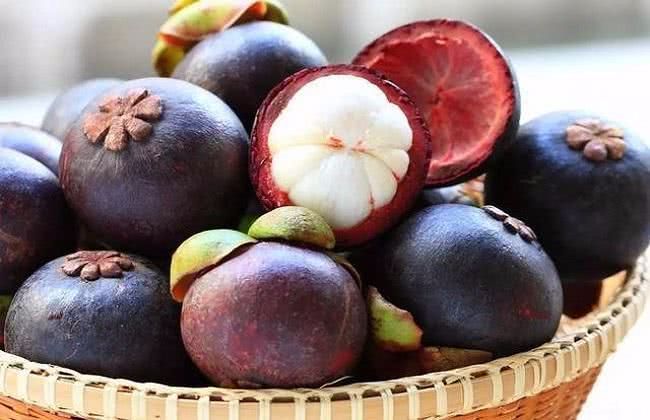
Mangosteen costs 35 yuan per jin. Don't throw away the seeds after eating; plant them in a flower pot. Even if they don't bear fruit, you can still enjoy the leaves.
The weather is getting colder and colder, and now the only way to keep warm is by eating! But the girl still has her heart set on losing weight, so after work she heads straight into the supermarket to buy some fruit to fill her stomach! Unfortunately, she spots her favorite mangosteen, and then looks at the price: 35...
-

How to prevent and control common mango pests and diseases? Detailed explanation of control methods
Control methods for common mango pests and diseases
-

Detailed Guide to Mango Seed Propagation Techniques to Help You Grow Strong Mango Seedlings
Mango Seed Propagation Techniques
-

-

Methods and Technical Points for Preserving Flowers and Fruits in Mango
Methods for Preserving Flowers and Fruits in Mango
-

How do you prune a mango tree? A detailed explanation of the key techniques
Mango tree pruning techniques
-

Introduction to the Red Golden Mango Jujube Variety and Its Fruit Characteristics
According to Xinhua News Agency, the Henan Academy of Forestry Sciences, on the basis of extensively collecting late-ripening jujube resources in China, has bred a winter jujube variety representing the current highest level of winter jujube in China -- the Red Golden Mango winter jujube. According to the head of the Agroforestry Office of the Henan Academy of Forestry Sciences, the winter jujubes currently promoted in production in China include Zaozhuang winter jujube, Chengwu winter jujube, Daxue jujube, Zhanhua winter jujube, and others. Some of these winter jujube varieties are of very poor quality, with seriously lignified flesh, and some varieties bear fruit late and have slightly poorer high-yield performance. The Red Golden Mango bred this time by Henan Province
-
Detailed Explanation of the Processing Method and Production Steps of Licorice Mango
It is made from salted mango blanks as the raw material, through desalting, soaking in seasoning, and sun-drying or oven-drying. (1) Process flow: salted mango blanks → desalting → drying → ingredient mixing → pickling → drying → finished product → packaging. (2) Key operating points: ① Desalting and drying: Soak the salted mango blanks in clean water to desalt, with a soaking time of about 6-8h, until the salt content is about 5%, then scoop them out and drain, sun-dry or use a dryer to dry to a semi-dry state, in preparation for soaking in the seasoning. ② Ingredients: 100kg mango blanks, 3kg licorice, 10kg granulated sugar, 45g sodium saccharin,
-
What is licorice mango? An introduction to the characteristics of licorice mango
This product is similar to preserved mango (huamang); besides its sweet, salty, sour and aromatic flavors, it also has the sweetness of licorice, and in terms of spices it also uses spices from Chinese herbal medicine. So in taste and flavor it attracts consumers even more than preserved mango. 1. Raw material processing: Soak the mango fruit base in a large amount of clean water to desalt it, so that the salt content of the fruit base is 1-2%, that is, it is fine if it is slightly salty. After desalting, drain off the water, put it into a drying room at 60-70°C and dry until half dry, then remove it and prepare to soak it in the seasoning liquid. 2. Preparation of the seasoning liquid: Based on 50 kg of salted mango fruit base, use
条件筛选