-
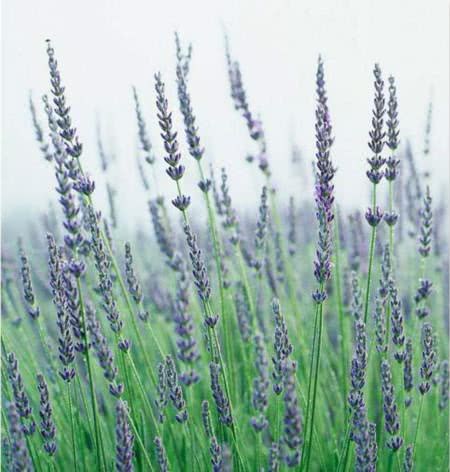
The Complete Guide to Lavender Varieties: Discover a Different Kind of Purple
Lavender (Lavandula) is a plant in the mint family, Lamiaceae, native to the low-rainfall regions along the Mediterranean coast. Most of the commonly cultivated species come from southern Europe and the Mediterranean region, and lavender is also distributed in the Canary Islands in the northern Atlantic, North Africa, and southwestern Asia...
-
A Complete Guide to Spring Planting Methods for Cherry Trees
Cherry planting is generally done in spring after the soil thaws and before the saplings bud, mostly from mid-to-late March to early-to-mid April, planted close to the time before budding. When planting, pay attention to the following two points: 1. Selection and treatment of saplings. Before planting, select robust saplings with plump buds, well-developed root systems, and no pests or diseases. Then soak the saplings...
-
A complete guide to the basics of southern rice black-streaked dwarf disease
Rice seedling rot is the collective term for seed rot, bud rot and dead seedlings that occur at the seedling stage. Rice seedling rot can be divided into two types: physiological and infectious. Physiological seedling rot is mainly caused by low temperatures and mistakes or poor management practices in the seedling nursery; infectious seedling rot is caused by pathogen infection, and the main diseases include rice cottony rot, rice putrefactive disease and rice...
-
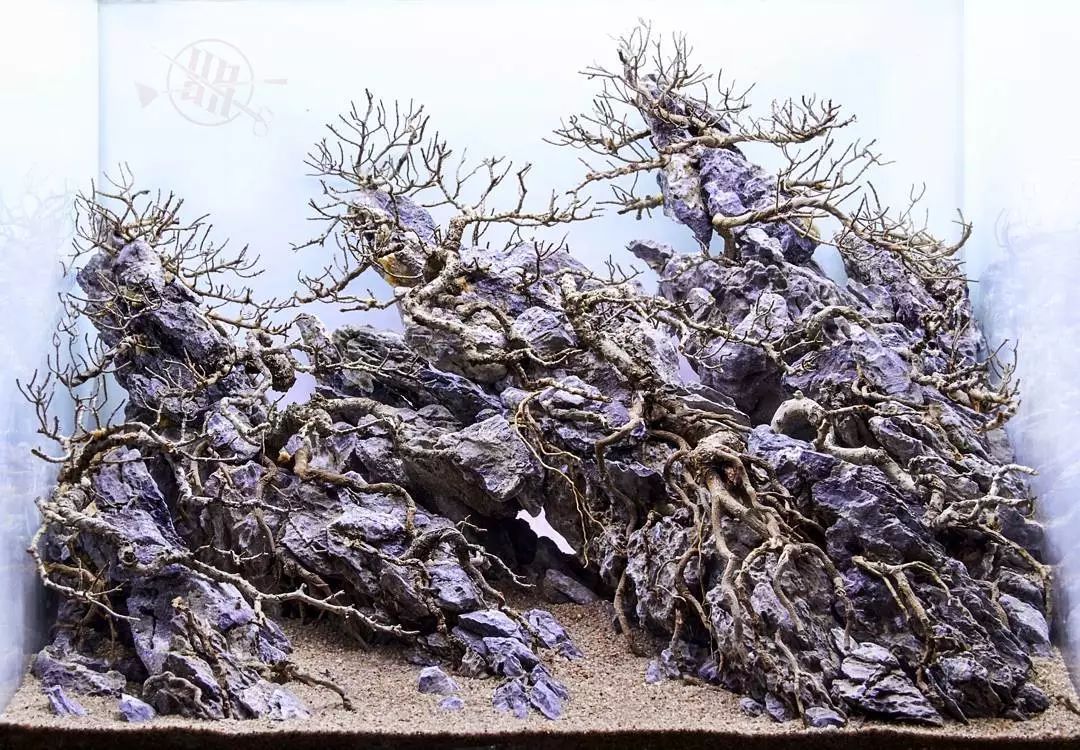
Over a hundred landscape skeleton designs, there is always one you will like
There is a surprise here too Do you like this article? Share it right away so more people can know! This site is rich in content, extensive...
-

A Complete Guide to Fertilization Techniques and Key Points for Chestnut Orchards
Chestnut blight, also known as chestnut canker, trunk blight, or chestnut bark disease, is a major disease of chestnut trees. It mainly affects the trunk and main branches, often causing the trunk and main branches to rot until the entire tree dies. The chestnut blight pathogen mainly overwinters in diseased branches as mycelium, pycnidia, and perithecia, while conidia and ascosp...
-
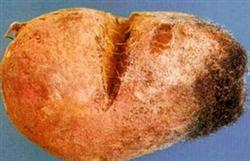
Sweet potato fertilization has its subtleties: keep these four points in mind
1. Harvest at the right time and avoid mechanical damage. Summer sweet potatoes should be fully harvested around Frost's Descent, and autumn sweet potatoes before the Start of Winter. Choose a sunny day for harvesting, and when digging the tubers, minimize or avoid causing wounds. 2. Select healthy tubers carefully to ensure safe storage in the cellar. Before the sweet potatoes go into the cellar, select them carefully, discard diseased, damaged and rotten tubers, let the moisture dry off, then store...
-

12 Common Problems with Succulents and a Complete Guide to Solving Them
12th? Foreword Qian Yan Love Succulents, Love Life (WeChat ID: duorou91) Reply "Community" and show off together with 200K succulent lovers! Reply "Beautiful Succulents," "Summer Survival, Watering, Leaf Propagation, Soil Mixing, Pest Removal, Black Rot" in the backend to view related...
-
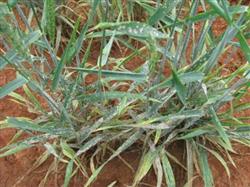
A Complete Analysis of the Harm and Control Measures of Wheat Powdery Mildew
The disease can attack all aboveground organs of the wheat plant, but mainly the leaves and leaf sheaths; in severe cases, the glumes and awns can also be affected. At the initial stage of the disease, white mildew spots of 1-2mm appear on the leaf surface, which then gradually expand into nearly circular to oval white mildew patches. The surface of the mildew patches has a layer of white powder that disperses immediately upon external force or vibration. This...
-
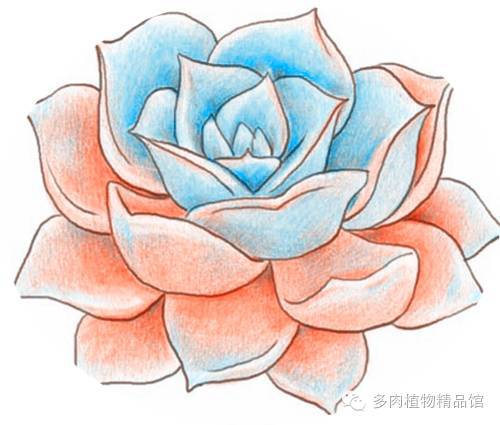
The method for repotting succulents is very simple, and can be completed in just a few easy steps
Text and photos: Qingmeng. When it comes to repotting succulents, gardening enthusiasts frown, fearing that the plant will not survive after repotting. Is it really true that succulents "die after repotting"? As long as the method is used correctly, no matter how many times you repot them, they can grow into a bursting pot! 1. First, loosen the soil in the original pot...
-
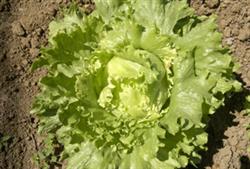
Key Field Management Techniques for Head Lettuce in Summer
First of all, pay attention to fertilizer and water management. Because summer temperatures are high, light is intense, ground evaporation is great, and crop transpiration is also high, frequent watering is needed in the early stage after transplanting to keep the soil moist. Entering the rainy season of July to August, after each heavy rain, drainage should be carried out promptly and cool water should be applied to lower the temperature, so as to protect the leaves. In the later stage of growth, water should be properly controlled, ...
条件筛选