-
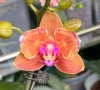
Is the Phalaenopsis Rome Lover worth getting? Here's how to save it after root rot
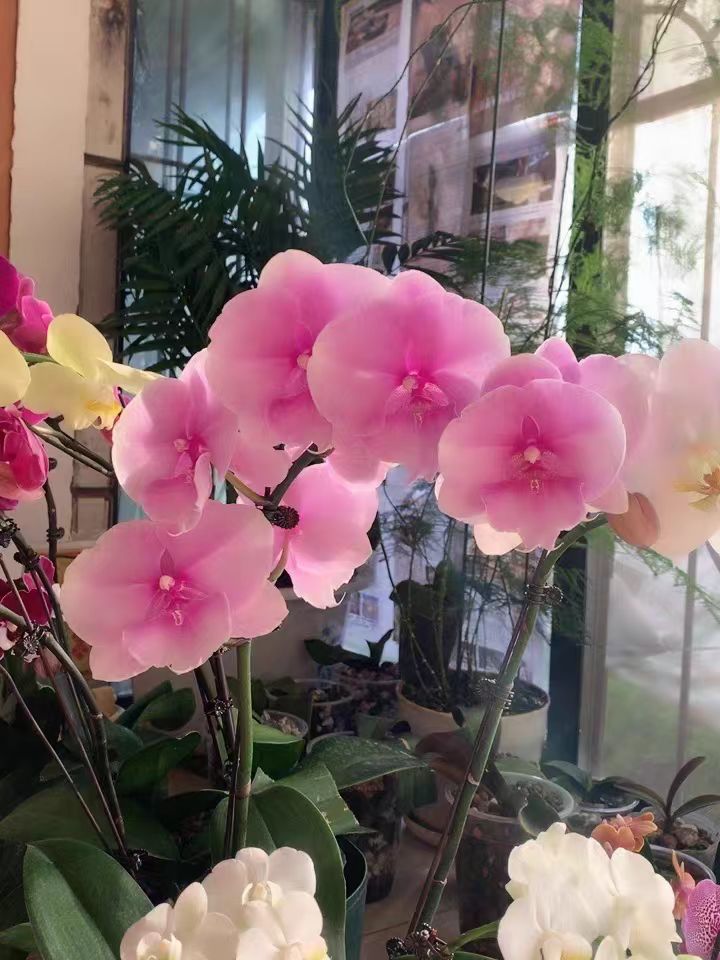
Today I'd like to introduce you to a fantastic Phalaenopsis variety, Rome Lover. Bred by Shiina, Phalaenopsis Rome Lover can be called the ceiling of beauty in the Phalaenopsis world. The bright orange petals are bold and striking, paired with the gentle accent of a rose-red lip; the collision of these two colors creates a sense of sophistication. Each flower measures a full 5cm across, and when in bloom they look like a flock of little butterflies,
-
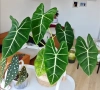
Why Houseplants Get Fungus Gnats and How to Fix It
The mysterious little black flies that appear around houseplants are scientifically known as "fungus gnats." Although they do not bite people, the adults reproduce quickly and the larvae feed on root systems, posing a serious threat to plant health. To get rid of them completely, you have to tackle the root cause and combine prevention with treatment. Causes of fungus gnats: 1. The pot is too large, so after watering the center area is slow to evaporate moisture, and the roots are prone to oxygen deprivation and rot
-
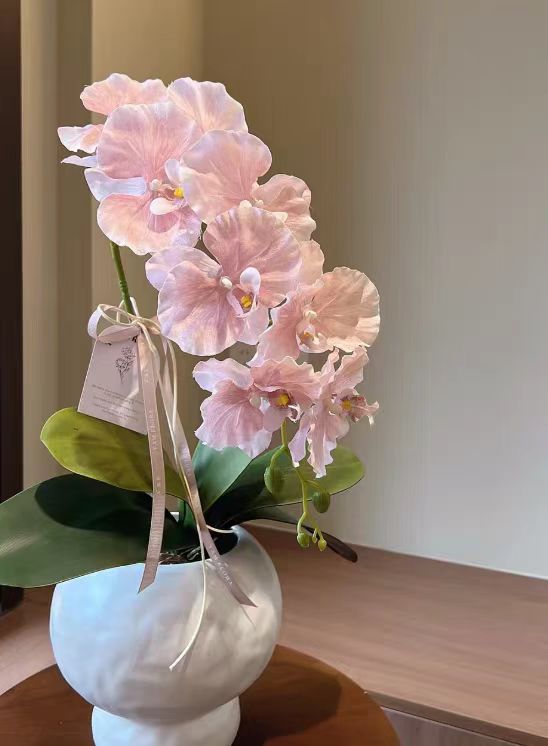
How to Separate Phalaenopsis Side Shoots?
The emergence of side shoots in phalaenopsis (moth orchids) indicates strong vitality. Properly separating these shoots not only prevents excessive nutrient
-

How to Separate and Cut Off Phalaenopsis Keikis
When a Phalaenopsis (moth orchid) grows keikis, it is a sign of vigorous vitality. Separating the keikis properly not only prevents excessive consumption of nutrients but also allows you to propagate new plants. However, improper separation can easily damage both the mother plant and the keiki, and may even lead to infection and rot. Mastering the scientific method of separating and cutting keikis is the key to successfully cultivating new plants.
-

Reasons Why Phalaenopsis Produces No New Roots and How to Fix It
Phalaenopsis, an orchid native to the tropics. However, sometimes we encounter the problem of a Phalaenopsis producing no new roots, which not only affects the health of the plant but may also lead to weak subsequent growth, difficulty blooming, gradual decline, and even death. Understanding the reasons behind this and taking effective measures is the key to saving the Phalaenopsis. Phalaenopsis
-
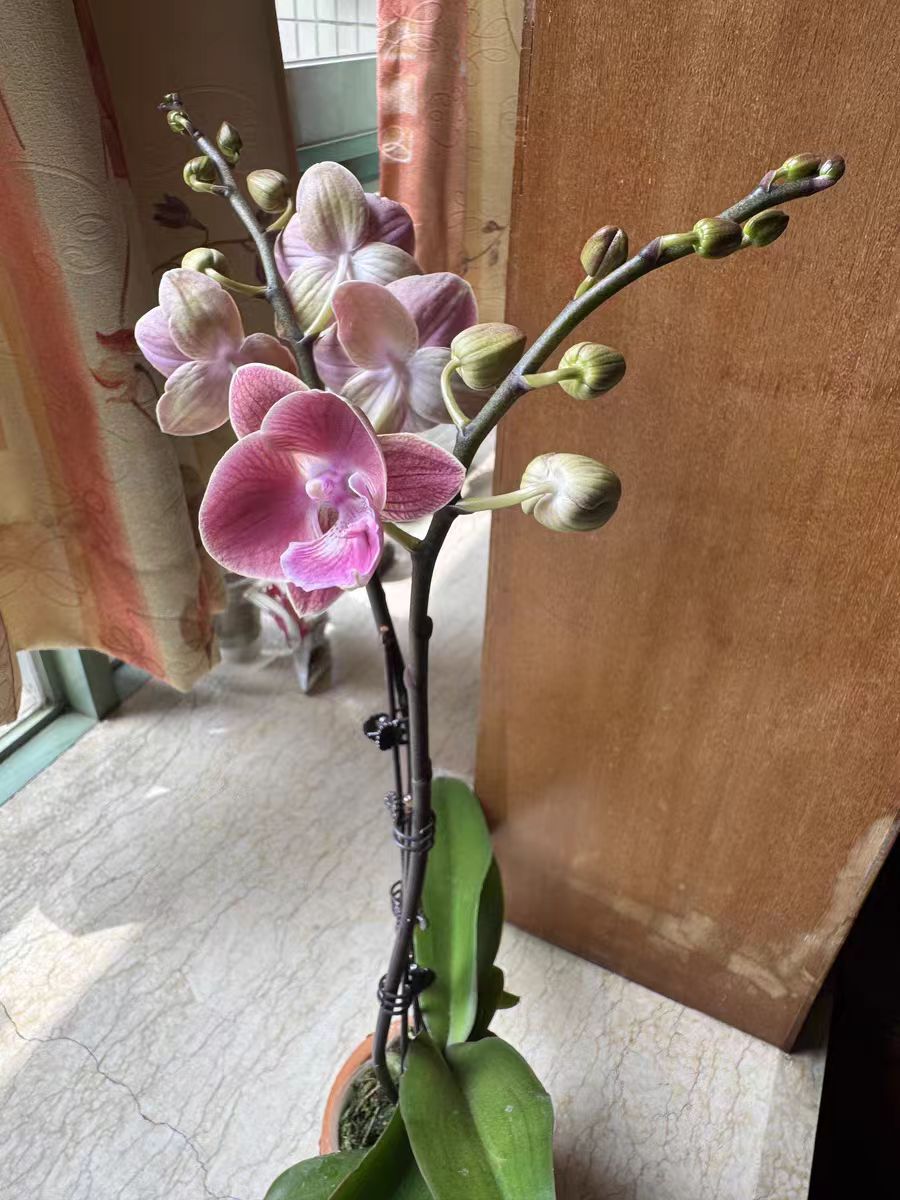
How to Judge the Quality of Phalaenopsis Planting Media?
In the process of caring for Phalaenopsis, the selection of planting media is of crucial importance as it directly affects the growth of the plant. To ensure
-
How often should Phalaenopsis orchids planted in bark be watered?
In the selection of cultivation substrates for Phalaenopsis orchids, bark has become the first choice for many flower lovers due to its good air permeability
-

How to judge the quality of Phalaenopsis potting medium and tips for handling mold
When growing Phalaenopsis, the choice of potting medium is crucial, as it directly affects the plant's growth. To help Phalaenopsis thrive, in addition to suitable light, temperature, and humidity conditions, a high-quality potting medium is equally indispensable. So, how do you judge whether a Phalaenopsis potting medium is good or bad? And what should you do if the potting medium becomes moldy?
-

Will Phalaenopsis Leaves Turn Yellow When Underwatered? How to Tell If It Needs Watering
Phalaenopsis stands out in the world of flowers and has become a favorite of many flower enthusiasts. However, during care, watering is a key challenge, and a single misstep can affect the plant's growth. So, will Phalaenopsis leaves turn yellow when underwatered? And how can you tell whether it needs watering? Phalaenopsis is rather particular about its water needs
-
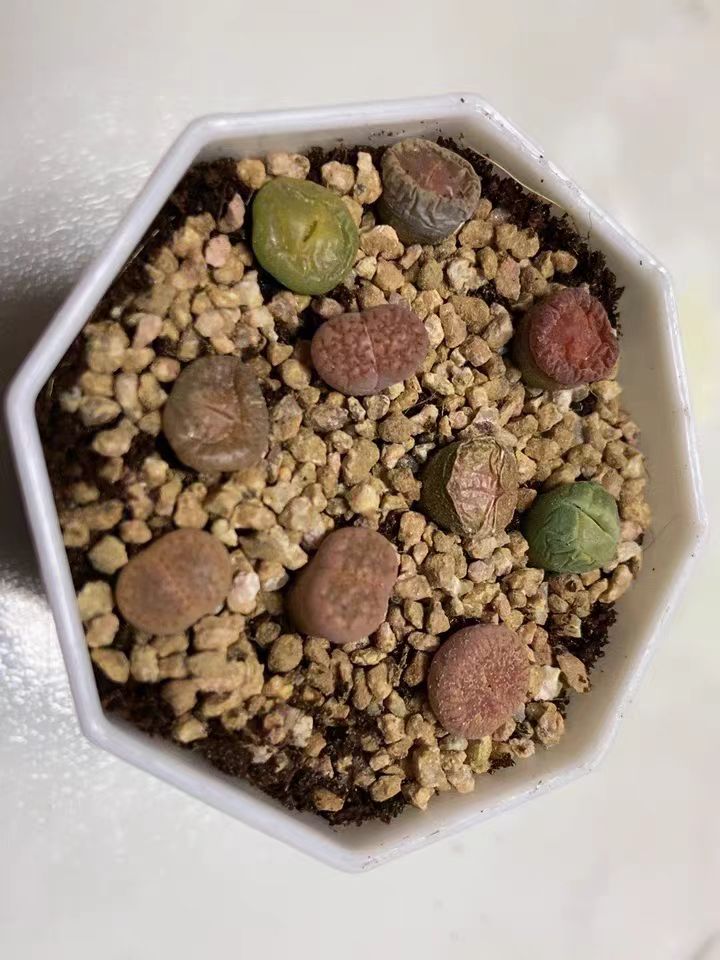
How to propagate Lithops succulents?
Lithops is a particularly interesting succulent plant. It looks like small pebbles, so people also call it "stone flower" or "butt flower". It has a unique
条件筛选