-

How to care for Phalaenopsis orchids in summer 40-degree high temperatures
As midsummer arrives and temperatures keep climbing to 40 degrees, Phalaenopsis orchids, being tropical epiphytic plants, love warmth and humidity but cannot tolerate high temperatures and strong light. If not managed properly, they are highly prone to problems such as leaf scorch, root rot, and stunted growth. 1. Shade protection. Phalaenopsis orchids like diffused light; direct strong light will cause the breakdown of chlorophyll in the leaves.
-

What is the sphagnum moss used for growing Phalaenopsis orchids made of, and how long can it retain water?
Many flower lovers who are just starting to grow Phalaenopsis orchids take one look at the pot full of white, sponge-like stuff and can't help asking: "What exactly is this sphagnum moss made of? If I use it to grow Phalaenopsis, how long can one watering actually last?" Actually, sphagnum moss comes from a type of moss plant called peat moss! This peat moss is really amazing,
-

Can Phalaenopsis seedlings be repotted? How soon after repotting should they be fertilized?
A flower enthusiast asked: can a newly acquired Phalaenopsis seedling be repotted right away? And after repotting, when should it be fertilized? For beginners, the care of Phalaenopsis, especially the repotting and fertilizing of new seedlings, is a key step that requires extra attention. If your Phalaenopsis seedling was bought from a flower market or online, just after arriving home
-

Which plants are commonly attacked by spider mites, and how can they be prevented?
The most annoying thing about growing flowers is spider mites! Although these little bugs look like just a few small red dots to the naked eye, they are ruthless when they chew on leaves. Within a few days, the leaves turn sickly yellow and are covered with spider webs. As for which plants are easily plagued by spider mites, roses, hydrangeas, clematis, chrysanthemums and jasmine are all hard-hit areas. Roses: Ros
-
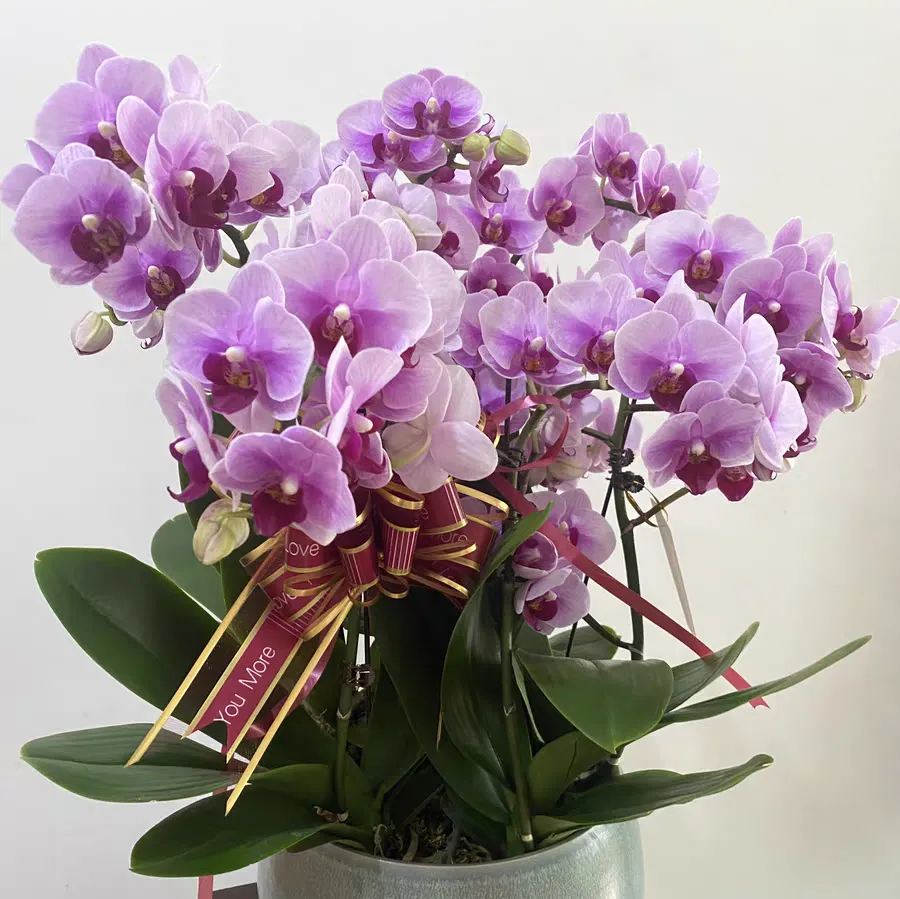
How to Deal with Phalaenopsis Orchids in 40℃ High Temperature
As the midsummer arrives and temperatures continue to rise to 40°C, Phalaenopsis orchids, as tropical epiphytic plants, prefer warm and humid environments but
-
When a Phalaenopsis (moth orchid) stalls and won't grow a flower spike, this is how to handle it so it returns to normal
Phalaenopsis stalled and not growing a flower spike? You probably just haven't used the right method. Try these flower-forcing tips and the flower spikes will shoot up fast. 1. The temperature difference principle: a day-night temperature difference of over 10°C, such as 20-25°C during the day and 10-15°C at night, can trigger the flower bud differentiation mechanism of Phalaenopsis. Method: In heated rooms in the north: at night, place the pot
-

How do you acclimate and care for a newly arrived mail-order Phalaenopsis seedling?
Today I will show you how to keep a newly acquired Phalaenopsis from dying due to improper acclimation, so even beginners can handle it with ease. After receiving your Phalaenopsis, the first task is a thorough inspection: 1. A healthy Phalaenopsis root system should be plump, light green or white, resilient, and free of blackened or mushy areas. If you find localized rot, you need to
-

Reasons why tomato fruits expand slowly and how to solve them
Tomato fruits grown at home that expand slowly and stay on the small side are usually caused by a combination of factors such as variety, nutrition, environment, and management. Today let's talk about the reasons and the solutions, so even beginners can master them easily! 1. Reasons Variety-related: blindly introducing varieties that are not suited to the local climate and soil conditions, such as in high-temperature, rainy
-

How do you tell good orchid bark from bad, and how often should it be replaced?
Anyone who grows Phalaenopsis orchids knows that bark is the little home of a Phalaenopsis, and whether the bark is good or not directly affects the orchid's condition. So how do you judge whether the bark used for Phalaenopsis is good or bad, and how often is it best to replace this bark? The first thing to do when you get your bark is to smell it. Good bark has no pungent odor
-
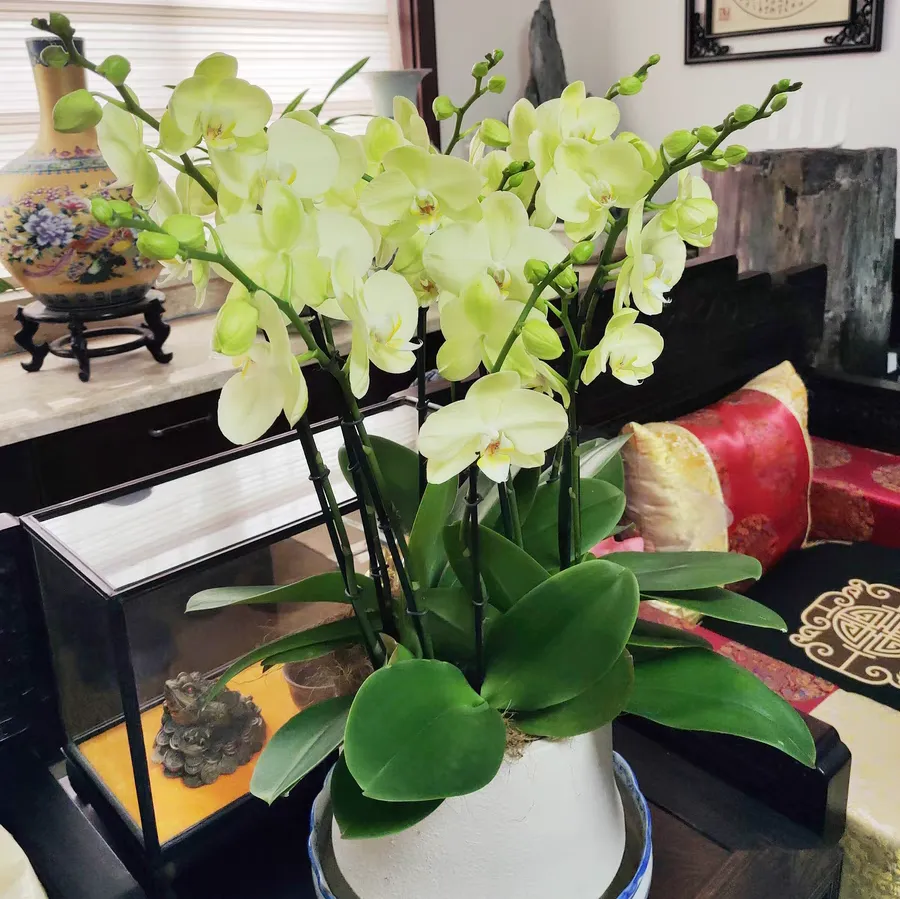
How to Acclimate Online-Purchased Phalaenopsis Orchids
Today, let's learn how to prevent newly purchased Phalaenopsis orchids from withering due to improper acclimation – even beginners can master these tips with
条件筛选