-
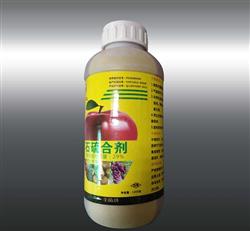
What are the precautions for using lime sulfur mixture?
Which diseases can lime sulfur mixture control? What should be noted when applying lime sulfur mixture? What are the precautions for using lime sulfur mixture? The following brief introduction is provided by Gengzhongbang Planting Network for netizens' reference. Lime sulfur mixture kills pests, diseases and eggs by penetrating and corroding the bodies of pathogens and pests. It is a...
-
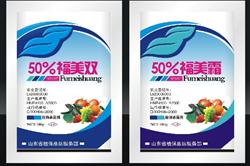
What are the three certificates for pesticides? A detailed explanation of their specific contents in one article
What are the three certificates for pesticides? Which three certificates are the three certificates for pesticides? The following simple introduction is provided by Gengzhongbang Planting Network for netizens' reference. The "three certificates" for pesticides refer to the pesticide production license or pesticide production approval document, pesticide standards, and pesticide registration certificate. The "three certificates" are issued on a product-by-product basis, that is, each pesticide product...
-
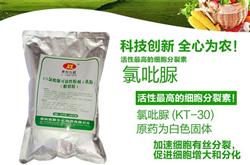
What is forchlorfenuron? A detailed explanation of this plant growth regulator
What effects and functions does forchlorfenuron have? What are the results of applying forchlorfenuron? What are the benefits of using forchlorfenuron? The following brief introduction is provided by Gengzhongbang Planting Network for netizens' reference. Forchlorfenuron, also called chlorfenuron, is a plant growth regulator. It is widely used in agriculture, horticulture and fruit trees, promoting...
-
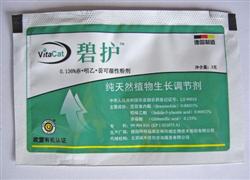
What methods are there for removing herbicide residues?
What methods are there for removing herbicide residues? Which pesticides can solve the problem of herbicide residues? I ask fellow netizens who know about this to help explain. Some functional plant nutrient agents can effectively relieve the phytotoxicity caused by herbicide residues and promote growth. 1. "Bihu": "Bihu" comes from plant seeds, is not artificially synthesized but processed by physical methods...
-
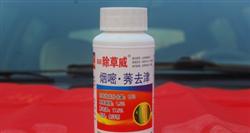
What are the soil-applied pre-emergence herbicide methods for corn fields?
What are the main weeds in corn fields? What are the soil-applied pre-emergence herbicide methods for corn fields? We would also like experienced growers to help explain. The main weeds in corn fields include crabgrass, goosegrass, foxtail, redroot pigweed, goosefoot, copperleaf, and field bindweed, among other monocot and dicot weeds. Of these, crabgrass and goosegrass are the most common. Because corn...
-
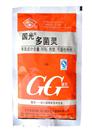
How to use carbendazim for the best results? A detailed guide to the correct usage
How should carbendazim be used well? What diseases can carbendazim control? How can it be used for the best results? Please provide guidance. Carbendazim belongs to the benzimidazole class and is a highly effective, low-toxicity systemic fungicide. Because it has obvious acropetal translocation properties, in addition to foliar spraying, it is also often used for seed dressing and soil drenching; as a broad-spectrum systemic...
-
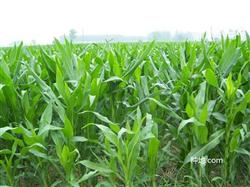
How to use herbicides in cornfields for good results
How should herbicides be used in cornfields? Which weeding methods can be used in cornfields? Experienced netizens are also asked to help explain. With the continuous development of the breeding industry, the demand for corn is also increasing day by day, corn planting has gradually entered large-scale production, and weed control techniques in cornfields have also become diversified. Therefore, Zhongdiwang has compiled...
-
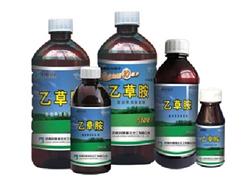
Can acetochlor be used for weed control in cotton fields?
Can acetochlor be used for weed control in cotton fields? What should be noted when spraying acetochlor in cotton fields? We also ask netizens who have used it to help explain. Acetochlor is a widely used herbicide, one of the most important herbicide varieties in the world today, and also one of the herbicides with the largest usage volume in our country at present. Acetochlor is effective against crabgrass,...
-
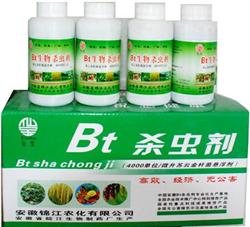
What are the precautions for applying biological pesticides?
What should be noted when applying biological pesticides? How can biological pesticides improve their efficacy? Experienced netizens are also asked to help explain. Biological pesticides refer to formulations that use living organisms (fungi, bacteria, insect viruses, genetically modified organisms, natural enemies, etc.) or their metabolites to kill or inhibit agricultural pests,...
-
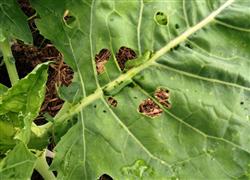
What are the specific insecticides for diamondback moth? Several highly effective pesticides recommended
What harm does the diamondback moth cause? What are the specific insecticides for diamondback moth? We ask knowledgeable readers to help explain. The diamondback moth is also called the small green worm or two-pointed tip, and is a worldwide migratory pest. The diamondback moth mainly harms vegetable plants such as cabbage, red cabbage, broccoli, bolting mustard, mustard, cauliflower, napa cabbage, rapeseed, radish, and more, so...
条件筛选