-

Giant Octopus Appears Again, Revealing Its Ferocious Face
For octopus enthusiasts, these days are absolutely worth celebrating! Recently, researchers just released footage they had taken of the giant squid (Architeuthis) glowing in the deep sea (see February 27 issue of Science Times, page A2, "Deep-Sea Squid 'Comes to the Surface'"), and now people have captured the first live specimen of an adult giant octopus (Mesonychoteuthis). According to an online report in the American journal Science, a fishing vessel operating in the waters south of New Zealand recently caught
-
What to Do When the Surface of Oyster Mushroom Substrate Turns Black? Cause Analysis and Control Methods
The main causes of blackening on the substrate surface and the control methods are: (1) Oyster mushroom mycelium soaked in water for a long time causes rot and blackening. In this case, the condensation water on the substrate surface should be absorbed and dried promptly. If it is grown on beds, excess water at the bottom should also be absorbed and dried promptly. (2) Contamination by foreign microorganisms and breeding of insect pests cause blackening. When blackening occurs, pests must be controlled or the affected part dug out promptly to prevent it from spreading.
-
Scraping the mushroom bed surface of oyster mushrooms can increase mushroom weight
After two harvests of oyster mushrooms, the bed surface often becomes severely dry and compacted, with poor air and water permeability, and the mycelium becomes senescent and weak, which delays the fruiting time, reduces mushroom yield, and may even result in no mushrooms at all. Scraping the bed surface can effectively solve this problem and produce a very good yield increase. The method for scraping the bed surface is: for a severely compacted bed surface with an overly thick mycelial skin, scrape off a thin layer of the aged mycelial skin over the entire surface. For a slightly compacted bed surface with a relatively thick mycelial skin, use a wire to scratch many small crisscrossing grooves until the mycelium is exposed. For ridge-bed cultivation,
-
How to prevent fish from gasping at the surface? A detailed guide to practical and effective measures
Discharge an appropriate amount of pond water and add fresh water; the suitable time for adding water is around 2-3 p.m. Use aerators reasonably, stop fertilizing, and control fish feeding. Splash quicklime water in small amounts several times to adjust the pH of the water body. Use chlorine dioxide twice in succession to disinfect the water body; before disinfection, an appropriate amount of oxygen enhancer and microecological preparations may be applied.
-
How to judge the severity of fish gasping at the surface
To judge the severity of fish gasping at the surface, the main criteria are the time when the fish begin to gasp, the location of the gasping, the size of the water surface area where they gasp, and the species of fish gasping. 1. Dark gasping. This generally occurs when it is already daylight but the sun has not yet risen; the fish move about on the water surface in the center of the pond and on the upwind side, and bursts of splashing water can be seen. At this time the dissolved oxygen content of the pond water is 2-3 mg/L, which is normal gasping. 2. Light gasping. This mostly occurs at dawn; the fish are on the water surface in the center of the pond and on the upwind side, while wild trash fish gasp at the pond edge.
-
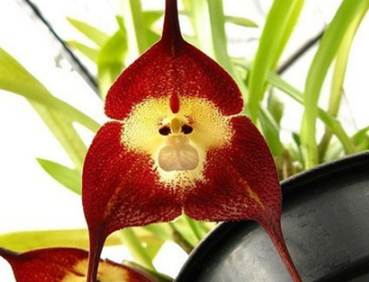
Monkey Face Orchid (Dracula simia) Growing Methods and Main Value
The Monkey Face Orchid, also called the monkey-faced orchid, is another masterpiece of nature's uncanny workmanship. It not only resembles our senior brother Sun Wukong, but also has a faint floral fragrance, making people really want to get a pot and admire it every day! Monkey Face Orchid Growing Methods Monkey Face Orchid
-
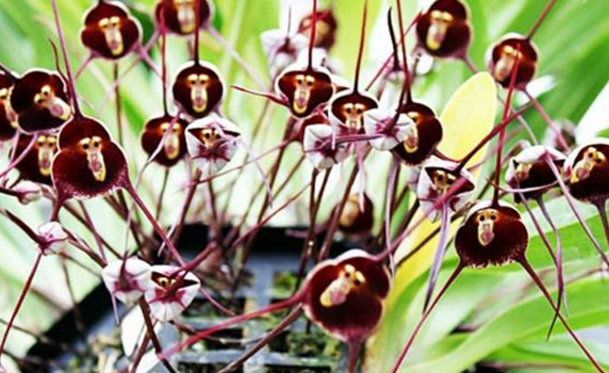
Monkey Face Orchid Division Precautions and Common Pest Control Methods
There are four propagation methods for the Monkey Face Orchid: seed sowing, division, tissue culture, and sterile propagation. Tissue culture and sterile propagation have somewhat higher requirements, so ordinary hobbyists do not use them, and seed sowing takes a long time to wait, so what hobbyists commonly use is the division method
-
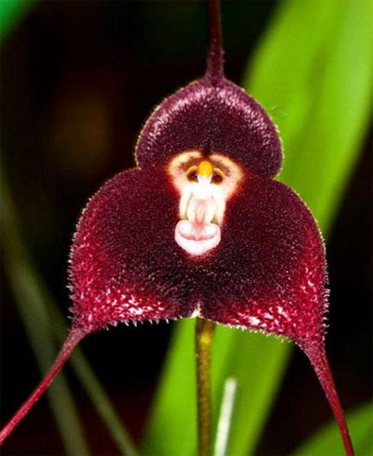
Monkey Face Orchid Care Guide and Propagation, Price Explained
The Monkey Face Orchid really does look like a monkey, complete with a monkey's tail. Keeping one at home is like having a mischievous little animal in the house. So what are the care and propagation methods for the Monkey Face Orchid? And how much does it cost? Monkey Face Orchid care: choosing the potting mix
-
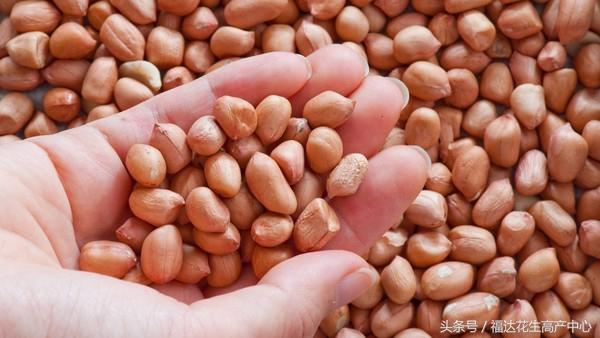
Peanut supply accumulated considerably in the earlier period, peanut oil mills face heavy purchasing pressure and have adjusted prices again
Considerable peanut supply accumulated in the earlier period, peanut oil mills face relatively heavy purchasing pressure and have once again adjusted their purchasing prices
-

Face reading and palmistry can reveal whether you will get rich from a windfall or through hard work
A windfall or wealth through hard work - face reading and palmistry reveal how you will make your fortune!
条件筛选