-
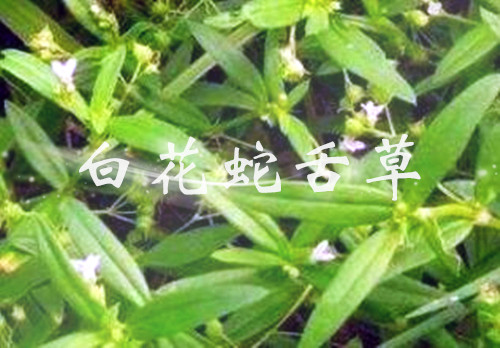
What exactly are the medicinal effects of Oldenlandia diffusa (white flower snake-tongue grass), and can it really treat stomach problems?
Friends who grew up in the countryside have probably all picked Oldenlandia diffusa along the edges of paddy fields. Every summer vacation, many children would go pick it to sell for money. So what exactly are the medicinal effects of Oldenlandia diffusa? Can it really treat stomach problems? What are its specific medicinal effects?
-
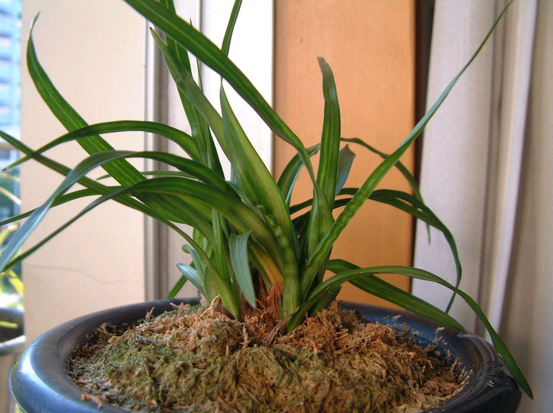
Where exactly do the reasons orchids fail to bloom lie?
Orchids fail to bloom mainly due to the following reasons: 1. Improper watering and fertilizing. Orchids have fleshy roots; if watered excessively and the potting medium stays wet for a long time, root rot and yellow leaves are easily caused; but if watered too little and the potting medium becomes too dry, the pseudobulbs are easily shriveled or other tissues are affected in their metabolism due to water loss, which also leads to weakened tissues
-
How Exactly Is Murcott Grown? A Full Breakdown of the Key Technical Points
Murcott is a late-maturing citrus variety, originally from the Miami Agricultural Experiment Station in Florida, USA. It was developed by hybridizing a mandarin with a sweet orange, and in the 1970s it was introduced from the U...
-

What exactly makes dental implants so remarkable?
A good set of teeth not only satisfies people's appetite for food, but also concerns everyone's quality of life and physical health. In recent years, a dental restoration method called "dental implants"...
-

What variety exactly is Xinliuqing soybean?
Xinliuqing is an early-to-mid-maturing vegetable edamame. This variety has a plant height of 70 cm, a determinate pod-setting habit, 14 nodes on the main stem, about 2 effective branches, and ovate leaves. Each plant averages 35 pods, mostly three-seeded pods; the 100-fresh-seed weight is 73-80 g, and the usual yield is 800-1000 kg of fresh pods per mu. The fresh pods have thin skins and are green in color, with large, plump seeds that cook easily and taste sweet and delicious, and are highly favored by Japanese traders and consumers. Along the south bank of the Yangtze River, this variety can be sown from March to mid-June, and can be marketed successively from early July. It is suitable for planting on plots with good soil, water and fertilizer conditions, and generally
-
How much exactly does planting affect the flowering period?
The flowering time of campanula is also closely related to the planting time. Campanula likes a cool environment, so planting in spring or autumn is most suitable. But different planting times lead to earlier or later flowering. Under natural conditions (open-field planting), if sown in January or February with a suitable environment, campanula will grow to full size by summer.
条件筛选