-

Why do old Phalaenopsis (moth orchid) plants need repotting, and can they survive without it?
Anyone who grows Phalaenopsis knows that after a year or two the plant becomes an old specimen: the leaves are no longer so perky and it blooms less. At this point some people say "it's time to repot," while others think "leave it alone, what if moving it kills it?" So why do old plants really need repotting? Can they truly not survive without it? Why do old plants have to move house? The
-

Can Sphagnum Moss Kill Phalaenopsis Orchids If Too Wet? Learn the Correct Way to Handle It
Friends who grow Phalaenopsis orchids have probably all run into this situation: you excitedly buy sphagnum moss, thinking it's definitely the right choice for growing them, but less than two weeks later the leaves turn yellow, the roots turn black, and the once-healthy plant just wilts away - nine times out of ten it's caused by the sphagnum moss being too wet. Actually, the roots of Phalaenopsis orchids aren't ordinary soil-grown roots; they're those plump
-
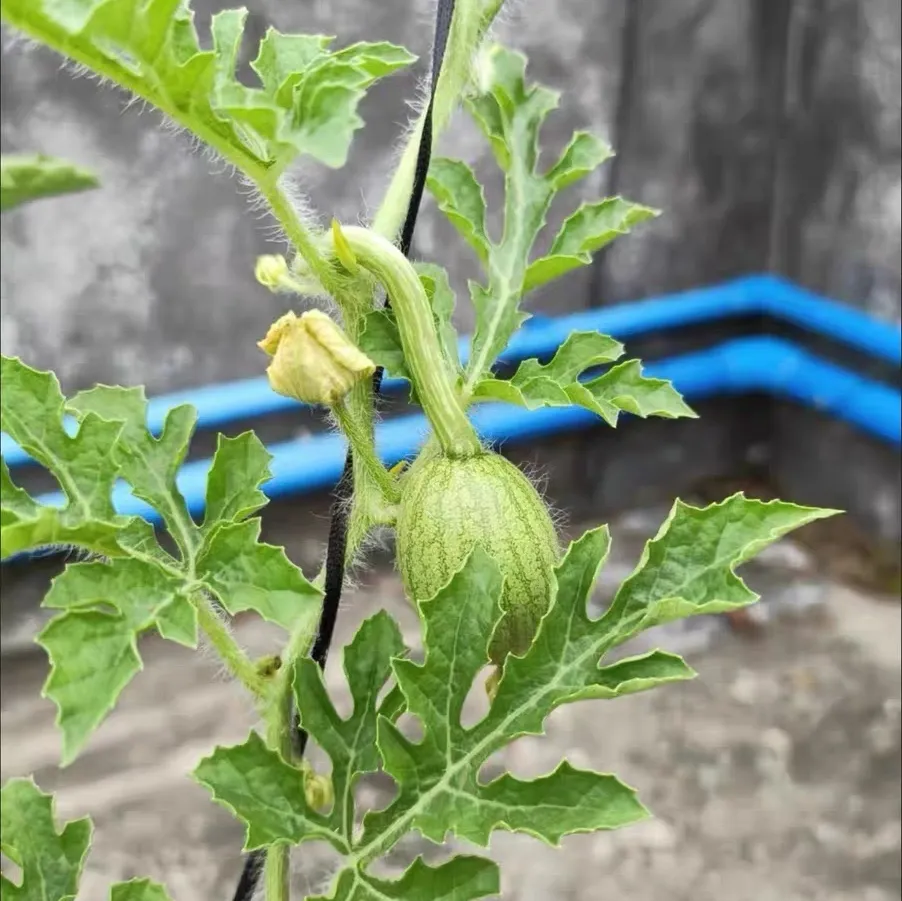
How to fertilize and water cherry tomatoes after they bloom
After cherry tomatoes enter the flowering stage, water and fertilizer management is a crucial factor affecting the quality of subsequent fruiting. ### Watering
-

How high should the water level be for hydroponic Phalaenopsis, and how should the water be changed?
Friends who have grown potted Phalaenopsis have probably also thought about trying hydroponic care, because it looks simpler, and when placed in the living room, water-grown plants always give a more elegant feeling. So for hydroponic Phalaenopsis, what level should the water be controlled to? And how should its roots be protected later during water culture? The method is actually
-

What plants are suitable for sandy soil, and can sand be added to flower potting soil?
There is a saying in gardening: "To grow flowers, first grow the roots; to grow the roots, first grow the soil." This means that to grow flowers well, you must first nourish the roots well, and for good roots, the soil at the base must be chosen well. Different flowers and plants have different soil requirements; some like soil containing humus, while others like granular soil. Today
-

What is the best pot for Phalaenopsis, and what are the suitable temperature and light?
If you want to grow the stunningly beautiful "Phalaenopsis" well, you certainly can't do without caring for it every day, and the key to brilliant blooming is healthy roots, and healthy roots mean you have to learn how to choose the medium. Why do I say that? Because Phalaenopsis is not an ordinary flower; it is native to the tropical rainforest, and it itself is most afraid of non-breathable garden soil. If
-
Reasons for Water Vapor Appearing on Phalaenopsis Orchid Pots and How to Fix It
Water vapor appearing on a Phalaenopsis orchid pot is often a sign that something is off in the plant's growing environment, and if not addressed in time, it can affect its health. 1. Main causes of water vapor in the pot and their effects. 1. Watering. Phalaenopsis is an epiphytic plant, and its roots need a loose, breathable environment (such as sphagnum moss or bark substrate). If watering frequency
-
What disease causes watermelon leaves to turn white? Causes and pesticide control methods
Gardeners growing watermelons, pay attention! White leaves are no small problem. Different symptoms correspond to different causes, and if you get it wrong, you may make things worse the more you try to fix it! Today I will explain how to diagnose it and how to solve it, so check your plants against this right away. Symptoms of white leaves 1. Leaves covered in "white powder" The most typical sign is the appearance on the leaves of
-
Care and Fertilization Methods for Cherry Tomatoes After Fruit Set
Once cherry tomatoes have set fruit, it is not all smooth sailing. If you want plenty of sweet fruit and a continued harvest afterward, pruning, fertilizing, and disease prevention are all indispensable! Today I will explain the specific steps in detail. Post-fruit pruning: pruning promptly after fruit set not only reduces wasted nutrients but also helps new branches grow stronger. Remember these 3
-

Causes of Stem Rot in Phalaenopsis Orchids and How to Fix It
What do Phalaenopsis growers fear most? Many would probably say "stem rot" - a perfectly healthy plant suddenly develops rot in the stem, the leaves start to wilt along with it, and it's too late to save. Why do Phalaenopsis orchids get stem rot? In fact, this problem is closely tied to our plant-care habits, and the most common cause is too much water. The stem of a Phalaenopsis is like a "water pipe
条件筛选