-

How do you care for a potted yesterday-today-and-tomorrow plant, and which country's national flower is it?
An evergreen shrub from South America, after it blooms its flowers change with anthocyanin concentration, gradually shifting from deep purple to pure white, just like a painter's palette, overall very changeable, and it can be said to have conquered countless gardening enthusiasts. The protagonist mentioned above is named "yesterday-today-and-tomorrow" (Brunfelsia pauciflora), and it is the national flower of Paraguay.
-

A Complete Analysis of the Conditions for Flower Bud Differentiation and the Flowering Mechanism of Phalaenopsis
Many flower lovers bring a Phalaenopsis home and, in less than a week, the plant starts showing yellow leaves, gets waterlogged, or simply dies. In fact, this orchid is completely different from ordinary flowering plants, mainly because its roots are fleshy roots, which are relatively sensitive. If you do not understand its characteristics, you may not be able to grow it well.
-
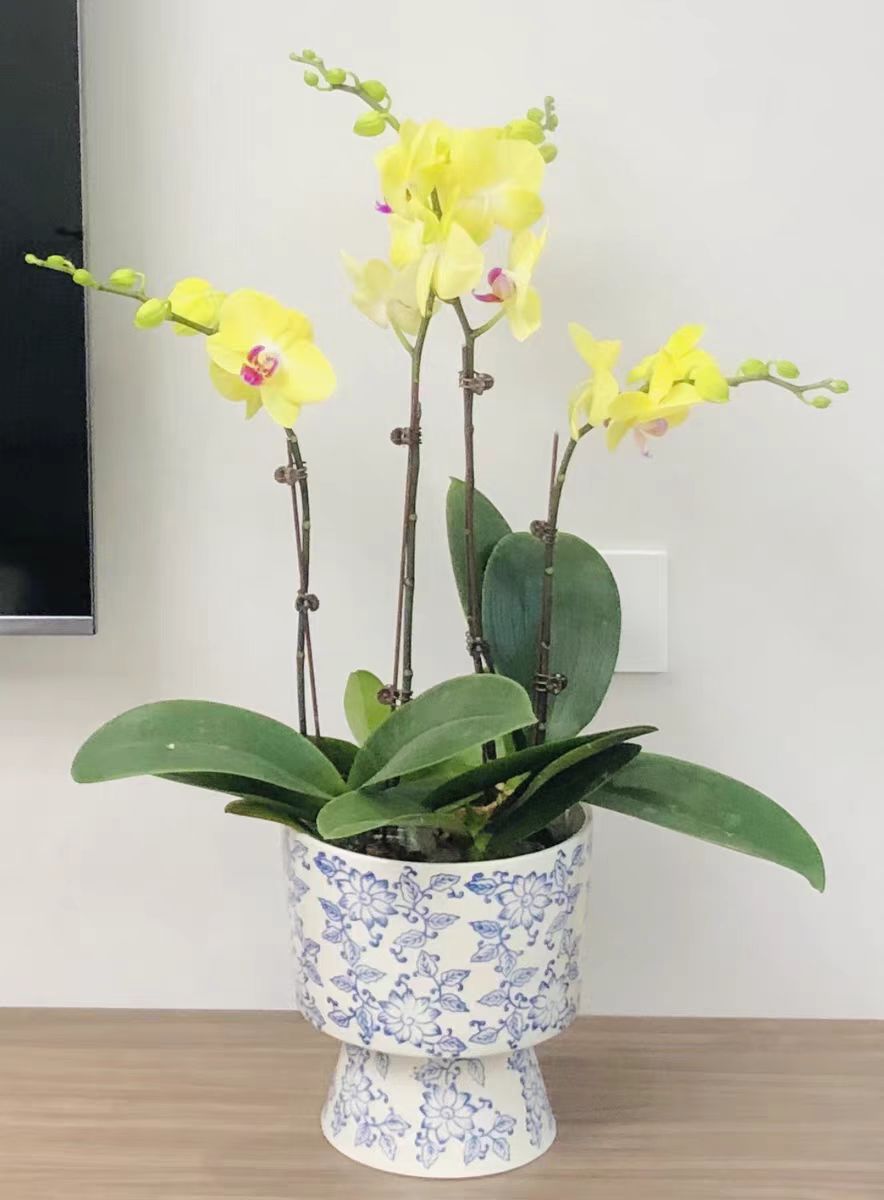
What to Do When Phalaenopsis Suffers from Waterlogging and Root Rot?
As a tropical orchid, Phalaenopsis often encounters the troublesome issue of waterlogging and root rot during the maintenance process. The following will
-

The Benefits and Effects of Houttuynia cordata, Plus How to Grow It and What to Watch Out For
Today we introduce a herb that has been passed down for thousands of years in the world of Chinese herbal medicine: Houttuynia cordata. Its taste is pungent and its nature is cold, and it is rich in a variety of active compounds, with multiple benefits such as clearing heat and detoxifying, relieving pain and draining pus, and promoting urination to reduce swelling. Modern people can pick it and use it as a food ingredient in cold salads, stewed soups and other dishes, but note that Houttuynia cordata has many benefits
-

Marigold vs French Marigold: Which Is More Worth Buying and How to Tell Them Apart
The world is so big that nothing is too strange, and look-alikes are not just a human thing; plants are the same, especially evergreens and flowering plants, which can leave people completely unable to tell them apart. Among them, marigold and French marigold are so similar that even experienced gardeners cannot distinguish them at a glance. So how do you tell them apart and avoid being fooled by the vendor at the flower stall? The reason marigold and French marigold
-

What do Phalaenopsis leaves look like, and what are they good for?
As the undisputed "star" of the Chinese New Year flower market, the Phalaenopsis is loved by gardening enthusiasts for its elegant flower form and long blooming period. Many of you have surely brought one home to care for it carefully. However, most people, while admiring its enchanting flowers, overlook the leaves of the Phalaenopsis. In fact, its leaves are not only
-

What is the difference between growing Phalaenopsis orchids indoors and outdoors?
The Phalaenopsis orchid (moth orchid), being a tropical plant, has high requirements for its growing environment. It is neither cold-tolerant nor heat-tolerant, and it has special needs when it comes to light, humidity and other conditions. Therefore, there are clear differences between growing Phalaenopsis indoors and outdoors. The suitable growing temperature for Phalaenopsis is between 18 and 28°C, and in winter it should not go below 15°C.
-

Why Are Phalaenopsis Leaves Splitting, and Should Split Leaves Be Cut Off?
During the care of Phalaenopsis orchids, many people run into the problem of split leaves, which not only affects the plant's appearance but also worries the grower. So what exactly causes Phalaenopsis leaves to split? And once the leaves have split, should we cut them off? Causes of split Phalaenopsis leaves: dry air
-

Is the nerve plant easy to keep alive? Learn about the benefits and uses of the nerve plant in one article
The nerve plant (Fittonia), a small and delicate ornamental plant whose leaves are covered with a unique network of veins, is favored by many plant lovers because of its appearance and relatively easy care. For friends who want to add a touch of green at home but worry about the difficulty of care, the nerve plant is undoubtedly a good choice. The nerve plant's
-

What are the aliases and floral symbolism of Lespedeza?
Known in Japan as "giu," this autumn spirit also appears prominently in China's classical text "Jiu Huang Ben Cao" (Famine Relief Materia Medica) -- what we have been describing is Lespedeza. As a treasure among leguminous plants, it not only served as a famine-relief food and high-quality fodder for ancient people due to its high protein content, but in modern times its seeds can be pressed for high-end
条件筛选