-

How to tell real fertilizer from fake? A few practical methods
Identifying from the packaging: First, check the markings. A fertilizer packaging bag must indicate the product name, nutrient content, grade, trademark, net weight, standard code, factory name...
-
What are the common misconceptions about chemical fertilizers? A correct understanding is crucial
Because of years of cultivation and years of chemical fertilizer use, the soil has become compacted and degraded, nutrients are imbalanced, water quality is polluted by eutrophication, and crop quality has declined,...
-
Today's Fertilizer Prices and Latest Trends
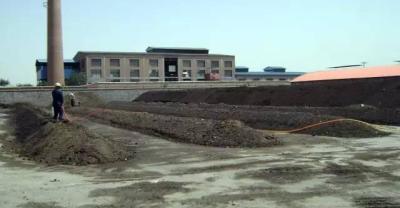
Urea: Prices Slide in Many Regions This week the urea market saw weak trading, with prices falling in many regions. Few enterprises cut production for maintenance, and the urea operating rate basically stayed above 60%. According to stat...
-
What are the dangers of using chicken manure as fertilizer? Farmers should know this in advance
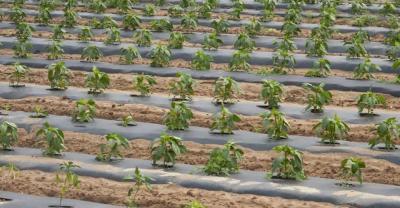
[Introduction] Once upon a time, chicken manure was the obvious choice for organic fertilizer thanks to its rich nutrient content, but in recent years various problems caused by applying chicken manure have been found...
-

What are the precautions for applying trace element fertilizers?
Precautions for applying trace element fertilizers
-
How to make foliar fertilizer? 15 simple methods shared
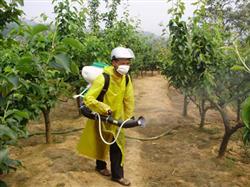
Foliar spraying, also called nutrient spraying outside the roots, is a fertilization measure that cannot be ignored in fruit tree production. This method saves labor and effort, and takes effect quickly with a high utilization rate; within 24 hours, 80% of the sprayed fertilizer can be absorbed. Spraying apple, pear, hawthorn and other fruit trees during the flowering period can increase the fruit-setting rate, and spraying the leaves and fruit during the growth period...
-
What precautions should be taken when mixing foliar fertilizers with pesticides?
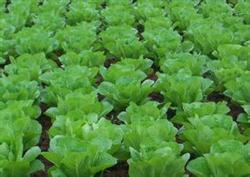
1. Choose foliar fertilizers suited to the vegetable variety. For vegetables harvested mainly for their leaf heads, leaf rosettes, or young tender stems and leaves, choose foliar fertilizers rich in nitrogen; for vegetables harvested mainly for their fleshy roots and tubers, such as radishes and potatoes, choose foliar fertilizers rich in potassium. For those harvested for their fruits, pods, or beans...
-
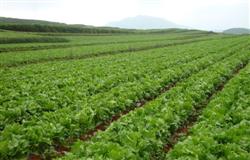
A Complete Guide to Composting Organic Fertilizer and Its Application Methods
Applying organic fertilizer in vegetable production can achieve the goal of continuously supplying various nutrient needs in the crop root zone, and can also gradually improve the organic matter and buffering capacity of vegetable garden soil, and can alleviate soil-borne diseases and continuous cropping obstacles in many important ways. Therefore, vegetable production has always valued the application of organic fertilizer. However...
-
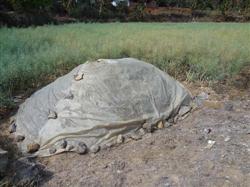
Why should chemical fertilizers and organic fertilizers be applied in combination?
Uncomposted organic fertilizer carries a large number of pathogenic microorganisms and parasitic roundworm eggs. After being applied to farmland, some of them attach to crops and cause direct contamination, while some enter the soil and cause indirect contamination. In addition, after uncomposted organic fertilizer is applied to the soil, it must undergo fermentation before it can be absorbed and used by crops,...
-
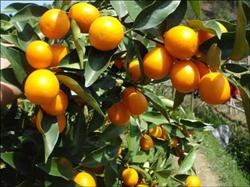
What are the commonly used types of organic fertilizer in fruit tree production?
Organic fertilizers, also known as farmyard manure, commonly used in fruit tree production include compost, pen manure, stable manure, green manure, cake fertilizer, river mud, poultry manure, human feces and urine, and miscellaneous soil manure. Most organic fertilizers need to be decomposed by microorganisms before they can be absorbed by the plant's root system, so they are also called "slow-release fertilizers" and can be applied as a base fertilizer...
条件筛选