-
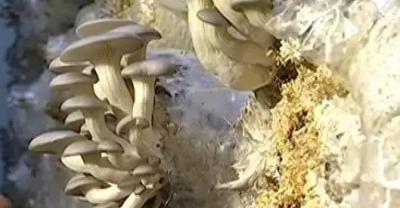
The secret of the edible fungi industry: scary from afar, keeps people around up close, and makes people successful when they step inside
Edible fungi from afar -> scares people to death; edible fungi up close -> keeps people around; edible fungi when you step inside -> makes people successful. Viewing edible fungi from afar -> feels like a myth; looking at edible fungi up close -> feels like the truth; using...
-

What edible mushrooms can be cultivated on sugarcane, and the uses of sugarcane bagasse for growing mushrooms
In Chengmai, Hainan, there is a company that grows edible mushrooms on sugarcane! "This is the oyster mushroom, crisp and fresh in taste, hailed as the finest of mushrooms," the company's manager...
-
What environmental conditions are needed for the growth of edible fungi?
Environmental Conditions for Edible Fungi The growth and development of edible fungi are controlled by both internal and external factors. The internal factors are determined by the edible fungi's own genetic laws, and are...
-
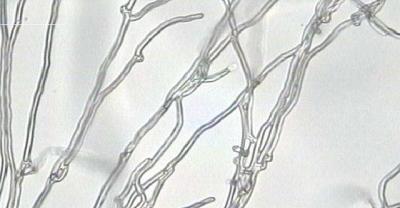
Identification and Control Methods for Non-pathogenic Diseases of Edible Fungi
II. Non-pathogenic diseases. Unsuitable living conditions, improper cultivation management measures, or genetic variation can all cause growth and development disorders and physiological disorders in edible fungi...
-
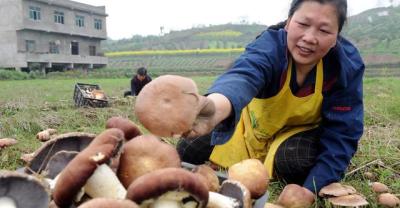
Mushroom Talks Part Two: Introducing the World of Fungi
The Morphological Structure of Edible Mushrooms We know that edible mushrooms are macrofungi, composed of two main parts: the mycelium and the fruiting body. Edible mushrooms rely on mycelium to absorb...
-
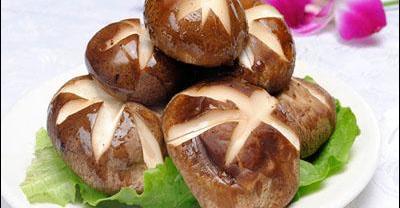
How to Grow Edible Mushrooms? A Detailed Guide to High-Yield Cultivation Techniques
The edible mushrooms currently cultivated on a large scale, such as oyster mushrooms, shiitake, enoki mushrooms, lion's mane mushrooms, wood ear, silver ear, and button mushrooms, can be roughly divided into the mycelium stage and the fruiting body...
-
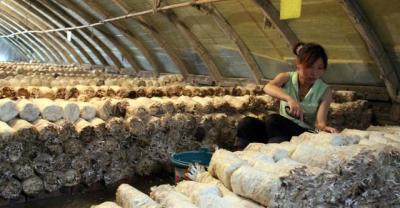
Mushroom Talk (Part 1): Understanding the Basics of Edible Fungi
When it comes to edible fungi, the mere mention of the term may make you think they are simply the shiitake mushrooms, enoki mushrooms, shaggy mane mushrooms, and so on that we eat. Actually, the requirements are not...
-

Detailed Explanation of High-Efficiency Cultivation Techniques for Straw Mushroom, Lecture 3
Straw Mushroom Bed Cultivation Techniques Straw mushroom shelf-bed cultivation is currently a commonly used cultivation method. Building shelves inside a house or shed not only makes full use of space and improves utilization, but also provides good moisture retention and insulation, is easy to manage, and gives high and stable yields. 1. Mushroom House Setup 1.1 Dedicated Mushroom House: For cultivating straw mushrooms, a dedicated straw mushroom house can be built. This mushroom house is suitable for year-round production. The mushroom house is 3-4m long, 2m wide, and 2.5m high. The four walls are lined with 1-2cm thick foam plastic boards,
-
Detailed Explanation of Key Points for High-Yield Cultivation Techniques of Straw Mushroom
1. Selecting good spawn is key. It is best to use a newly bred first-generation improved variety; varieties that have been subcultured too many times are prone to quality degeneration and yield decline. At the same time, avoid mixed cultivation of different types of straw mushroom spawn. 2. Properly handle the growing substrate. The main growing substrate for cultivating straw mushroom is rice straw. To improve the quality of the growing substrate, when the rice straw is spread out to dry, it can be beaten with sticks or rolled with stone rollers, pressing it repeatedly to make the rice straw fine, loose, soft, and easy to absorb enough water, so that it can be pressed more firmly when building the bed, which is beneficial to fermentation. The rice straw is soaked in water. pile-fermented, and 1% lime
-
Detailed Explanation of New High-Yield and High-Efficiency Cultivation Techniques for Straw Mushroom
Straw mushroom, also known as orchid mushroom, delicious bract-foot mushroom, Chinese mushroom, and Nanhua mushroom. It is a thermophilic and hygrophilic straw-textured saprophytic fungus that grows in summer on grasses such as rice straw and other Gramineae grasses, or on fibrous waste such as cotton and hemp. Straw mushroom is delicious, nutritious, and has good health-care effects. It is cold in nature and sweet in taste, has the function of relieving summer heat and removing fever, and has effects such as strengthening the body and bones, protecting the liver and strengthening the stomach, promoting lactation, and detoxifying. Eating straw mushroom regularly can increase the body's resistance and accelerate wound healing. It can also reduce cholesterol accumulation and lower blood pressure. Therefore, straw mushroom has always been favored by consumers
条件筛选