-
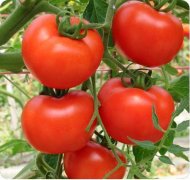
How many types of tomato fruit cracking are there? Remedies for fruit cracking in large and small tomatoes
Tomato fruit cracking: how to remedy it? Do you want to know? If so, then let's take a look together! The phenomenon of tomato fruit cracking can be divided into four types: radial cracking, concentric cracking, compound radial and concentric cracking, and irregular side cracking. A. Choose varieties
-
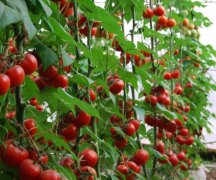
Tomato Growing Methods and Tips: Why the Bottom Turns Black and Planting Precautions
How should tomatoes be grown? Why does the bottom of a tomato turn black? What are the planting precautions and tips? Want to find out? Then let's take a look together! Tomato Growing Methods The tomato, which is both a vegetable and a fruit, is a produce many people love, and it has an extremely large number of varieties, so here is a brief
-
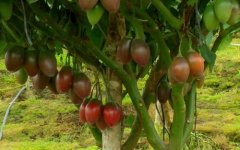
What are the characteristics of the tree tomato, and how do the best varieties taste?
Do you know what the tomato that is not a tomato is? It is the tree tomato. What does the tree tomato look like, and what characteristics does it have? Let's take a look! The tree tomato is a perennial evergreen woody plant in the Solanaceae family (Cyphomandra genus), in the same family as the tomato (Solanum genus) but a different genus. It originated in the Andes Mountains of South America. The plant can reach 5 m in height, with a straight trunk and fast growth. Seedlings bear fruit in about 2 years, and the plant can live for more than ten years. The flesh is firmer than that of the tomato, and the flavor is sweet-sour with a slight passion fruit taste. Besides being eaten fresh, it can also be used in place of tomato in cooking. The fruiting period is very long, with fruit for nearly nine months of the year. A three-year-old plant produces nearly 20 kg per year. The fruit is rich in vitamins and iron and can be grown all over Taiwan, China. This species is an economic variety introduced from New Zealand. The fruit is large and long-conical, weighing 60-75 grams, with orange-red skin and no spots. The flesh is firm and juicy, low in acidity and highly palatable, with extremely thin seeds that are easy to swallow, and a strong passion fruit flavor. Its quality far surpasses that of the traditional old variety. There is currently a small amount of commercial production in Taiwan, China
-
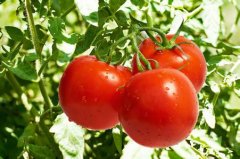
Tomato Growing Guide: Planting Methods, Variety Selection, and Troubleshooting
Tomatoes are a vegetable we often eat now, and they are available year-round on the market. Do you know how to grow them? If you want to learn, let's take a look together! How to Choose Tomatoes Choosing tomato varieties can be
-
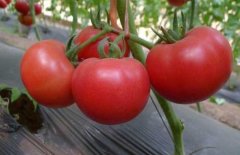
The History of Tomato Cultivation and How to Get Lycopene from Tomatoes and What It Does
Have you ever heard the story of the history of tomato cultivation? The most nutritious substance in tomatoes is lycopene, right? So how do you get lycopene from tomatoes? It is generally believed that the Peruvians were the first to cultivate tomatoes. From the 16th to the 17th century, when tomatoes had just been introduced to Europe (Spain), they were treated as food, but the part people ate at the time was not the fruit but the leaves. Because the toxins in tomato leaves poisoned those who ate them, tomatoes were regarded as an ornamental plant for a very long time. From the 18th century onward they began to be grown as a vegetable in Southern Europe.
-
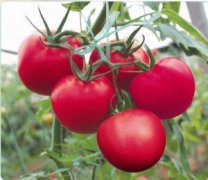
Which tomatoes have high lycopene content? Benefits of red tomatoes, cherry tomatoes, and Momotaro tomatoes
The benefits of tomatoes go beyond antioxidants; eating tomatoes helps lower the risk of high blood pressure and heart disease. Tomatoes are rich in antioxidants such as lycopene, which help reduce platelet activity, thereby reducing the occurrence of blood clots, heart disease, and stroke
条件筛选