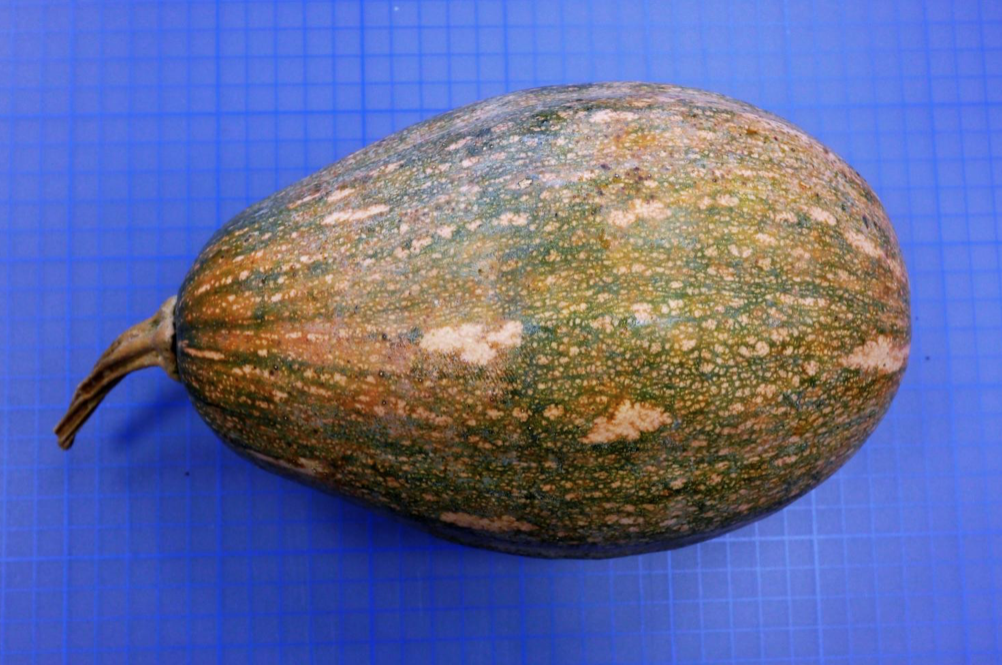
Introduction to the Characteristics and Yield of the Improved Pumpkin Varieties Huaya No. 1 Taishan and Huaya No. 2 Youwang
Do you know Tai Zao Hua Li pumpkin? Today we introduce two new pumpkin varieties, let's take a look! Because pumpkin virus diseases are becoming more and more serious, the Hualien District Agricultural Research and Extension Station and the Asian Vegetable Research and Development Center - World Vegetable Center officially began cooperating in the selection and observation trials of virus-resistant pumpkin lines in the 101st year of the Republic of China,
Tai Zao Hua Li pumpkin, do you know it? Today we introduce two new pumpkin varieties, let's take a look!
Because pumpkin virus diseases are becoming more and more serious, the Hualien District Agricultural Research and Extension Station and the Asian Vegetable Research and Development Center - World Vegetable Center officially began cooperating in the 101st year of the Republic of China on the selection and observation trials of virus-resistant pumpkin lines, using traditional backcross breeding to hybridize and introduce the disease resistance of African disease-resistant wild pumpkins into traditional papaya-type pumpkins, so that the new varieties have the flavor of local pumpkins and also possess the disease resistance of the African disease-resistant wild species.
Because pumpkin virus diseases are becoming more and more serious, the Hualien District Agricultural Research and Extension Station and the Asian Vegetable Research and Development Center - World Vegetable Center officially began cooperating in the 101st year of the Republic of China on the selection and observation trials of virus-resistant pumpkin lines, using traditional backcross breeding to hybridize and introduce the disease resistance of African disease-resistant wild pumpkins into traditional papaya-type pumpkins, so that the new varieties have the flavor of local pumpkins and also possess the disease resistance of the African disease-resistant wild species.
The first developed pumpkin "Hualien Asian Vegetable No. 1——Taishan" (Huaya No. 1) has resistance to zucchini yellow mosaic virus disease and cucumber mosaic virus disease. After trait verification, a plant variety right application was filed, and the variety right was finally approved in May of this year.
At the same time, the Hualien District Agricultural Research and Extension Station continued research and development using Huaya No. 1 as a parent to breed the first-generation hybrid variety "Hualien Asian Vegetable No. 2——Youwang" (Huaya No. 2). Trait verification was just completed this year, and it will be sent to the Agriculture and Food Agency to apply for plant variety rights. Huaya No. 2 has high yield and is also resistant to 2 kinds of viruses.
These two varieties can resist two kinds of viruses, reducing pesticide control, and are very suitable for organic and eco-friendly agriculture cultivation. After technology transfer, they are expected to go on the market next year.
Researchers at the Hualien District Agricultural Research and Extension Station said: Although traditional Chinese pumpkins are more heat-tolerant than Western pumpkins, because of virus disease problems, the planting period is also concentrated from October to February of the following year, so production is concentrated from February to May. Because prices are lower during the peak production season, when planting was delayed by 1 month this year to mid-March in the demonstration field of farmer Chen Defu, it could be seen that the virus resistance of Huaya No. 1 and Huaya No. 2 was better than that of the control varieties. Therefore, they can be planted in mid-March or even in April, and can be harvested from early July to mid-August when pumpkin prices are better.
As long as attention is paid to the control of Phytophthora disease during the plum rain season and the control of melon fruit flies during the flowering period, yield per hectare can reach more than 32 tons, while organic cultivation can reach more than 20 tons. Among them, Huaya No. 1 is suitable for technology transfer for use as a breeding parent by seedling companies, and the target for promotion of Huaya No. 2 is farmers. After technology transfer is completed, farmers can directly purchase seeds from the seedling company receiving the technology transfer.
Farmer Chen Defu said that when he learned at the beginning of this year that pumpkins were to be planted in mid-March for a trial, he used the field where tomatoes had been planted in the previous season to plant pumpkins, applied no basal fertilizer, and only added 10-15 grams of Taiwan Fertilizer No. 43 per plant at flowering. The improvement station came every 3 to 4 weeks to replace the melon fly attractant and kill melon flies, and pesticide was sprayed only 2 times during the plum rain season. The yield was very high and it was also very easy to manage.
The farmers participating in the field day responded very positively, and also thought that these two new varieties were delicious, and could also be planted in late spring, allowing harvest to begin in July when prices are higher. Their shapes are oval and pomelo-shaped, making them easier to pack than traditional papaya-type pumpkins, and it is believed that they can fetch a good price on the auction market.