Key points of Pleurotus pulmonarius cultivation: environmental control and fruiting management are the key
Pleurotus pulmonarius, commonly known as the Indian oyster mushroom or small oyster mushroom, is a close relative of the oyster mushroom. Its fruiting bodies are small and delicate, with thick, plump caps, tender flesh and a delicious flavor, making it very popular in the market. Its cultivation cycle is relatively short and it fruits uniformly, making it suitable for bag cultivation in greenhouses or idle buildings, and it is one of the fast-growing edible mushroom species in recent years.
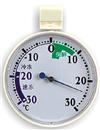
In cultivating Pleurotus pulmonarius, environmental control is fundamental. During the mycelial growth stage it prefers a warm, dark environment, with the temperature generally kept between 20 and 27°C, and no light is needed; after switching to the fruiting stage, appropriately widening the day-night temperature difference and providing scattered light stimulation helps primordia form. During fruiting, the relative humidity of the air should be kept above 85%, and ventilation should be noted, otherwise the mushroom stems tend to elongate and the caps become smaller, affecting market quality.
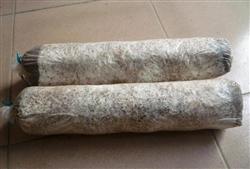
The substrate can be sourced locally, with cottonseed hulls, corncobs and sawdust all being common main ingredients, supplemented with bran, gypsum and other auxiliary materials for nutrition. When mixing the substrate, a moisture content of about 60% is appropriate; after mixing, it should be stacked for fermentation or bagged and sterilized, and once the substrate temperature drops, the spawn is inoculated under sterile conditions. During the spawn-running period, place the bags in a clean, light-proof, well-ventilated location to prevent high-temperature damage to the mycelium and contamination by competitor organisms; generally after several weeks the mycelium will have fully colonized the bags.
The management of the fruiting stage focuses on inducing pinning, growing the mushrooms and the flushes. After the mycelium is fully colonized, open the bag mouths to increase oxygen supply, and combine temperature difference and humidity stimulation to promote uniform pinning; when watering during the young mushroom growth period, spray lightly and finely to avoid water accumulating on the fruiting bodies and causing disease. Harvesting is best done when the cap edges are still incurved and spores have not yet been massively discharged, as quality is best at this time. After harvesting, clean the substrate surface, stop watering to rest the mycelium for a few days, then replenish water to induce pinning, and multiple flushes can be harvested continuously. In addition, keeping the site clean and preventing pests such as mushroom gnats and mushroom flies are also important guarantees for achieving stable yields.
Related reading