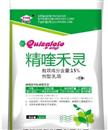
An Introduction to the Characteristics and Methods of Use of Quizalofop-p-ethyl Herbicide
Quizalofop-p-ethyl is a commonly used post-emergence selective herbicide, mainly used to control grass weeds, and belongs to the aryloxyphenoxypropionate class of compounds. It is absorbed through the stems and leaves of weeds and translocated to the meristematic tissue, inhibiting fatty acid synthesis within the plant, causing weed growth to be stunted and the weeds to gradually wither and die. Because it is relatively safe for broadleaf crops, it is often used for weed control in fields of dicotyledonous crops such as soybean, peanut, cotton and rapeseed.
In terms of the targets it controls, quizalofop-p-ethyl is quite effective against annual grass weeds such as crabgrass, barnyardgrass, foxtail and goosegrass, and also has a certain inhibitory effect on perennial weeds such as reed and bermudagrass. The application method is generally foliar spraying, and applying the herbicide after the weeds have emerged and are in a period of vigorous growth usually gives better results; when spraying, the droplets are required to evenly cover the weed leaves, avoiding double spraying or missed spraying.
When using it, attention should be paid to the weather and soil moisture; under drought and low-temperature conditions, the absorption capacity of weeds decreases and the efficacy may be affected; if rainfall occurs shortly after application, the control effect may also be reduced. In addition, grass crops such as rice, wheat and corn are relatively sensitive to this herbicide and it should not be used in fields of such crops; when spraying, care should also be taken to prevent the spray solution from drifting onto nearby sensitive crops.
Overall, the characteristics of quizalofop-p-ethyl are strong specificity, a weed-killing spectrum concentrated on grass weeds, and relative safety for broadleaf crops, making it a common choice for post-emergence weed control in broadleaf crop fields. In actual use, registration status differs among different crops and regions, so the appropriate dosage and method should be selected according to the product label, and personal protection should be done well to avoid polluting water sources and breeding areas.
Related Reading