Characteristics and Application Methods of Napropamide Herbicide
Napropamide is an amide-type selective pre-emergence soil-treatment herbicide, absorbed mainly through weed seedlings and roots, inhibiting their cell division and root growth so that weeds gradually die off at the germination stage. It gives good control of annual grass weeds such as crabgrass, barnyardgrass and foxtail, and also has some suppressive effect on certain broadleaf weeds.
Napropamide is characterized by being applied before weeds appear, mainly as a soil-sealing treatment; its efficacy requires the soil to retain a certain moisture level, so watering appropriately or shallow incorporation into the soil after application helps improve control. It has low volatility and a moderate residual period, and is relatively safe for most crops when used as directed. It is commonly used for weed control in tobacco, peanut, cotton, tomato, pepper, Chinese cabbage and orchard plots.
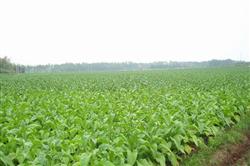
When using it, the solution is generally sprayed evenly over the soil surface after crop sowing but before seedling emergence, or after transplanting but before weeds emerge. The dosage must be adjusted flexibly according to soil texture, organic matter content and local climate, and the product label instructions should be followed specifically. For example, in tobacco fields it is mostly applied after transplanting and before weed germination, and care should be taken to avoid spraying the solution directly onto the young leaves at the heart of the seedlings.
It should be noted that napropamide has poor effect on adult weeds that have already emerged, and applying it too late can easily reduce its efficacy. Spraying should be avoided in windy weather to prevent the solution from drifting onto nearby sensitive crops; after use, clean the equipment promptly and store the chemical properly. If the same type of herbicide is used alone over a long period, it is advisable to rotate it with chemicals that have different mechanisms of action, in order to delay the development of weed resistance.
Related reading