Traditional Chinese medicine theory encompasses core ideas such as yin-yang and the five elements, along with the method of treatment based on syndrome differentiation
Traditional Chinese medicine theory is the theoretical foundation of Chinese medicine and pharmacy, and it is a body of knowledge gradually formed by traditional Chinese medicine through long-term clinical practice. Guided by a holistic concept, it emphasizes that the human body is an organic whole and is interconnected with the natural environment. The doctrines of yin-yang and the five elements, the viscera and meridians, and qi, blood and body fluids together constitute the basic framework of this theory.
In traditional Chinese medicine theory, the yin-yang doctrine is used to explain the unity of opposites in human physiology and pathology, while the five elements doctrine uses the generating and overcoming relationships of wood, fire, earth, metal and water to explain the connections among the viscera. The viscera and meridian doctrine describes the structural and functional systems of the human body, and the qi, blood and body fluids theory explains the basic substances of life activities. The section on causes and mechanisms of disease explores the causes and patterns of the occurrence and development of disease, providing a basis for diagnosis and treatment.
The prominent feature of traditional Chinese medicine theory is treatment based on syndrome differentiation, that is, summarizing syndrome types according to the patient's specific manifestations and then determining the corresponding treatment methods and prescriptions. This approach emphasizes adapting to the individual, the time and the place, and differs from a treatment approach that targets only the disease itself. In addition, the idea of treating disease before it arises also reflects the orientation of traditional Chinese medicine theory toward prevention and conditioning.
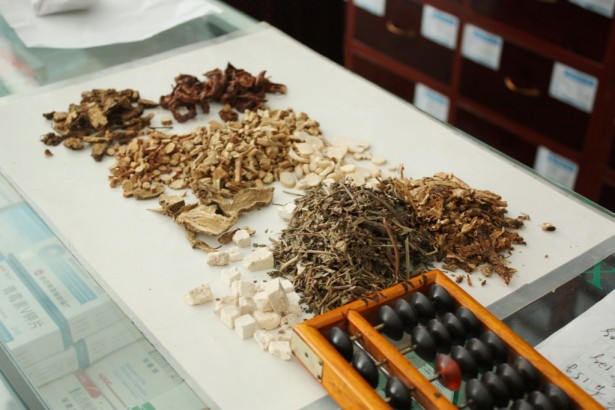
In practical application, traditional Chinese medicine theory broadly guides fields such as the combination of Chinese medicinals, acupuncture and tuina, and dietary therapy and health preservation. It should be noted that traditional Chinese medicine terminology does not fully correspond to modern medical concepts, and it should be understood in light of the specific context when studying. For ordinary readers, understanding traditional Chinese medicine theory helps in recognizing traditional health preservation concepts, but when it comes to the diagnosis and treatment of disease, a professional physician should still be consulted.
Related Reading